
Beautiful Plants For Your Interior
Beautiful Plants For Your Interior
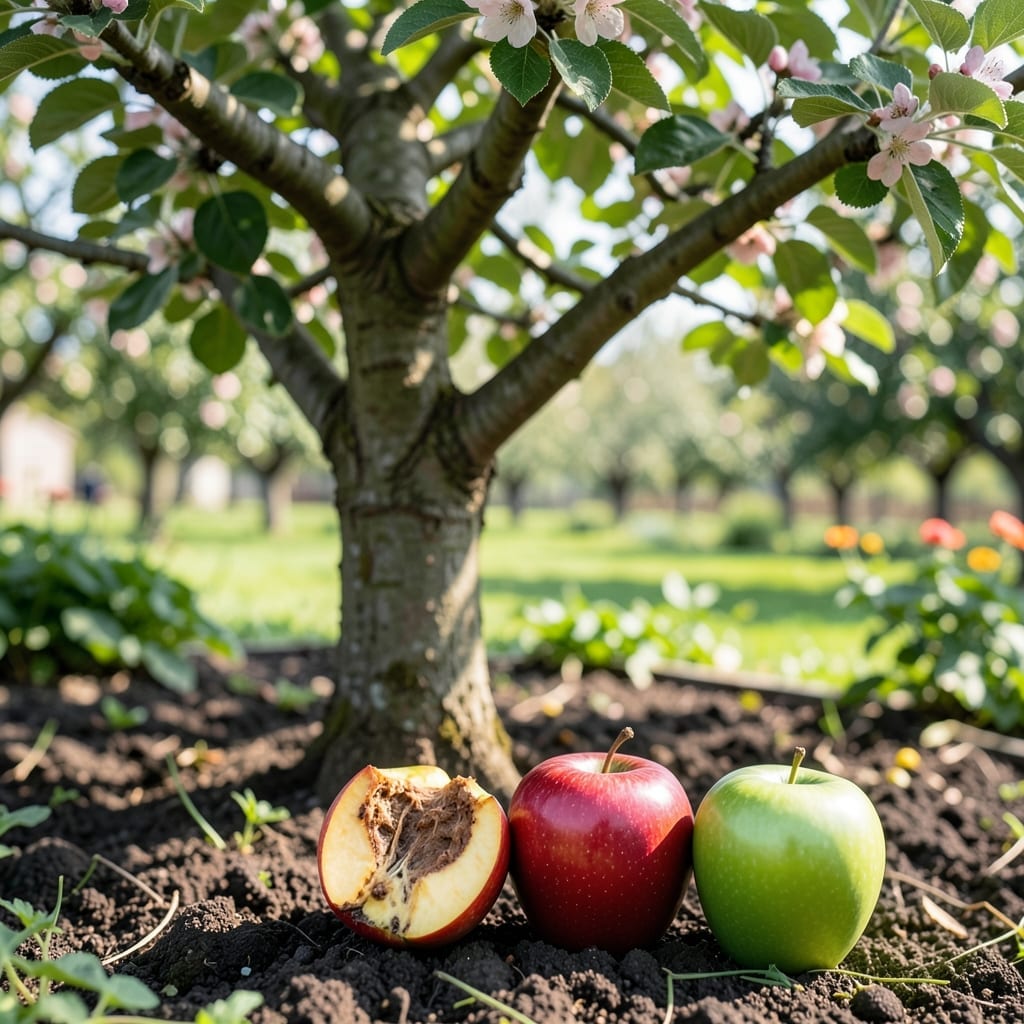
Nothing ruins apple harvests faster than finding rot at the core. I’ve lost entire crops to this silent destroyer, but there are ways to stop it before it starts.
Early signs are subtle—a slight browning inside the fruit, or soft spots that spread fast. The key is catching it before the rot turns your apples to mush and spreads through the tree.
Natural prevention works best: clean up fallen fruit, prune for airflow, and use organic sprays at the right time. These methods protect your harvest without harsh chemicals.
With the right approach, you can save your apples and keep your tree productive for years to come. Here’s how to fight back.
Apple core rot, also known as bitter rot or core rot disease, is a fungal issue that devastates fruit from the inside out. Here’s why it happens:
The primary culprits are Colletotrichum and Glomerella fungi, which thrive in warm, wet conditions. These pathogens enter the fruit through wounds, cracks, or even insect damage, colonizing the core and causing internal decay. Overripe or injured apples are especially vulnerable.
Prolonged rain, high humidity, or poor drainage create the perfect breeding ground for fungal spores. Standing water on fruit surfaces or in the soil encourages spore germination and infection. Orchards with dense canopies—limiting airflow—are at higher risk.
Insects like apple maggots, codling moths, or fruit flies create entry points for fungi by boring into the fruit. Their tunnels provide direct access to the core, accelerating rot. Even minor punctures from birds or hail can invite infection.
Fallen fruit, decaying leaves, or unpruned branches harbor fungal spores year-round. Without proper cleanup, these pathogens persist, reinfecting new crops. Sanitation is critical to breaking the disease cycle.
Rapid shifts from hot days to cool nights stress apple trees, weakening their natural defenses. Fungi exploit this stress, particularly during late summer when fruit is maturing.
Addressing these root causes—through pruning, moisture control, and pest management—can significantly reduce core rot outbreaks.
Tackling apple core rot starts with addressing its root causes. Below are targeted solutions for common issues, paired with prevention tips to keep your harvest healthy.
If rot is caused by fungi like Monilinia or Botrytis, act fast:
Prevention: Thin fruit clusters to improve airflow and reduce humidity.
Insects like codling moths create entry points for rot. Combat them with:
Prevention: Wrap young apples in nylon bags to shield them from pests.
Waterlogged soil or poor airflow invites rot. Try these fixes:
Prevention: Space trees 15–20 feet apart to reduce crowding.
Weak trees are more susceptible. Strengthen them by:
Prevention: Fertilize in early spring and mid-summer for consistent vigor.
Remove affected apples immediately to prevent spores from spreading. If rot is localized, you can cut out the bad part and use the rest, but heavily infected fruit should be discarded.
Look for small brown spots on the skin or soft areas near the stem. Early rot often starts with a mushy core while the outside still looks fine. Inspect fruit regularly during wet weather.
Never compost diseased fruit—this spreads spores. Seal them in a bag and throw in the trash, or bury them 2 feet deep far from your garden. Clean up all fallen fruit weekly.
Yes, but they require more frequent application. Copper or sulfur sprays work well organically, but must be reapplied after rain. Always follow label instructions for best results.