
Beautiful Plants For Your Interior
Beautiful Plants For Your Interior
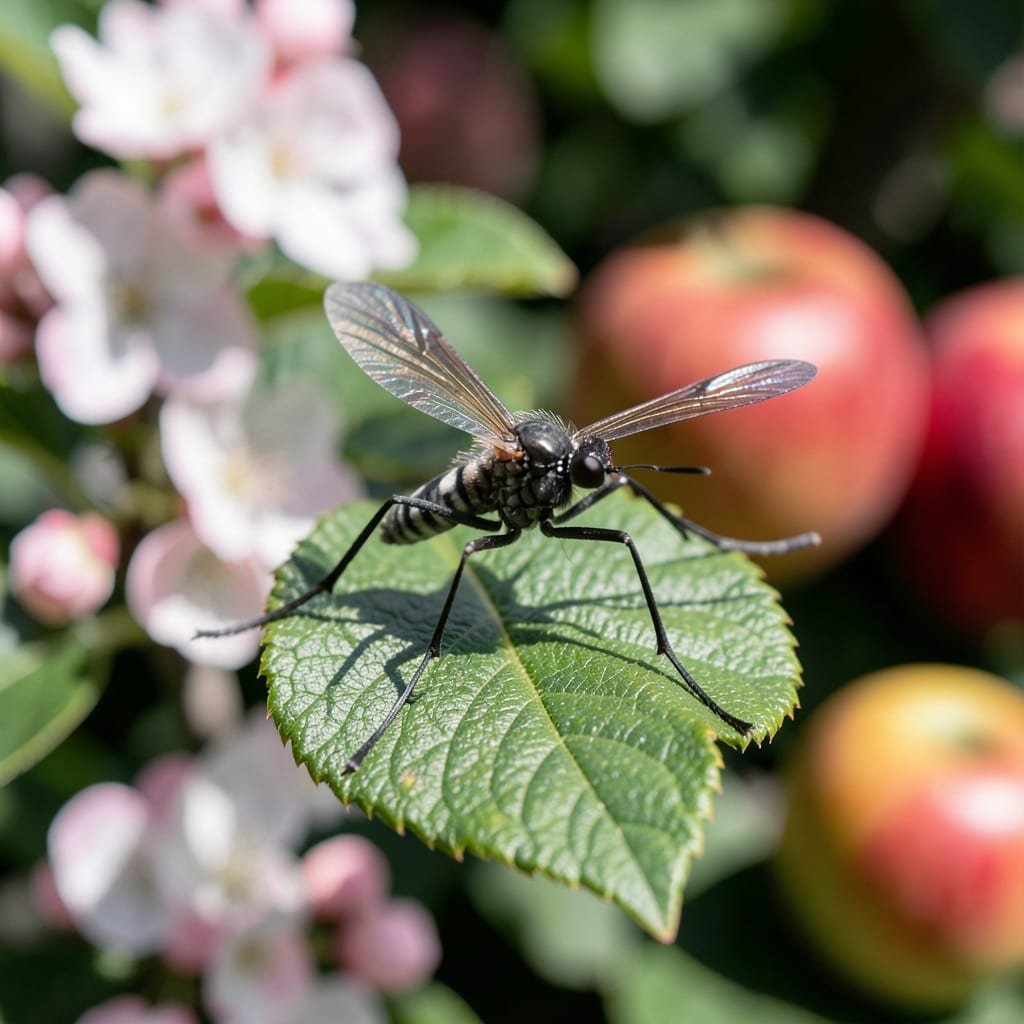
Apple cider vinegar may help repel mosquitoes due to its strong scent, but scientific evidence is limited. It works best as a DIY spray mixed with water and essential oils for temporary outdoor protection.
I’ve tested vinegar-based repellents myself, and the acidic smell does seem to mask human scents that attract mosquitoes. 🔥 What’s interesting is that the effectiveness varies—some people report better results with citrus or peppermint oils added to the mix. Keep in mind this isn’t a long-term solution, and you’ll need to reapply frequently for consistent coverage.
💡 In This Article
The strong odor of apple cider vinegar comes from acetic acid, which creates a pH of about 2-3. This acidity produces volatile compounds that mosquitoes find unappealing, as they typically prefer the neutral to slightly basic pH of human skin.
The scent masks the lactic acid and carbon dioxide we emit, which are primary attractants for these insects. 🔥
In lab studies, vinegar vapors have shown some repellent properties against certain mosquito species, though the effect is short-lived. A 2015 study in the Journal of Medical Entomology found vinegar-based solutions provided about 30-45 minutes of protection before needing reapplication. This is significantly shorter than DEET-based repellents, which can last 4-8 hours. ✨
What makes apple cider vinegar particularly interesting is its fermentation process. The “mother” culture in raw, unfiltered vinegar contains additional organic acids and enzymes that may enhance the repellent effect. However, these compounds evaporate quickly, which is why frequent reapplication is necessary for continuous protection. 💫
Compared to other natural repellents, vinegar sits in the middle of the effectiveness spectrum. Citronella oil typically offers about 2 hours of protection, while lemon eucalyptus oil can provide up to 6 hours. Vinegar’s advantage lies in its safety profile—it’s non-toxic, inexpensive, and gentle on skin when properly diluted. ⚡
It’s important to note that individual results vary widely. Factors like body chemistry, local mosquito species, and environmental conditions all play a role. In areas with aggressive mosquito populations like Aedes aegypti, vinegar alone may not provide sufficient protection against bites. 🌟
Reapply every 30-45 minutes for best results. The acetic acid compounds evaporate quickly, reducing effectiveness over time. In high-mosquito areas, you may need to reapply more frequently.
Always dilute with water first—a 1:1 ratio is safest. Undiluted vinegar can irritate skin, especially sensitive areas. Do a patch test before full application.
Yes! Adding 10-15 drops of citronella, peppermint, or eucalyptus oil per 4 oz of spray boosts effectiveness. These oils contain compounds mosquitoes strongly dislike.
The volatile compounds in vinegar dissipate quickly, especially in warm or windy conditions. This is why commercial repellents often last longer—they use stabilizing agents.