
Beautiful Plants For Your Interior
Beautiful Plants For Your Interior
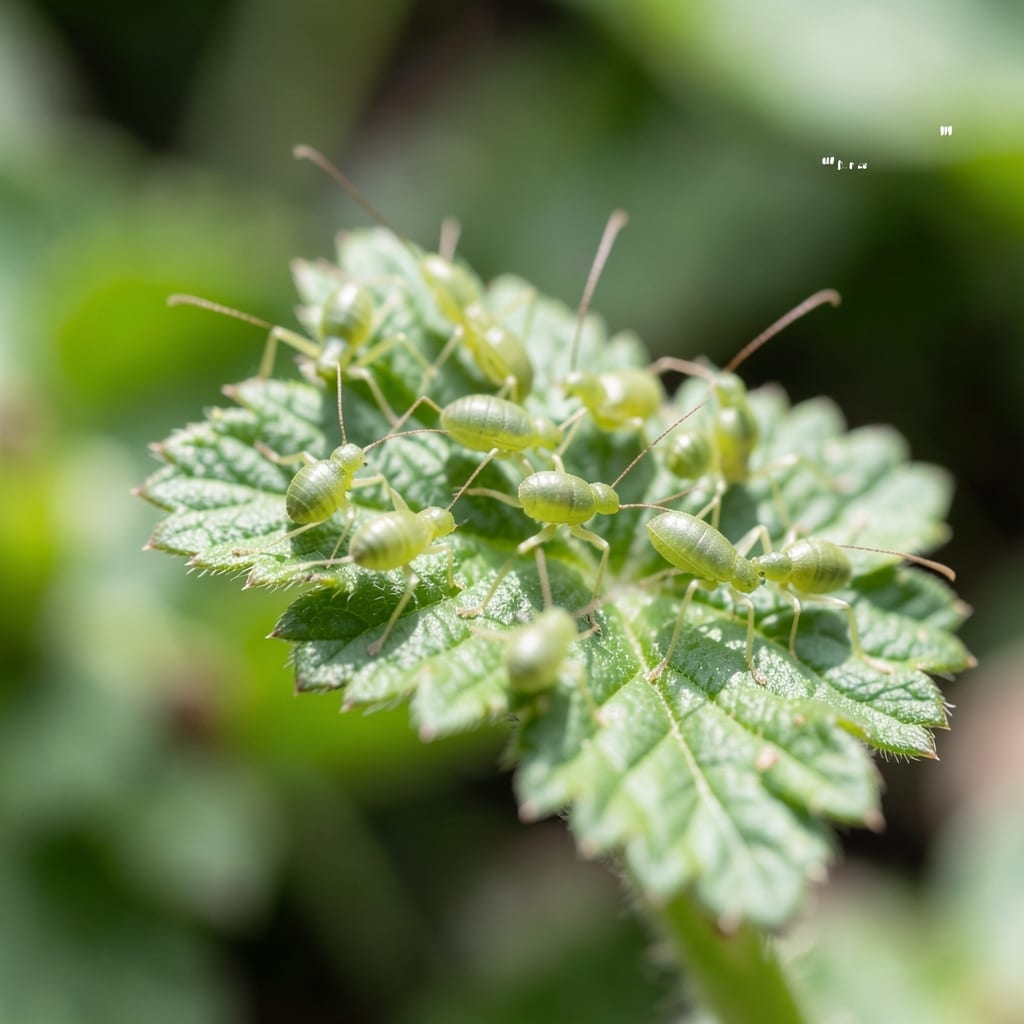
Tiny green invaders on your cannabis or garden plants can spiral out of control fast. I’ve lost entire crops to aphids before learning how to spot them early—clusters under leaves, sticky residue, curled foliage.
The good news is they’re weak against simple, natural solutions. A strong blast from the hose knocks them off, while ladybugs and lacewings eat them for breakfast. 24-48 hours of consistent treatment can break their lifecycle.
Prevention is even easier: companion plants like basil or marigolds repel them naturally. Keep your space clean and monitor new growth weekly—aphids love fresh, tender shoots.
Healthy plants resist better, so start with strong soil and proper watering. This approach keeps your garden thriving without harsh chemicals.
Aphids thrive on cannabis plants due to a combination of environmental and biological factors. Understanding these causes helps prevent and control outbreaks effectively.
Excess nitrogen in soil promotes soft, succulent growth—aphids’ favorite food. High-nitrogen fertilizers encourage rapid leaf development, which lacks the tougher cell structures that deter pests. Cannabis growers often overfeed during vegetative stages, unknowingly creating an aphid buffet.
Stagnant air and humidity above 60% create ideal breeding conditions. Aphids reproduce asexually in warm, moist environments, with females giving birth to live nymphs without mating. Crowded grow spaces or lack of ventilation exacerbate this, especially in indoor setups.
Outdoor cannabis benefits from ladybugs, lacewings, and parasitic wasps—natural aphid hunters. Indoor grows or monoculture gardens often lack these predators, allowing aphid populations to explode unchecked. Even a small introduction of beneficial insects can disrupt their lifecycle.
Aphids or their eggs can hitchhike via unsterilized soil, tools, or cloned plants. Many growers unknowingly introduce pests by reusing potting mix or accepting cuts from infected mother plants. Always quarantine new plants and use pasteurized soil to minimize risk.
Dealing with aphids on your plants can feel overwhelming, but these practical solutions will help you reclaim your garden’s health. Below are targeted fixes for common aphid issues, along with prevention tips to keep them from returning.
Tightly packed plants create a humid haven for aphids. Thin out dense foliage to allow better air circulation. Space plants according to their mature size, and prune excess growth regularly. This reduces hiding spots and makes it harder for aphids to settle.
Prevention tip: 💡 Use raised beds or trellises to maximize spacing and airflow.
Aphids thrive on stressed plants, often caused by inconsistent watering. Water deeply but infrequently to encourage strong root systems. Avoid overhead watering, which can wash aphids to new plants. Instead, use a drip irrigation system or water at the base.
Prevention tip: 🌡️ Mulch around plants to retain moisture and reduce stress.
Natural predators like ladybugs, lacewings, and parasitic wasps keep aphid populations in check. Purchase these beneficial insects from garden centers and release them at dusk. Avoid broad-spectrum pesticides, which harm these helpers.
Prevention tip: ✨ Plant nectar-rich flowers (e.g., marigolds, alyssum) to attract and sustain predator populations.
For a quick fix, mix 1 tablespoon of mild soap (like Castile) with 1 quart of water and spray directly on aphids. The soap disrupts their cell membranes, causing them to dehydrate. Reapply every 4-7 days or after rain.
Prevention tip: 🎯 Spray neem oil weekly as a preventive measure—it disrupts aphid life cycles without harming plants.
Healthy plants resist aphids better. Fertilize with a balanced, organic option (e.g., compost tea or fish emulsion) to strengthen growth. Avoid over-fertilizing with nitrogen, which can attract aphids.
Prevention tip: 🍃 Rotate crops annually to prevent soil depletion and reduce pest buildup.
Check under leaves for tiny green or black bugs and sticky residue. Curled or yellowing leaves also signal their presence.
They love new growth and high humidity. Overfertilizing with nitrogen creates tender leaves they adore.
A 1 tablespoon soap to 1 quart water spray works well. Neem oil weekly prevents new infestations.
Yes, aphids move quickly between plants. Isolate infested ones and treat immediately to stop the spread.