
Beautiful Plants For Your Interior
Beautiful Plants For Your Interior
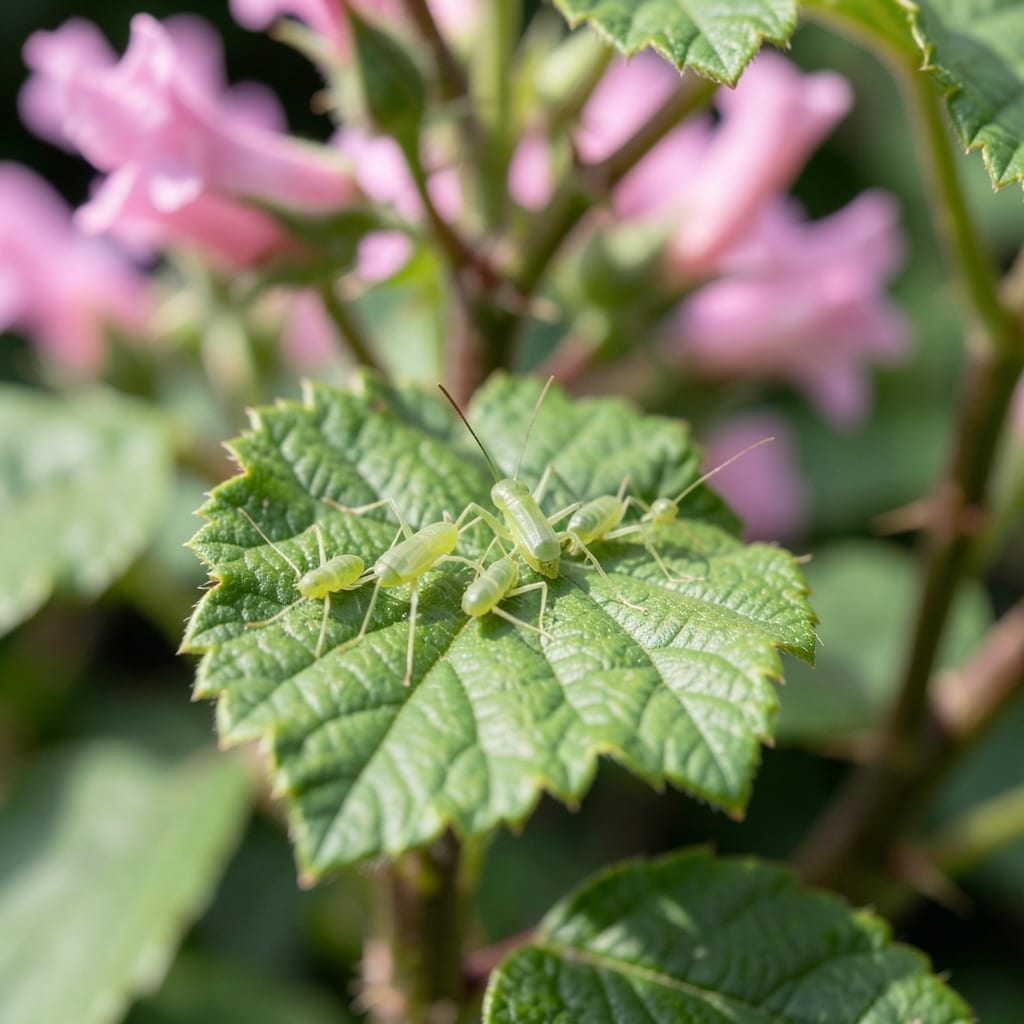
These tiny green invaders can turn your Rose of Sharon into a sticky, wilted mess overnight. I’ve battled aphids on mine for years, and the soap spray solution is the fastest way to regain control without harsh chemicals.
The trick is catching them early—check the undersides of leaves where they love to hide. A simple mix of dish soap and water disrupts their cell membranes, and they’ll wash away with the next rain or watering.
Within 24-48 hours, you’ll see a dramatic drop in their numbers. Repeat every few days until they’re gone, and your plant will bounce back with vibrant blooms in no time.
Works for any aphid-prone plant, not just Rose of Sharon. Here’s the exact method I swear by.
Aphids thrive on Rose of Sharon (Hibiscus syriacus) due to a combination of environmental, biological, and cultural factors. Understanding these causes helps prevent future outbreaks and targeted treatments.
Aphids are drawn to the tender, sap-rich shoots and leaves of Rose of Sharon, especially in spring and early summer. These parts of the plant are low in fiber and high in nitrogen, providing an ideal food source for aphids to pierce and suck out nutrients. Over-fertilizing with nitrogen-heavy products can exacerbate this by promoting excessive soft growth.
Warm temperatures (65–80°F) and low humidity create perfect conditions for aphid populations to explode. These pests reproduce rapidly in such climates, with females giving birth to live young without mating (parthenogenesis). Drought-stressed plants are also more vulnerable, as their weakened state makes them less resistant to infestation.
When beneficial insects like ladybugs, lacewings, or parasitic wasps are absent, aphid populations go unchecked. Overuse of broad-spectrum pesticides can kill these natural enemies, disrupting the ecosystem balance. Encouraging biodiversity in your garden—such as planting pollinator-friendly species—helps restore this balance naturally.
Stressed or overcrowded Rose of Sharon plants are more susceptible to aphids. Poor air circulation between plants increases humidity around foliage, creating a favorable environment for aphids. Prune regularly to improve airflow and remove heavily infested branches to reduce spreading.
Tackling aphids on your Rose of Sharon starts with the right approach. Below are practical fixes for each common cause, paired with prevention tips to keep these pests at bay.
Prune dense foliage to improve airflow and reduce hiding spots for aphids. Space plants at least 3–4 feet apart to discourage rapid infestation. Prevention tip: Thin out new growth early in the season to limit aphid-friendly environments.
Aphids thrive in damp conditions. Water at the base of the plant in the morning to allow foliage to dry quickly. Avoid overhead sprinkling. Prevention tip: Use drip irrigation to keep leaves dry and less inviting to pests.
Apply a balanced fertilizer to strengthen your Rose of Sharon. Healthy plants resist aphid attacks better. Prevention tip: Feed with compost or organic fertilizer monthly during growing season.
Encourage ladybugs, lacewings, and parasitic wasps by planting pollinator-friendly flowers nearby. Avoid broad-spectrum pesticides that harm these helpers. Prevention tip: Leave a small patch of wildflowers to attract natural aphid predators.
Mix 1 tablespoon of mild liquid soap with 1 quart of water. Spray directly on aphids, focusing on the undersides of leaves. Reapply every 4–7 days until the infestation clears. Prevention tip: Inspect plants weekly and treat at the first sign of aphids. 💡
Use the soap spray every 4-7 days until the aphids are gone. Reapply after rain or watering. Check the undersides of leaves weekly for new infestations.
Stick to mild liquid dish soap without degreasers or additives. Harsh soaps can damage your plant. 1 tablespoon per quart of water is the safe ratio.
Yes, soap spray targets only soft-bodied pests like aphids. Beneficial insects like ladybugs usually return once the spray dries. Avoid chemical pesticides to keep them around.
Apply in the early morning or late evening to avoid harming bees. This also gives the spray time to work before the heat of the day.