
Beautiful Plants For Your Interior
Beautiful Plants For Your Interior
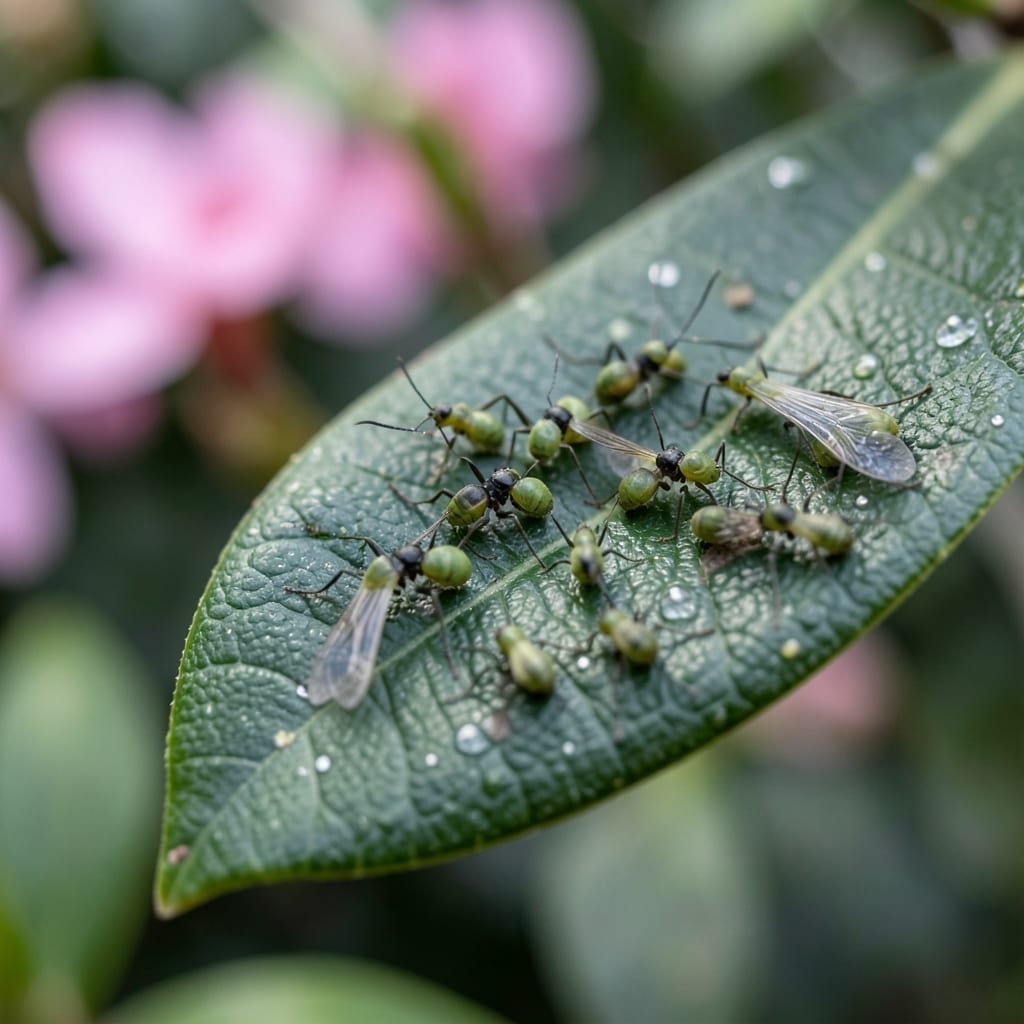
Black clusters on your oleander leaves aren’t dirt—they’re trouble. Aphids swarm these plants, draining sap and leaving sticky residue that attracts more pests and diseases.
I’ve battled these soft-bodied invaders without chemicals, and it’s easier than you’d think. The key is catching them early before they multiply out of control. A strong blast of water from the hose can knock them off immediately.
You’ll see results within 24-48 hours if you stay consistent. Beneficial insects like ladybugs become your best allies, and simple soapy water sprays keep them from returning.
Works for potted or in-ground oleanders, and keeps your garden safe for kids and pets. Here’s the step-by-step approach.
Oleanders (Nerium oleander) are a magnet for aphids due to a combination of biological and environmental factors. These pests thrive on the plant’s sap, which is rich in nutrients, making oleanders an ideal host. Below are the key reasons why aphids target this popular ornamental shrub.
Aphids are naturally drawn to tender, new growth because it’s easier to pierce and extract sap. Oleanders produce soft, succulent shoots, especially during spring and early summer, which serve as a prime feeding ground. The high nitrogen content in these young leaves further entices aphids, as nitrogen is a critical nutrient for their rapid reproduction.
Excessive watering and heavy fertilization create lush, nitrogen-rich foliage—perfect conditions for aphid infestations. Overwatered oleanders develop soft tissue that aphids find irresistible. Similarly, over-fertilizing (particularly with nitrogen-heavy fertilizers) promotes excessive new growth, which aphids exploit. Balancing water and fertilizer applications can help reduce this risk.
Oleanders thrive in warm, arid environments, but so do aphids. These pests reproduce rapidly in dry, mild temperatures, and oleanders’ year-round growth in such climates provides a continuous food source. The lack of natural predators in some regions can also allow aphid populations to explode unchecked.
In some gardens, the absence of beneficial insects like ladybugs, lacewings, or parasitic wasps allows aphid colonies to flourish. Oleanders’ toxic sap can deter some predators, indirectly giving aphids an advantage. Encouraging biodiversity in your garden can help restore the natural balance and keep aphid numbers in check.
Dealing with aphids on oleanders doesn’t have to mean reaching for harsh chemicals. Here’s how to tackle the problem naturally, with simple fixes for every scenario.
If you spot a few aphids clustering on new growth, a strong jet of water from a hose can dislodge them instantly. Do this early in the day so leaves dry quickly, reducing the risk of fungal issues. Repeat every few days until they’re gone.
Release ladybugs or lacewings—natural aphid predators—into your garden. Purchase them from a nursery and release at dusk to prevent them from flying away. A single ladybug can eat up to 50 aphids a day! For best results, provide a shallow water source to keep them around.
Prevention tip: 💡 Plant companion flowers like marigolds or yarrow to attract these helpful bugs year-round.
Mix 1 tablespoon of mild liquid soap (like Castile) with 1 quart of water and spray directly on aphids. The soap breaks down their protective coating, causing them to dehydrate. Always test on a small area first to ensure it doesn’t harm the oleander.
Prevention tip: 🌡️ Avoid over-fertilizing with nitrogen, which promotes the soft growth aphids love.
Plant diverse vegetation around oleanders to disrupt aphid life cycles. Herbs like basil or dill repel aphids, while native plants support predator insects. Mulch with organic matter to improve soil health, which strengthens the oleander’s natural defenses.
Prevention tip: ✨ Prune regularly to improve air circulation and reduce hiding spots for pests.
With these targeted fixes, you can keep oleanders aphid-free without compromising their beauty—or your garden’s ecosystem.
Look for clusters of tiny green, black, or white bugs on new growth and undersides of leaves. You may also notice sticky residue (honeydew) or sooty mold on the plant.
No, when used correctly. Mix 1 tablespoon mild soap with 1 quart water and test on a small area first. Avoid harsh detergents.
Repeat soap spray every 4-7 days for active infestations. For prevention, every 2 weeks keeps them at bay.
Yes, neem oil is effective and safe. Apply in the evening and avoid spraying during hot daytime hours to prevent leaf burn.