
Beautiful Plants For Your Interior
Beautiful Plants For Your Interior
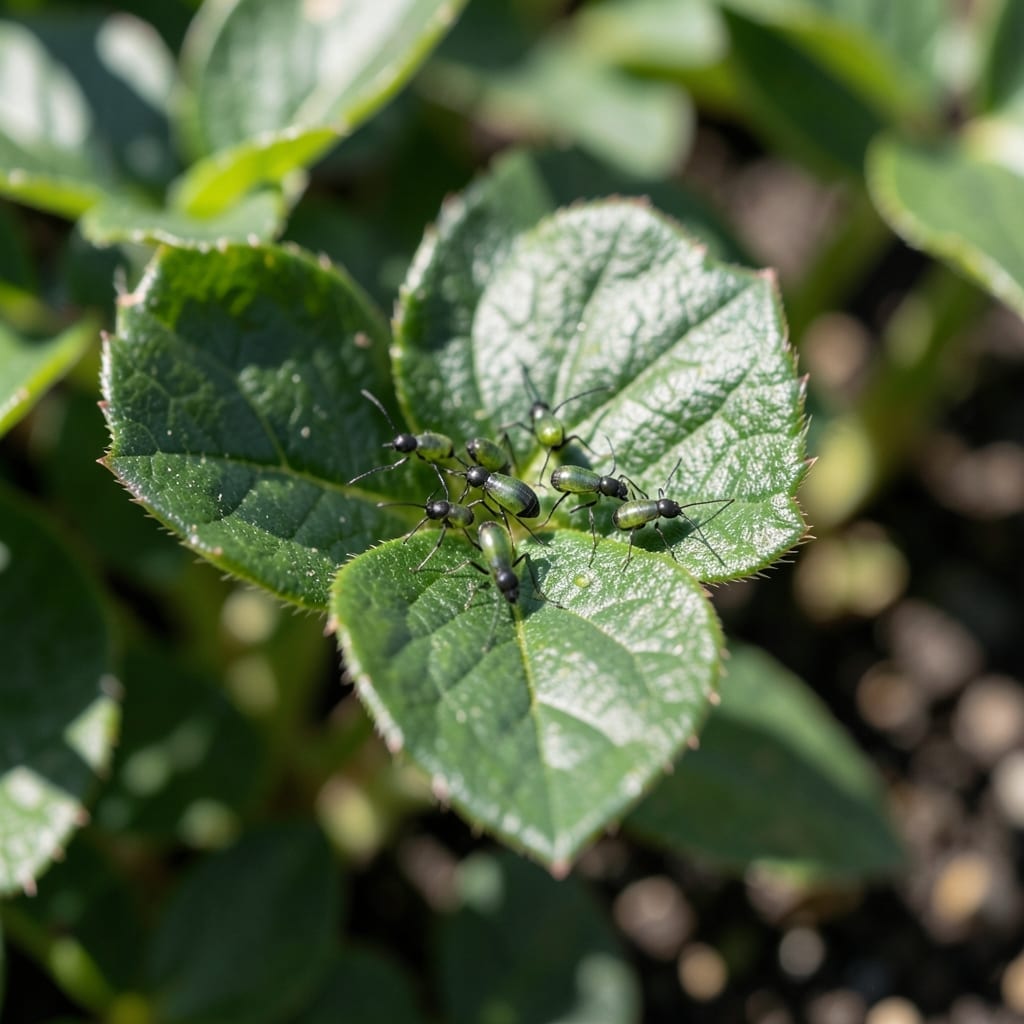
I spotted the first aphids on my Lenten roses last March. Tiny green dots clustering on new growth, threatening those precious early blooms I wait all winter for.
These pests multiply fast but they’re not invincible. A strong blast from the hose knocks them off immediately, and they rarely return the same day. The key is catching them early before they spread to every flower stem.
Your plants will thank you with healthier foliage and uninterrupted blooms. The solution takes 5 minutes and costs nothing if you act fast enough.
Works for established plants and new additions alike. Here’s how to protect your investment without harsh chemicals.
Aphids are drawn to Helleborus (Lenten Rose) for several biological and environmental reasons. Understanding these causes helps prevent infestations and protects your garden’s blooms. Below are the primary factors behind their attraction.
Lenten roses thrive in nutrient-rich soil, but excess nitrogen from fertilizers promotes rapid, soft new growth—aphids’ favorite food. These pests target tender shoots and leaves, which are easier to pierce and suck sap from. Reduce high-nitrogen fertilizers in early spring to harden off growth naturally.
Aphids thrive in humid, stagnant environments. Dense plantings or overhead watering create moist foliage, encouraging aphid colonies to multiply. Lenten roses planted in crowded beds or shaded, low-airflow areas are especially vulnerable. Thin out nearby plants and water at the base to discourage infestations.
In balanced ecosystems, ladybugs, lacewings, and parasitic wasps keep aphid populations in check. However, chemical pesticides or monoculture gardens can disrupt these predators, leaving aphids unchecked. Introduce beneficial insects or plant companion species like Achillea (yarrow) to restore natural control.
Lenten roses under stress—from drought, poor soil, or root damage—produce weaker sap with higher sugar content, which aphids find irresistible. Ensure consistent moisture (but avoid waterlogging) and amend soil with compost to strengthen plant resilience against pests.
Dealing with aphids on your lenten rose doesn’t have to be a losing battle. Here’s how to tackle each cause with simple, effective fixes—and keep those pests from coming back.
If your lenten rose is packed in too tightly with other plants, aphids thrive in the lack of airflow. Fix it: Prune back nearby foliage to create space, and ensure your lenten rose has room to breathe. Aim for at least 12–18 inches between plants. Prevention tip: 💡 Plant with spacing in mind from the start to discourage future infestations.
Aphids love damp, humid conditions. Fix it: Water your lenten rose at the base in the morning so leaves dry quickly. Avoid overhead watering, and use a soaker hose if possible. Prevention tip: 🌡️ Mulch around the plant to retain moisture without creating a soggy environment.
No ladybugs or lacewings? Aphids take over. Fix it: Plant pollinator-friendly flowers like alyssum or dill nearby to attract natural predators. You can also purchase ladybugs from garden centers. Prevention tip: ✨ Avoid broad-spectrum pesticides that kill helpful insects along with pests.
For an immediate solution, mix 1 teaspoon of mild liquid soap or neem oil with 1 quart of water. Spray directly on aphids (test a small area first). Reapply every 4–7 days until they’re gone. Prevention tip: 🎯 Regularly inspect the undersides of leaves to catch new aphids early.
With these targeted fixes, your lenten rose can bounce back—and stay aphid-free!
Inspect your plants every 3-4 days during warm weather, focusing on new growth and leaf undersides. Early detection makes removal easier and prevents rapid spreading.
Rarely. While they weaken plants by sucking sap, healthy Lenten roses usually recover fully after treatment. The main risk is stunted growth or curled leaves if left unchecked.
Only if it’s mild and free of degreasers. Mix 1 teaspoon with 1 quart of water and test on a small area first. Harsh soaps may damage the plant’s foliage.
They’re likely hitching rides on nearby plants or being protected by ants. Remove ant trails and treat all affected plants simultaneously to break the cycle.