
Beautiful Plants For Your Interior
Beautiful Plants For Your Interior
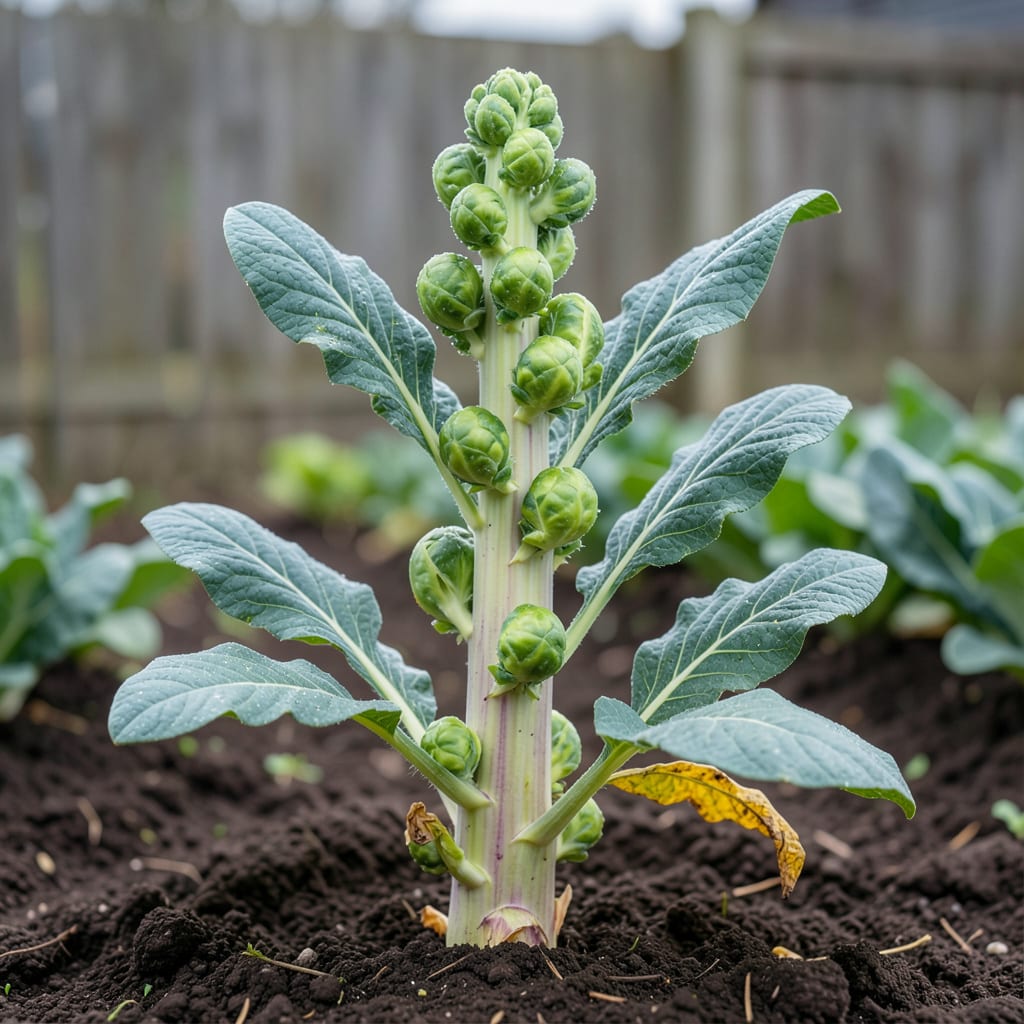
Aphids on Brussels sprouts appear as tiny green, black, or gray bugs clustered on leaves and stems. They suck plant sap, causing curled leaves and stunted growth. Early treatment with water sprays, insecticidal soap, or natural predators prevents serious damage.
These pests thrive in cool weather, which unfortunately coincides with Brussels sprouts’ prime growing season. 🔥 What makes them particularly troublesome is their rapid reproduction cycle—some species can produce new generations every week under ideal conditions. I’ve noticed they’re especially attracted to new growth and tender leaves, often congregating on the undersides where they’re harder to spot. The sticky honeydew they secrete doesn’t just attract ants—it creates the perfect environment for sooty mold to develop, which can further stress your plants.
💡 In This Article
Aphids use their needle-like mouthparts called stylets to pierce plant cells and extract sap directly from the phloem—the plant’s nutrient transportation system. This isn’t just simple feeding; they inject saliva containing enzymes that break down cell walls while simultaneously sucking out amino acids and sugars.
🔥 The continuous sap removal starves the plant of essential nutrients, particularly nitrogen, which is critical for Brussels sprouts’ leafy growth.
The damage goes beyond nutrition theft. Aphids transmit over 100 different plant viruses, with Brussels sprouts being particularly vulnerable to cucumber mosaic virus and turnip mosaic virus. These pathogens spread when aphids probe multiple plants—studies show just 15-30 seconds of feeding is enough for transmission.
The viruses cause mottled yellow patterns on leaves, stunted sprouts, and can reduce yields by up to 50% in severe cases.
Visible signs develop in a predictable sequence. First comes the sticky honeydew—aphids excrete this sugary waste at rates of 1-2 droplets per minute per insect. This creates a glossy film that attracts ants (which protect aphids from predators) and fosters sooty mold growth within 24-48 hours.
The mold’s black fungal threads block sunlight, reducing photosynthesis efficiency by 20-30%. Meanwhile, the aphids’ feeding causes leaves to curl downward as cells collapse from fluid loss.
Long-term impacts become apparent in the sprouts themselves. Plants under aphid stress produce smaller, looser heads with reduced density. Research from Oregon State University found that heavy infestations can decrease marketable yield by 35-40% and reduce individual sprout weight by 25%.
The stress also makes plants more susceptible to secondary infections like alternaria leaf spot and powdery mildew.
What’s particularly insidious is how aphids target the newest growth. They’re attracted to the higher nitrogen content in young leaves and developing sprouts. This focus on tender tissues means damage accumulates where it matters most—at the growing points that determine your harvest quality.
The insects’ preference for undersides of leaves (where humidity is 10-15% higher) creates microclimates that accelerate both reproduction and disease development. ✨
Aphid populations can explode under ideal conditions. A single female can produce up to 80 offspring in just one week. In warm weather, you might see new generations every 5-7 days, meaning a small problem can become a full infestation in under two weeks if left untreated.
Overhead watering can temporarily reduce numbers by knocking aphids off plants. However, it’s not a long-term solution. For best results, combine water sprays with other methods like neem oil. Avoid evening watering, as damp foliage overnight encourages fungal growth.
Yes, but thoroughly wash them first. Aphids don’t burrow into sprouts, so they’re easily removed. Soak sprouts in cold water with 1 tablespoon vinegar per gallon for 10 minutes, then rinse. This removes both insects and any honeydew residue.
Early morning or late evening works best. These times avoid harming beneficial insects like bees that are active during daylight. For oil-based treatments, evening applications prevent leaf burn from sun exposure. Always check weather forecasts—rain within 24 hours can wash away treatments.
Check for reduced honeydew and fewer visible insects after 3-5 days. New growth should appear healthier without curling. If you still see active aphids after a week, it’s time to switch methods or increase application frequency.
