
Beautiful Plants For Your Interior
Beautiful Plants For Your Interior
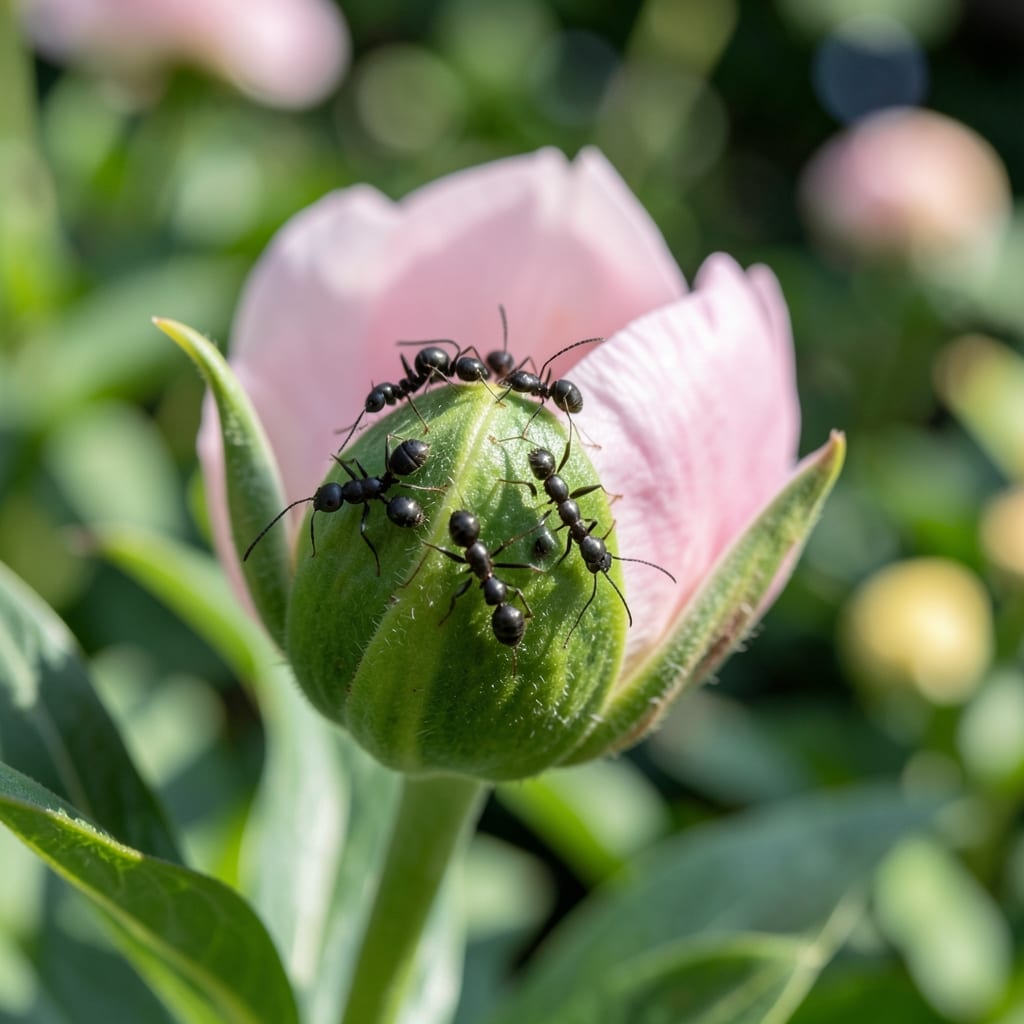
Ants and peonies share a mutualistic relationship where ants feed on nectar-rich secretions from peony buds while protecting the plant from harmful pests. However, they don’t aid in pollination.
I’ve noticed peonies produce these sugary droplets specifically to attract ants, which then aggressively defend the buds from caterpillars and beetles. 🔥 This natural defense system reduces the need for chemical pesticides, making it a gardeners’ ally. The relationship is purely protective—ants get food while peonies gain a tiny army of bodyguards.
💡 In This Article
Peony buds produce nectar through specialized structures called extrafloral nectaries. These glands secrete a sugar-rich fluid containing glucose, fructose, and amino acids that ants find irresistible. The nectar production peaks just before blooming, with each bud releasing up to 1-2 microliters of fluid daily.
This attracts worker ants in droves, establishing a consistent food source for the colony. ✨
Ants exhibit territorial behavior around peony buds, attacking any insect that approaches. Studies show ant presence can reduce caterpillar damage by 40-60% and deter beetles from laying eggs. Their aggressive defense includes biting, stinging, and spraying formic acid at invaders.
This protection is most critical during the 2-3 weeks before blooming when buds are most vulnerable.
The relationship is so effective that peonies with ant visitors often show 30% fewer pest-related deformities compared to isolated plants. The ants’ constant patrolling creates a living barrier that even repels larger herbivores. Gardeners report healthier plants with fuller blooms when ant populations are thriving. 🔥
What’s fascinating is how specific this adaptation is. Peonies evolved this nectar production solely for ant attraction, not pollination. The nectar’s chemical composition contains compounds that specifically trigger ant foraging behavior, while lacking the scents that would attract pollinators like bees. This evolutionary specialization makes the bond between ants and peonies particularly unique in nature.
The timing of nectar release coincides perfectly with ant activity patterns. Early morning sees the highest nectar flow, matching when ant colonies send out their first foraging parties. This synchronization ensures maximum protection during the most vulnerable hours when other pests are most active. 🌟
Peony buds produce sweet nectar through extrafloral nectaries to intentionally attract ants. This sugar-rich fluid provides food while encouraging ants to defend the plant from pests.
Yes! Ants protect buds from caterpillars and beetles, reducing damage by 40-60%. Plants with ant visitors often show 30% fewer deformities and healthier blooms.
Ants won’t damage peonies—they only feed on nectar and defend the plant. However, if they become a nuisance indoors, gently shake them off cut flowers before arranging.
Avoid chemical pesticides, as they can disrupt this beneficial relationship and harm other helpful insects. Opt for natural barriers like cinnamon or diatomaceous earth instead.