
Beautiful Plants For Your Interior
Beautiful Plants For Your Interior
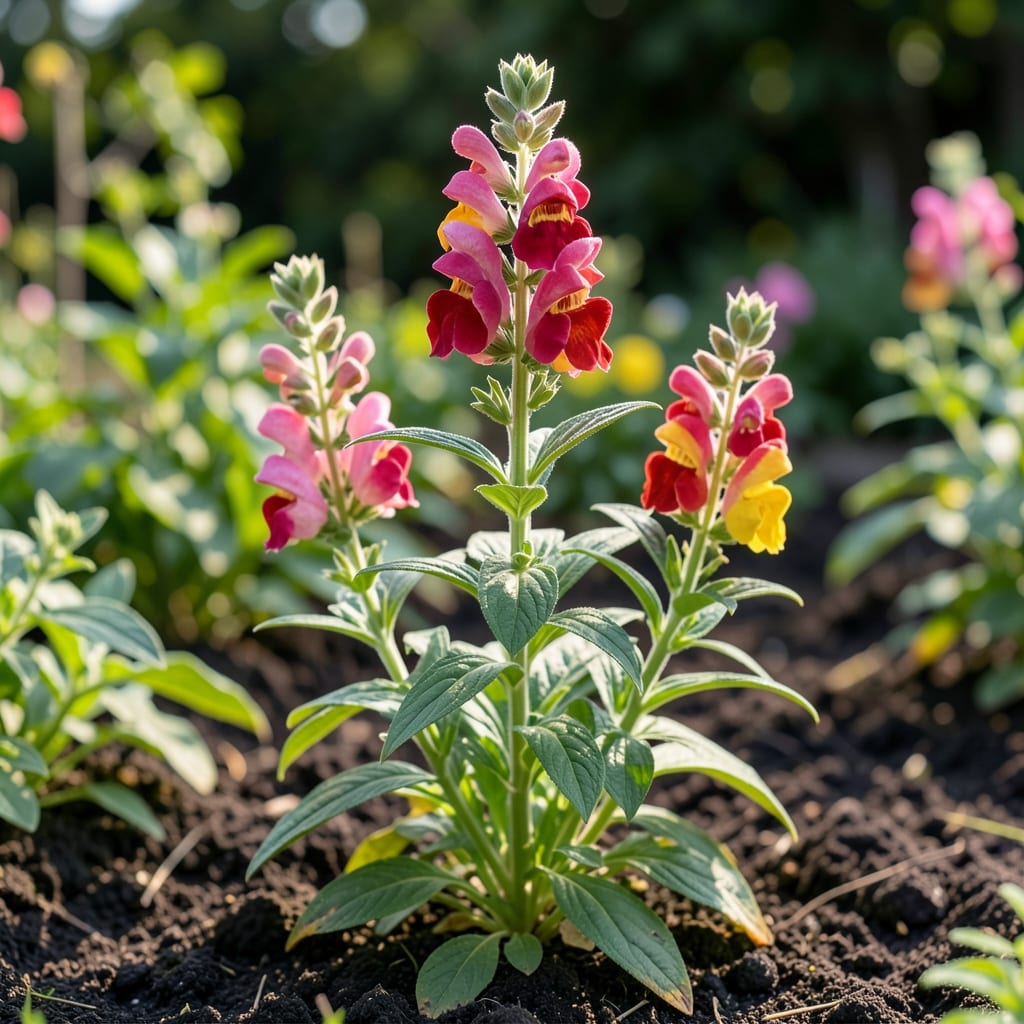
The common name for Antirrhinum majus cv is snapdragon, a popular garden flower known for its colorful, dragon-shaped blooms that snap open when squeezed.
I love how this plant earned its whimsical nickname from the way its blooms resemble a dragon’s snout that opens and closes. 🌟 Gardeners often choose cultivated varieties for their vibrant reds, pinks, and yellows, which add height and drama to borders. The cv designation simply means these are specially bred versions of the wild species.
💡 In This Article
The name Antirrhinum majus comes from Greek roots: “anti” (like) and “rhinum” (nose), describing the flower’s snout-like shape. “Majus” means greater, distinguishing this taller species from smaller relatives. This classification dates back to Carl Linnaeus’ 18th-century taxonomy system. 🌟
The cv abbreviation stands for “cultivar”, indicating horticulturists have selectively bred these plants for specific traits. Unlike wild types, cultivated varieties may have double blooms, unique color patterns, or improved disease resistance. These intentional modifications create the diverse snapdragons we see in gardens today.
Historically, snapdragons were called “lion’s mouth” in medieval Europe due to their resemblance to a lion’s jaws. The modern name “snapdragon” emerged later, inspired by how the flowers’ lower lips spring open when squeezed, mimicking a dragon’s bite. This playful interaction made them popular in Victorian flower language.
Botanically, Antirrhinum majus belongs to the Plantaginaceae family, though it was previously classified under Scrophulariaceae. DNA analysis revealed closer genetic ties to plantains than to figworts. This reclassification in 2009 reflects our evolving understanding of plant relationships through molecular biology. ✨
Garden centers typically label these as “snapdragons” because the common name is more approachable. However, scientific names like Antirrhinum majus cv ensure precision when discussing specific varieties, as there are over 40 species in the Antirrhinum genus, each with unique characteristics.
The name comes from how the flowers’ dragon-shaped blooms snap open when squeezed. This playful feature resembles a dragon’s mouth opening and closing.
Cv stands for cultivar, meaning it’s a selectively bred variety. These plants are intentionally modified for traits like color or disease resistance.
Depending on the variety, snapdragons can range from 6 inches to 3 feet tall. Taller types often need staking for support in windy conditions.
In most climates, they’re grown as annuals. However, in mild winters, they may return as short-lived perennials.
Regular deadheading and pinching back young plants promotes bushier growth and more flowers. This simple practice can extend the blooming season significantly.