
Beautiful Plants For Your Interior
Beautiful Plants For Your Interior
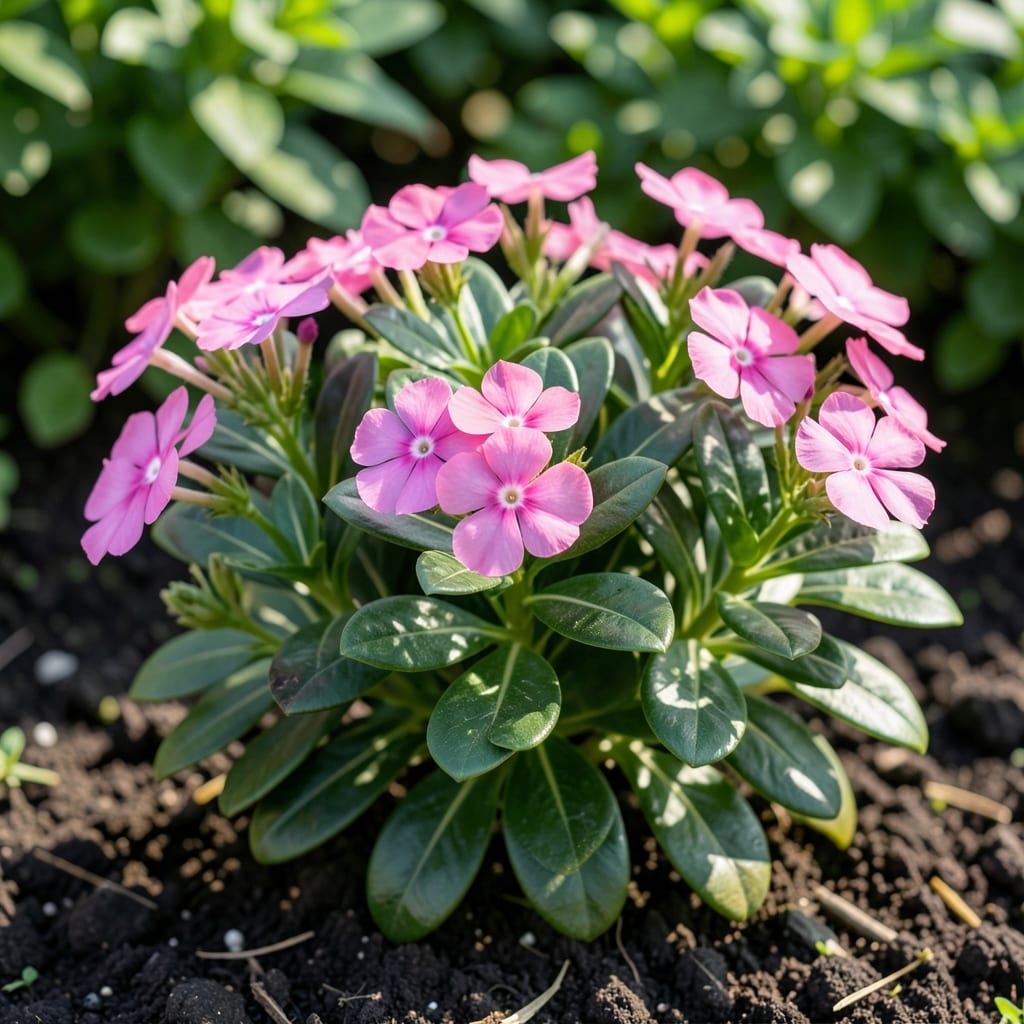
Periwinkle is commonly called vinca, myrtle, or creeping myrtle. Botanically, it belongs to the Vinca genus, with Vinca minor and Vinca major as popular species names.
I’ve noticed these names often reflect how the plant behaves in gardens—vinca comes from its Latin roots, while creeping myrtle describes its ground-covering growth habit. Gardeners typically use the common names for everyday conversation, but the botanical terms help avoid confusion between species. This distinction becomes especially useful when selecting plants for specific landscaping needs 🌟
💡 In This Article
The alternative names for periwinkle stem from its taxonomic history and growth habits. The genus Vinca comes from Latin roots, meaning “to bind” or “to wind,” referencing its trailing nature. This classification was established in the 18th century by Carl Linnaeus, who grouped plants based on shared characteristics like flower structure and leaf arrangement 🌟
Vinca minor and Vinca major differ in leaf size and flower dimensions. V. minor typically grows 6-12 inches tall with 1-inch flowers, while V. major reaches 1-2 feet with larger blooms. These species were named based on observable traits that botanists documented over centuries of study and cultivation.
Regional naming conventions also play a role in the diversity of names. In Europe, it’s often called myrtle due to its glossy, evergreen leaves resembling true myrtle plants. American gardeners frequently use creeping myrtle to emphasize its ground-covering ability, which can spread 12-18 inches per year under ideal conditions ⚡
Historical botanical references reveal that periwinkle was first documented in medieval herbals. The name periwinkle itself comes from the Old English “perwince,” which was a borrowing from Latin pervinca. This linguistic evolution reflects how the plant’s name has adapted across cultures and time periods.
What makes this classification particularly interesting is how it bridges both science and practical gardening. While botanists rely on Vinca for precision, gardeners often prefer common names that describe the plant’s appearance or behavior in the landscape. This dual naming system allows for both scientific accuracy and everyday usability ✨
Vinca is the botanical genus name, derived from Latin meaning “to bind.” Gardeners often use this term for precision, especially when distinguishing between Vinca minor and Vinca major species. It’s also shorter and easier to remember in conversation
Yes, creeping myrtle is a common name for periwinkle, particularly in the U.S. The name highlights its ground-covering growth habit, which can spread 12-18 inches per year. It’s especially popular for landscaping due to this trait
Vinca minor stays compact at 6-12 inches tall with 1-inch flowers, while Vinca major grows taller at 1-2 feet with larger blooms. Check the plant tag for the scientific name to avoid confusion at the nursery
In Europe, it’s often called myrtle because of its glossy, evergreen leaves. Some areas may refer to it as dwarf periwinkle or lesser periwinkle for the smaller species. Always confirm the botanical name for clarity