
Beautiful Plants For Your Interior
Beautiful Plants For Your Interior
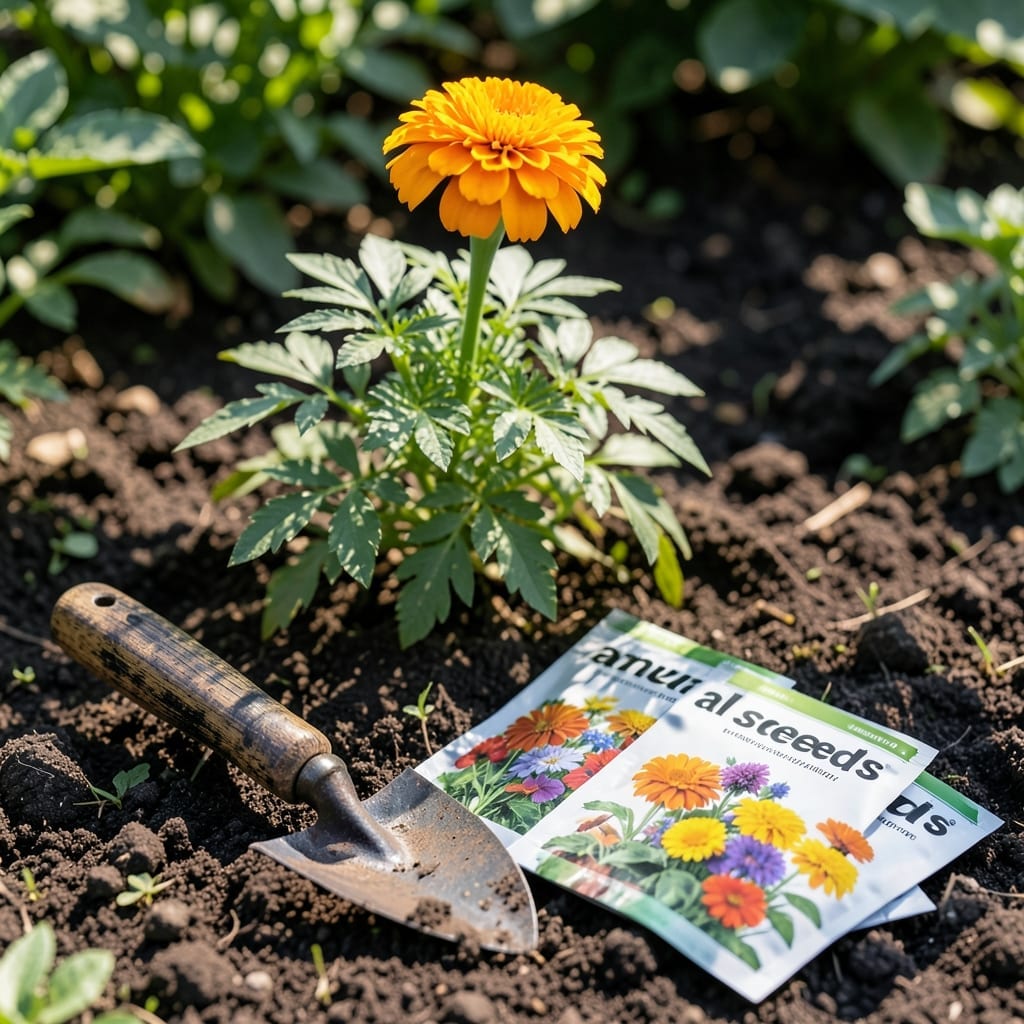
Annual seeds come from plants that complete their life cycle in one growing season, germinating, flowering, producing seeds, and dying within a year.
I love working with these because they offer immediate gratification in the garden. Many popular flowers like marigolds and zinnias fall into this category, completing their entire existence in 12 months or less. What’s fascinating is how they channel all their energy into rapid growth and reproduction, unlike perennials that spread over multiple years. 🔥
💡 In This Article
The journey starts with germination, where the seed absorbs water and swells, triggering metabolic activity. Within 5-10 days under ideal conditions of 65-75°F soil temperature, the radicle (embryonic root) emerges, anchoring the plant and beginning nutrient absorption. 🔥
Next comes rapid vegetative growth, where the plant develops leaves and stems. Annuals like sunflowers or beans focus all energy on upward growth, often reaching maturity in 60-90 days. This phase is fueled by photosynthesis, converting sunlight into the energy needed for the next critical stage.
Flowering signals the reproductive phase, triggered by environmental cues like daylight length. For instance, marigolds may begin blooming after 45-60 days of growth, with flowers opening sequentially. Pollination occurs via wind, insects, or self-fertilization, leading to seed formation within the developing fruit or seed head.
Seed production marks the final act. As seeds mature, the plant redirects all remaining resources to their development, often at the expense of its own health. Once seeds are viable—typically 2-4 weeks after pollination—the parent plant begins to senesce, or die back, completing its life cycle in a single growing season. ✨
The entire process is a race against time. Annuals evolved this strategy to exploit temporary growing conditions, ensuring seed dispersal before harsh weather arrives. This is why they thrive in disturbed soils and are often the first to colonize new or cleared garden beds. 💫
Annual seeds complete their entire life cycle in one season, while perennials regrow each year. Annuals germinate, grow, flower, produce seeds, and die within 12 months. Perennials return yearly from the same root system.
Yes, you can collect and store seeds from most annuals. Allow seed pods to fully mature and dry on the plant, then harvest and store in a cool, dry place. Viability typically lasts 1-3 years for most varieties.
Most annual seeds don’t require special treatment, but some benefit from soaking for 12-24 hours to soften the seed coat. Check the seed packet for variety-specific instructions, like stratification for certain flowers.
Annuals offer quick results, vibrant colors, and variety. They’re ideal for filling gaps, experimenting with new plants, or achieving immediate impact. Many also self-seed, providing new plants the following year.