
Beautiful Plants For Your Interior
Beautiful Plants For Your Interior
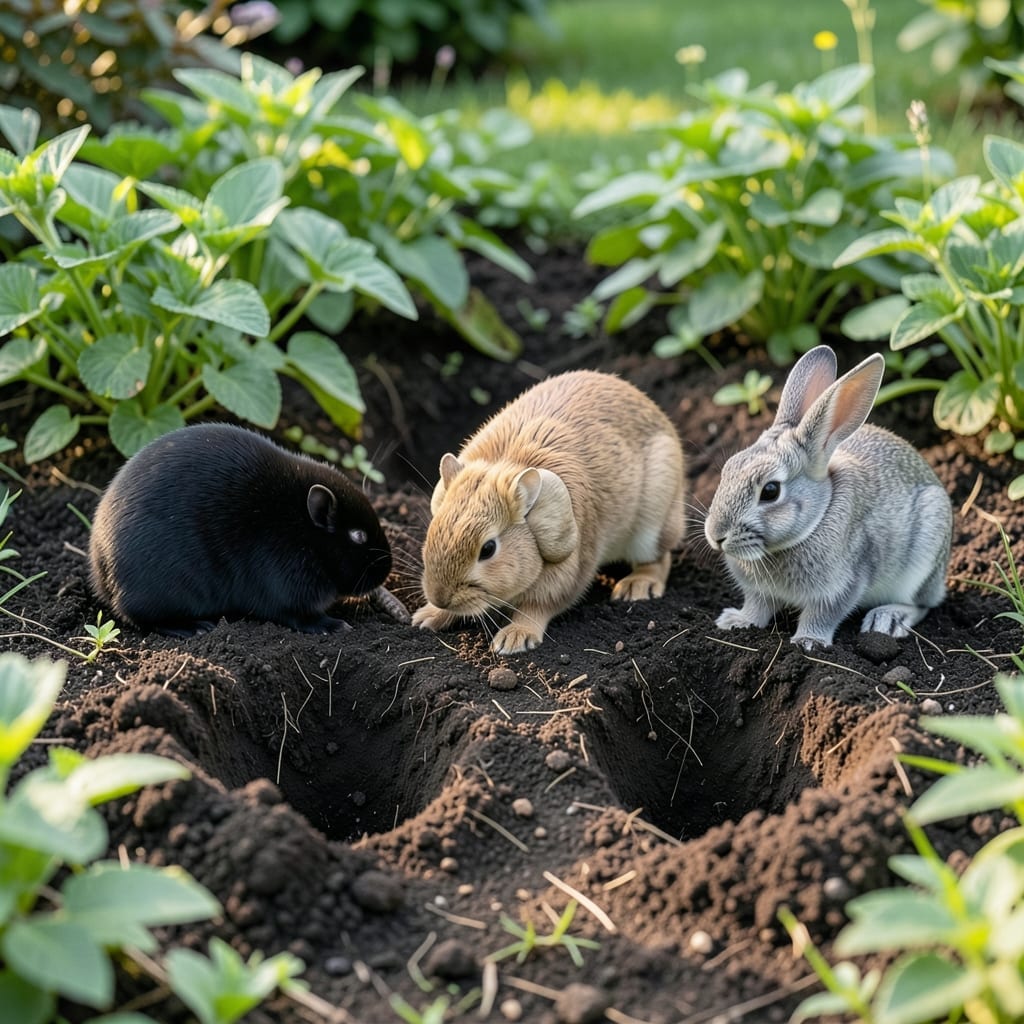
Many animals dig underground for shelter, food storage, or protection. Common examples include moles, gophers, badgers, and rabbits, each adapted to their subterranean lifestyle.
I’ve noticed these creatures often have specialized adaptations like strong claws or streamlined bodies to thrive below ground. Their tunnels serve as hidden highways for escaping predators or stashing food during harsh seasons. 🔥
What fascinates me most is how these burrows also shape the ecosystem by aerating soil and creating habitats for other species.
💡 In This Article
The evolutionary drive to dig often stems from survival needs. Underground tunnels provide consistent 50-60°F temperatures year-round, shielding animals from extreme heat or cold. This thermal stability is critical for species like the eastern mole, which maintains a metabolic rate suited to stable conditions rather than fluctuating surface temperatures. 🔥
Predator avoidance ranks as another key benefit. A badger’s burrow can extend 10-15 feet deep with multiple chambers, creating an escape route system that foxes or coyotes can’t easily access. The narrow tunnels also force predators into single-file pursuit, giving the resident animal a tactical advantage in tight spaces.
Food storage plays a vital role, especially in seasonal climates. Prairie dogs, for instance, cache seeds and roots in specialized underground chambers. These pantries can hold up to 1-2 pounds of food per individual, sustaining them through winter when surface foraging becomes impossible. The humidity underground also preserves food longer than above-ground storage. ✨
Soil aeration from digging benefits entire ecosystems. A single acre may contain 200-300 mole tunnels, which improve water infiltration and root growth for plants. This creates a symbiotic relationship where the animals gain shelter while their excavation work enhances the habitat for other species.
Some diggers have remarkable adaptations. The aardvark’s 12-inch claws can move 2 cubic feet of soil per minute, while the naked mole-rat’s nearly hairless body and reduced lung capacity allow it to thrive in low-oxygen tunnel environments. These specialized traits show how evolution shapes animals perfectly for their subterranean niches. 💫
Prairie dogs create vast tunnel systems called “towns” that can span 100+ acres with multiple chambers. Moles also build intricate networks, with some species adding 20-30 feet of new tunnels daily. These systems often include separate areas for sleeping, nesting, and food storage.
Most have adapted to low-oxygen environments. Naked mole-rats can survive with just 5% oxygen (compared to our 21%). Others, like badgers, dig tunnels with multiple entrances to ensure airflow. Their bodies use oxygen more efficiently than surface-dwelling animals.
Yes, extensive tunneling can undermine foundations or damage lawns. Gophers may pull entire plants underground, while moles create raised ridges that can trips hazards. However, their activity also aerates soil, which benefits gardens.
The black-footed ferret, which relies on prairie dog burrows, is one example. Conservation efforts protect both the ferrets and their tunnel-building hosts. Always check local wildlife regulations before disturbing potential habitats.