
Beautiful Plants For Your Interior
Beautiful Plants For Your Interior
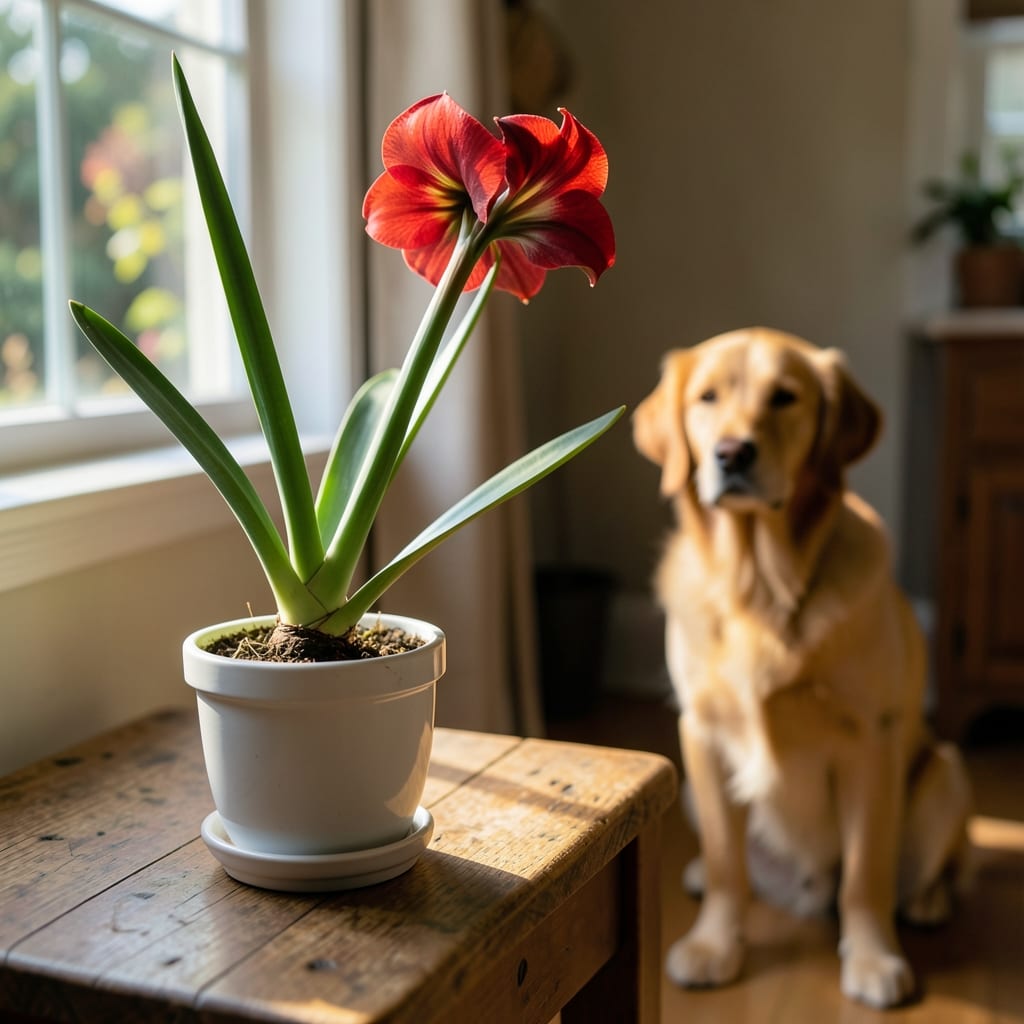
Yes, amaryllis is highly toxic to dogs. All parts contain lycorine and other alkaloids that cause severe vomiting, diarrhea, tremors, and drooling. Immediate vet attention is critical.
The bulbs pack the highest concentration of these harmful compounds, which can trigger neurological symptoms in addition to gastrointestinal distress. 🔥 I’ve seen cases where even small ingestions led to lethargy and loss of appetite within hours, so acting fast is non-negotiable. Keep these plants far out of reach, especially during the holiday season when they’re commonly displayed.
💡 In This Article
The primary culprits are lycorine and other phenolic alkaloids concentrated in every part of the plant. These compounds disrupt cellular function by inhibiting protein synthesis, leading to gastrointestinal irritation and neurological disturbances in canines. The bulb contains the highest concentration, often 5-10 times more than the leaves or flowers, making it the most dangerous part.
🔥
When ingested, lycorine triggers immediate nausea and vomiting by stimulating the chemoreceptor trigger zone in the brain. The alkaloids also cause excessive salivation and diarrhea as the body attempts to expel the toxins. In severe cases, these compounds can lead to low blood pressure and tremors as they interfere with normal nerve signal transmission.
The effects typically appear within 2-6 hours of ingestion.
What makes amaryllis particularly dangerous is the combination of multiple toxin types working together. While lycorine handles the gastrointestinal assault, other alkaloids like tazettine target the central nervous system, potentially causing seizures in extreme cases. Even small amounts—as little as 1-2 bites of a bulb—can trigger symptoms in a 20-pound dog. ✨
The toxicity mechanism involves these compounds binding to specific receptors in the dog’s body, disrupting normal physiological processes. The liver then struggles to metabolize these foreign substances, leading to a buildup that prolongs the toxic effects.
This is why immediate veterinary intervention is crucial—it helps support the liver and other organs while the body works to eliminate the toxins.
Interestingly, the concentration of these toxins can vary between amaryllis varieties, with some hybrids containing slightly lower levels. However, all amaryllis plants should be considered equally dangerous to dogs, as even the “milder” varieties contain enough toxins to cause serious harm.
The plant’s bitter taste usually deters dogs from eating large quantities, but curious pets may still take that first dangerous bite. 💫
The bulb contains the highest concentration of toxins, often 5-10 times more than leaves or flowers. Even small bites can cause severe reactions in dogs.
Signs typically develop within 2-6 hours after ingestion. Early symptoms include vomiting, drooling, and diarrhea as the body tries to expel the toxins.
Never attempt home remedies. Call your vet or ASPCA Poison Control at (888) 426-4435 immediately. Professional treatment is critical for recovery.
All dogs are vulnerable, but smaller breeds may show symptoms faster due to their size. A 20-pound dog can be affected by just 1-2 bites of the bulb.