
Beautiful Plants For Your Interior
Beautiful Plants For Your Interior
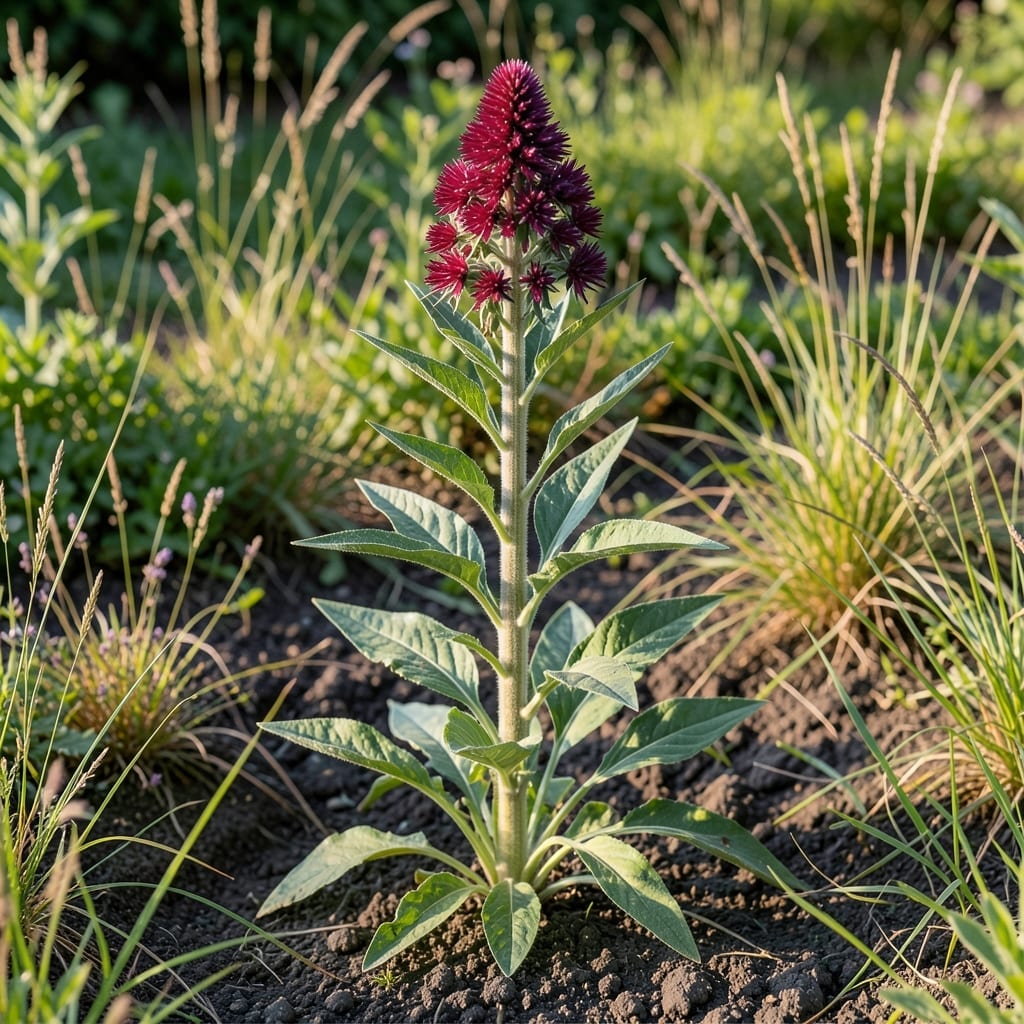
Amaranthus palmeri is generally not recommended for consumption due to potential toxicity from nitrates and oxalates, though some cultures use young leaves in moderation after proper preparation.
I’ve learned that the high nitrate content in this plant can be harmful, especially if consumed in large amounts or by those with sensitive digestive systems. Proper preparation, like thorough cooking and boiling, can reduce some risks, but caution is still advised. Some traditional practices involve multiple water changes to lower toxin levels. ⚡
💡 In This Article
The primary concern is its nitrate accumulation, which can convert to nitrites in the body, interfering with oxygen transport in the blood. This is particularly dangerous for infants and those with G6PD deficiency, as it can lead to methemoglobinemia—a condition where blood cannot carry sufficient oxygen.
The plant thrives in nitrogen-rich soils, often absorbing 10,000-20,000 ppm nitrates, far exceeding safe levels for human consumption. 🔥
Oxalates present another risk, binding with calcium to form kidney stones. Amaranthus palmeri contains 500-1500 mg oxalates per 100g of fresh leaves, comparable to spinach but with less consistent preparation methods. These compounds also inhibit calcium absorption, potentially leading to nutritional deficiencies over time. The plant’s anti-nutrients can further reduce mineral bioavailability. ✨
Young leaves contain lower concentrations of these compounds, which explains their occasional use in traditional cuisines. However, the nitrate-to-nitrite conversion can occur rapidly after harvesting, especially if the plant is wilted or stored improperly. This chemical process is accelerated by bacterial action, making freshness critical for any consumption consideration. 💫
Symptoms of toxicity typically appear within 2-6 hours of ingestion and may include nausea, vomiting, and shortness of breath. In severe cases, the skin may develop a bluish tint due to oxygen deprivation. The risk increases significantly with raw consumption or when eating mature plants, which concentrate more toxins in their stems and seeds. ⚡
Environmental factors play a crucial role in toxin levels. Plants growing in fertile, well-watered soils tend to accumulate more nitrates than those in drier conditions. Similarly, shaded plants may develop higher oxalate content as a defense mechanism. These variables make it nearly impossible to guarantee safe consumption without professional testing. 🌟
No, raw consumption is strongly discouraged. The nitrate content can cause serious health issues, especially for those with sensitivities. Always cook thoroughly to reduce risks.
Young leaves and shoots contain the lowest toxin levels. Avoid stems, seeds, and mature leaves, as these accumulate the most harmful compounds.
Use a double-boil method: blanch leaves in boiling water for 3-5 minutes, discard the water, then repeat. This removes many water-soluble toxins.
Symptoms may appear within 2-6 hours and include nausea, vomiting, or shortness of breath. Severe cases can cause a bluish skin tint.
Yes, consider commercially grown amaranth varieties like Amaranthus tricolor. These offer similar benefits with much lower risk.