
Beautiful Plants For Your Interior
Beautiful Plants For Your Interior
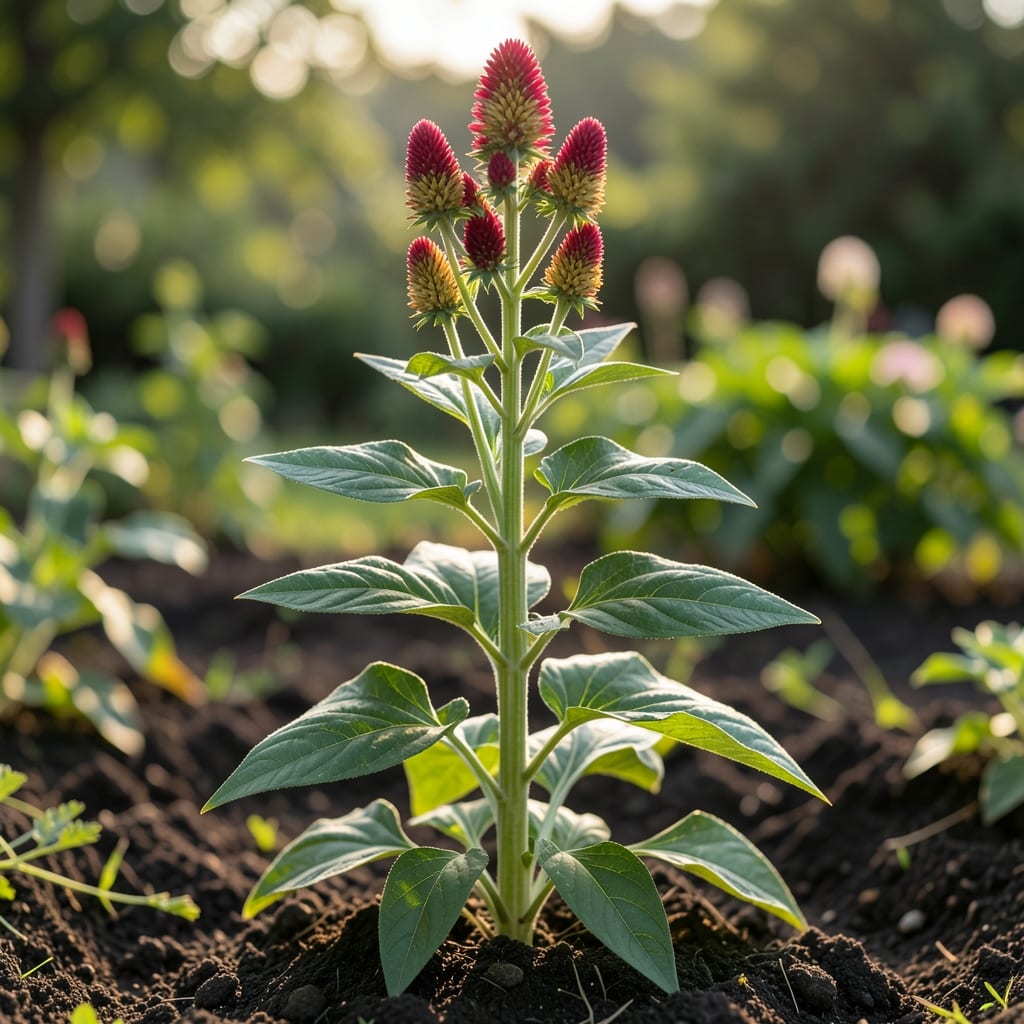
Amaranth is a deep reddish-purple color named after the vibrant amaranth plant. It symbolizes immortality and unfading beauty, often linked to eternal love and strength across cultures.
I love how this hue carries such rich history, from ancient Greek lore where it represented eternal life to its use in royal garments. Its depth often reminds me of twilight skies or ripe berries, making it perfect for bold artistic statements. The color’s ties to resilience make it especially meaningful in cultural ceremonies. ✨
In design, amaranth creates stunning contrasts with gold or emerald green, adding sophistication to any palette.
💡 In This Article
The name itself traces back to Greek mythology, where “amaranth” meant “unfading” or “eternal.” The ancient Greeks associated it with the amaranth flower, which retained its vibrant hue even after drying. This led to its symbolic connection with immortality and everlasting life, often used in wreaths for gods and heroes. 🔥
In Christian symbolism, amaranth took on religious significance as a representation of eternal love and divine grace. The deep reddish-purple shade was frequently used in ecclesiastical vestments and stained glass, where its richness conveyed sacred themes. Its durability as a dye made it a practical choice for such symbolic uses.
Royal courts also embraced amaranth for its association with nobility and power. The color’s depth and rarity in natural dyes made it a status symbol. Historical records show it was favored in 16th-century European court garments, where it signified both wealth and the wearer’s connection to divine right. ✨
Culturally, amaranth appears in literature and art as a metaphor for undying passion. Poets like John Milton used it to describe eternal beauty, while artists employed the pigment to create works that resisted fading. The color’s resilience under light exposure made it ideal for preserving artistic legacy.
Today, amaranth maintains its symbolic weight in modern contexts. It’s often chosen for wedding themes and anniversary celebrations to represent enduring love. Designers use it in branding to convey permanence and reliability, while florists select amaranth blooms for arrangements meant to last. 💫
It stems from Greek mythology, where “amaranth” meant unfading. The flower retained its vibrant hue even when dried, symbolizing eternal life in wreaths for gods and heroes.
Use it as an accent with gold or cream for elegance. Try amaranth throw pillows, curtains, or a feature wall to add depth and luxury.
Emerald green, ivory, and metallic gold create stunning contrasts. For a bold look, pair it with charcoal gray or navy blue.
It leans warm due to its red undertones, but the purple influence adds a cool balance. This duality makes it versatile for both warm and cool color schemes.