
Beautiful Plants For Your Interior
Beautiful Plants For Your Interior
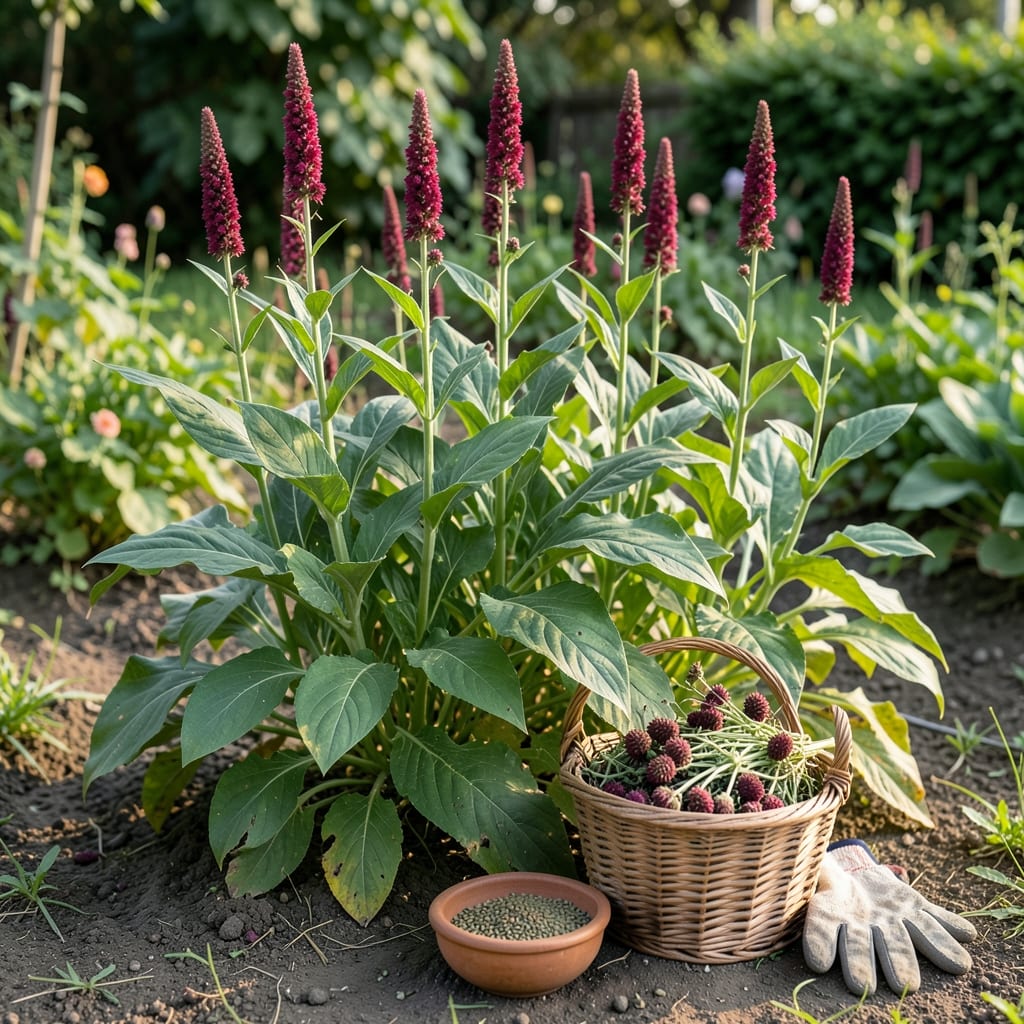
Yes, amaranth seeds are completely edible and highly nutritious, packed with protein, fiber, and minerals like iron and magnesium. They can be eaten raw, cooked, or sprouted.
I love how these tiny seeds pack such a nutritional punch—1 cup of cooked amaranth delivers 9 grams of protein and 38% of your daily iron needs. They’ve been a staple in traditional cuisines for centuries, particularly in Latin American and Asian dishes. The best part is their versatility in both sweet and savory recipes. ⚡
💡 In This Article
What makes amaranth seeds stand out is their complete protein profile, containing all 9 essential amino acids—rare for plant-based foods. This includes lysine at 130mg per 1/4 cup serving, which many grains lack. The protein content sits at 14% by weight, higher than wheat (12%) or rice (7%).
These seeds pack 5g of fiber per 1/4 cup uncooked, supporting digestive health. They’re also rich in micronutrients: 29% daily iron, 36% magnesium, and 42% manganese in just 1 cooked cup. Their gluten-free nature makes them ideal for those with celiac disease or gluten sensitivity.
Compared to quinoa, amaranth has 20% more calcium and 3x the iron. Unlike most grains, it contains squalene, a compound with antioxidant properties. The seeds also have a low glycemic index, helping maintain stable blood sugar levels. ✨
The fat content is primarily unsaturated (70% of total fat), including heart-healthy omega-3s. Amaranth’s phosphorus content (36% daily value per cup) supports bone health. Its zinc levels (21% DV) boost immune function.
What most don’t realize is amaranth’s high lysine content complements other plant proteins perfectly. Pair it with beans for a protein powerhouse. The seeds’ small size means nutrients are concentrated—just 1/4 cup uncooked yields 1 cup cooked. 🔥
You can eat them raw, but cooking improves digestibility. Toast in a dry pan for 2-3 minutes or boil with a 3:1 water ratio for 20-25 minutes for a porridge-like texture. Raw seeds may be harder to digest for some.
Amaranth is naturally gluten-free and safe for celiac patients. Its protein profile even complements other gluten-free grains well. Always check packaging for cross-contamination warnings.
Amaranth has 20% more calcium and 3x the iron of quinoa. Both are complete proteins, but amaranth contains squalene, a unique antioxidant. Their textures differ—amaranth is creamier when cooked.
Yes! Heat a dry skillet to medium-high, add 1-2 tablespoons of seeds, cover, and they’ll pop in 30-60 seconds. The result is a crunchy, nutty snack perfect for salads or yogurt.