
Beautiful Plants For Your Interior
Beautiful Plants For Your Interior
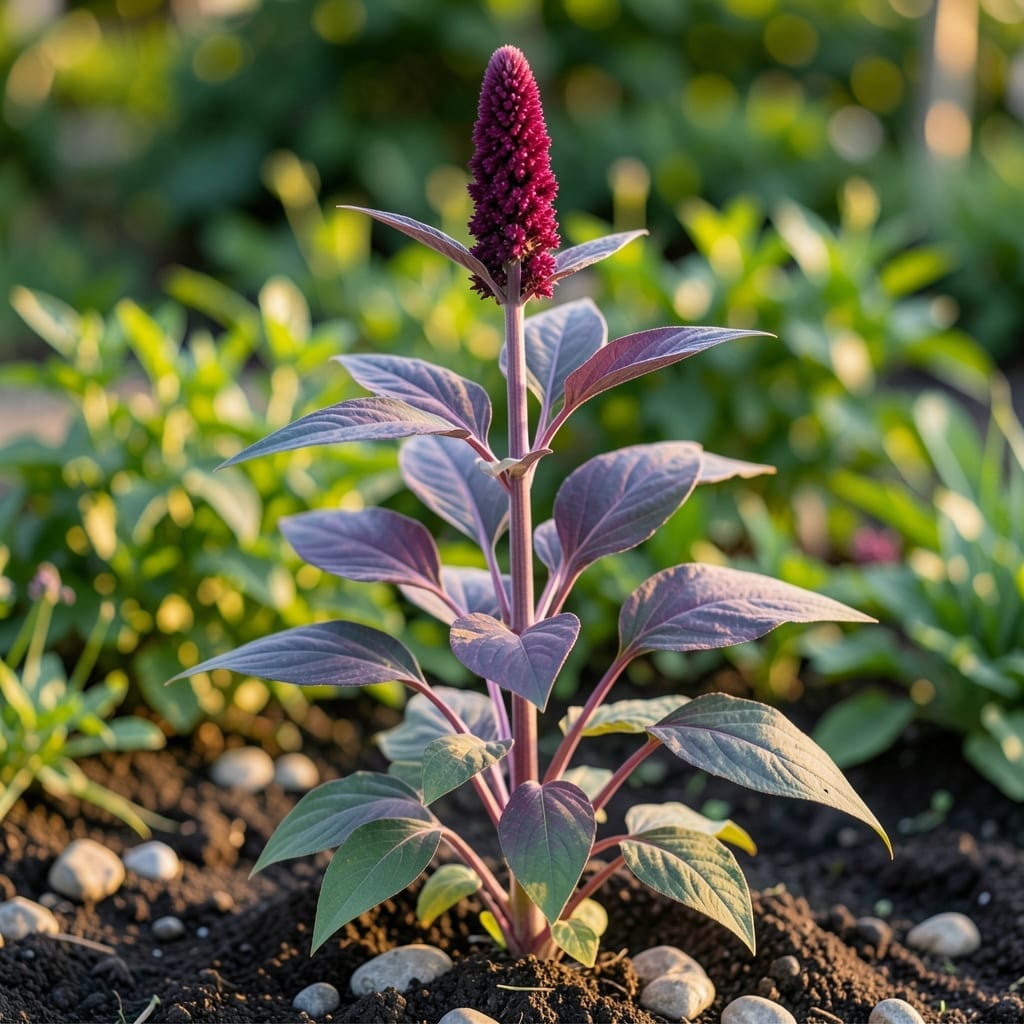
Deep purple amaranth leaves add shock value to any garden. I first planted these years ago and still get compliments every summer.
They grow fast in full sun with regular water, reaching 3-6 feet tall with bold, velvety foliage. Perfect for borders or as a dramatic focal point.
📚 In This Guide
Here’s the method I use to cultivate those stunning deep-purple leaves that turn any garden into a showstopper.
Choose a location with full sun—this plant thrives on at least 6-8 hours of direct light daily. I always test the soil first; work in 2-3 inches of compost to improve drainage, as amaranth hates soggy roots. The soil temperature should be consistently above 60°F before planting.
Remove weeds and break up clumps to create a smooth seedbed. I rake the surface lightly to ensure good seed-to-soil contact, which prevents uneven germination. The bed should feel loose and aerated when you press your hand into it.
Scatter seeds thinly over the prepared bed, then cover with a ¼ inch layer of fine soil. Amaranth seeds are tiny, so I mix them with a handful of sand to spread more evenly. Press the soil gently to secure the seeds but don’t compact it.
Water lightly using a fine spray to avoid displacing seeds. You’ll see germination in 7-10 days when the soil stays consistently moist but not waterlogged. If birds are a problem, cover the area with netting until sprouts appear.
Once seedlings reach 2-3 inches tall, thin them to 12-18 inches apart. Crowded plants produce weak stems and pale leaves. I use small scissors to snip unwanted seedlings at soil level rather than pulling, which disturbs the roots of remaining plants.
After thinning, water deeply to help the remaining seedlings recover. You’ll notice the purple foliage deepen as plants mature and get more sun. Keep the soil evenly moist during the first 3-4 weeks to establish strong roots.
Amaranth is drought-tolerant once established, but consistent moisture keeps the purple leaves vibrant. I water when the top 1 inch of soil feels dry, aiming for about 1 inch of water weekly. Mulch around plants with 2 inches of organic material to retain moisture and suppress weeds.
Fertilize lightly with a balanced fertilizer every 4-6 weeks—too much nitrogen promotes green growth over the desired purple. Watch for leaves that lose their deep color, which signals it’s time to adjust your care routine.
Begin harvesting outer leaves when plants are 6-8 inches tall, taking no more than one-third of the foliage at a time. This encourages bushier growth and more purple leaves. I use clean, sharp shears to make cuts just above a leaf node.
Regular harvesting prevents the plant from going to seed too early, which can reduce leaf production. You’ll see new growth within 5-7 days after cutting. The more you harvest, the more the plant pushes out those stunning purple leaves.
These insights will help you cultivate the deepest purple foliage with minimal effort.
The Sun Factor: In Step 1, that requirement for 6-8 hours of full sun isn’t just a suggestion—it’s essential for maintaining vibrant purple color. I learned this the hard way when my first batch grew pale in partial shade. The more direct light, the richer the hue.
Soil Temperature Secret: Don’t rush planting just because the calendar says it’s time. The soil temperature must stay consistently above 60°F as mentioned in Step 1, or your seeds may rot rather than germinate. A soil thermometer is worth the investment here.
Thinning Technique: When you reach Step 3 and seedlings hit 2-3 inches tall, use scissors to thin rather than pulling. I disturbed an entire row of seedlings once by pulling, and the survivors never recovered properly. Snip at soil level to protect the roots of the plants you keep.
Harvesting Strategy: In Step 5, that one-third foliage limit when harvesting isn’t arbitrary. Taking more stresses the plant and can trigger premature seeding. I’ve found that plants harvested regularly at this ratio actually produce more overall than those left unharvested.
Amaranth leaves develop purple hues due to anthocyanins, pigments triggered by sunlight, cooler temperatures, or slight stress. This natural color change enhances their ornamental appeal while keeping the plant healthy.
Plant after the last frost when soil temps reach 60°F (15°C). They thrive in warm weather, so late spring to early summer is ideal for vibrant foliage growth.
Yes! Purple amaranth leaves are edible and nutritious, rich in vitamins and antioxidants. Harvest young leaves for salads or cooking, as mature ones may turn bitter.
Ensure full sun (6+ hours daily) and well-draining soil. Overwatering or excessive shade can dull the purple color. A balanced fertilizer helps maintain vivid foliage.
Try ‘Red Garnet’ amaranth, Swiss chard ‘Bright Lights,’ or ornamental kale for similar colorful foliage. Each offers unique textures and shades for garden variety.