
Beautiful Plants For Your Interior
Beautiful Plants For Your Interior
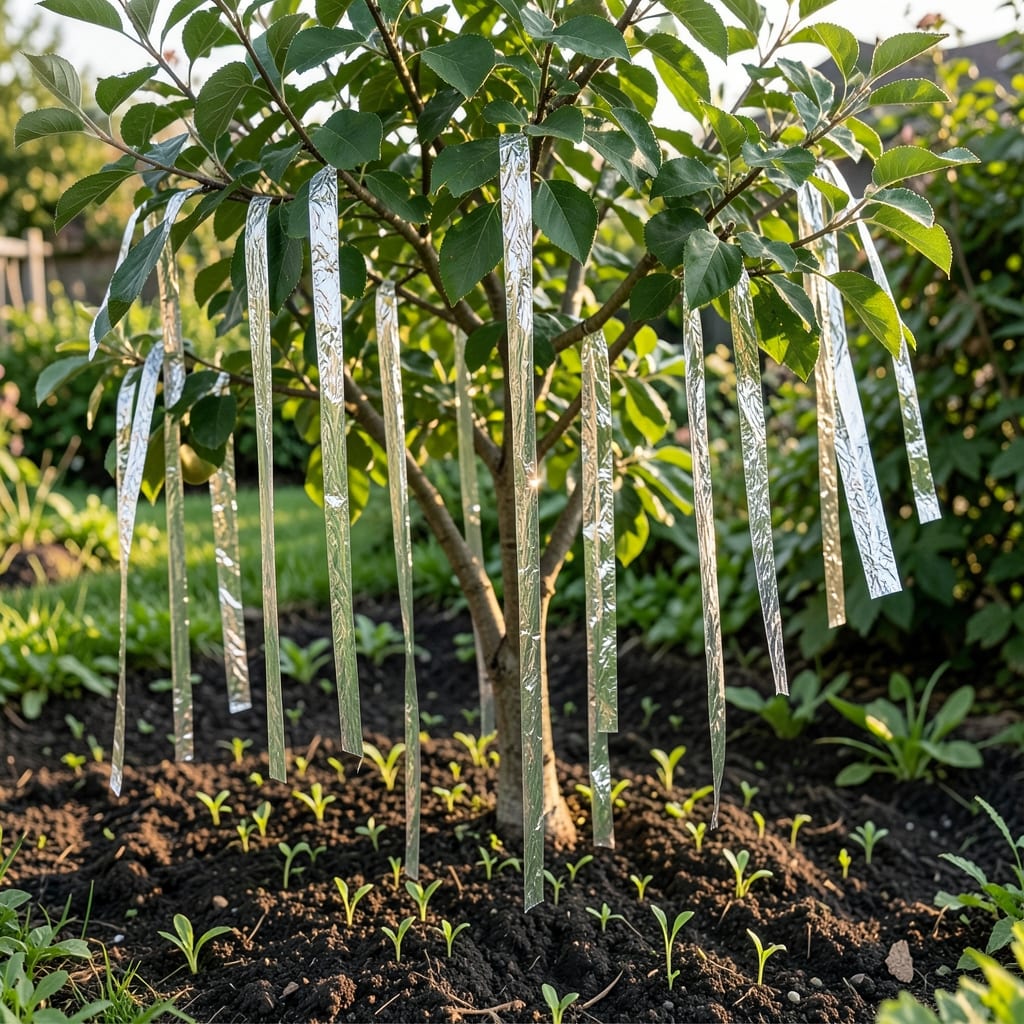
Aluminum foil deters birds from gardens by creating light reflections and unfamiliar textures that scare them away without harm. It’s a cheap, chemical-free method for protecting plants and seeds.
I’ve seen this work firsthand in my own garden—birds get spooked by the sudden flashes of light and the odd crinkly feel under their feet. Hanging strips or laying sheets near vulnerable areas creates an effective barrier. The method is particularly useful for seedlings and ripening fruits that attract persistent pests. 🌟
💡 In This Article
The mechanism works on two sensory levels: visual and tactile. Birds have highly developed eyesight that detects the sudden, erratic light reflections from foil as potential threats. These flashes mimic the warning signals of predators or dangerous environmental changes in nature, triggering their instinct to flee.
Studies show birds like sparrows and robins react most strongly to moving reflections. A 2×2 foot sheet can create enough flickering light across 10-15 feet when caught by a gentle breeze. The unpredictable nature of these light patterns keeps birds on edge, as they can’t determine if the source is safe or dangerous. ✨
Physically, the texture of foil creates discomfort. Bird feet are extremely sensitive to unfamiliar surfaces. The smooth yet crinkly quality of aluminum foil feels unstable and alien to them, similar to how we’d react to walking on shifting, noisy ground. This combines with the visual disturbance to create a powerful deterrent.
Effectiveness varies by species. Pigeons and crows, being more intelligent, may eventually ignore the foil if they realize it’s harmless. However, smaller songbirds and seed-eating varieties typically avoid treated areas entirely. The method works best when combined with other deterrents like scarecrows or wind chimes. 🔥
Timing matters for maximum impact. Birds are most active at dawn and dusk, when light angles create the most dramatic reflections. Positioning foil to catch these low-angle rays increases its effectiveness during peak feeding times, when your garden is most vulnerable to bird damage.
It’s most effective on smaller birds like sparrows and robins. Larger, more intelligent species like crows or pigeons may eventually ignore it. Combining with other deterrents works best for stubborn birds.
Foil stays effective for 2-4 weeks before birds may become accustomed. Refresh by repositioning strips or adding new ones. Clean foil occasionally to maintain maximum reflectivity.
Yes, aluminum foil is completely safe for edible gardens. It’s chemical-free and non-toxic. Just ensure it doesn’t block sunlight from reaching your plants for extended periods.
Install during morning or late afternoon when birds are most active. Position strips to catch low-angle sunlight at dawn and dusk for maximum reflection effect.
No, this is a harmless deterrent that only startles birds temporarily. The method relies on visual and tactile discomfort rather than causing any physical harm.