
Beautiful Plants For Your Interior
Beautiful Plants For Your Interior
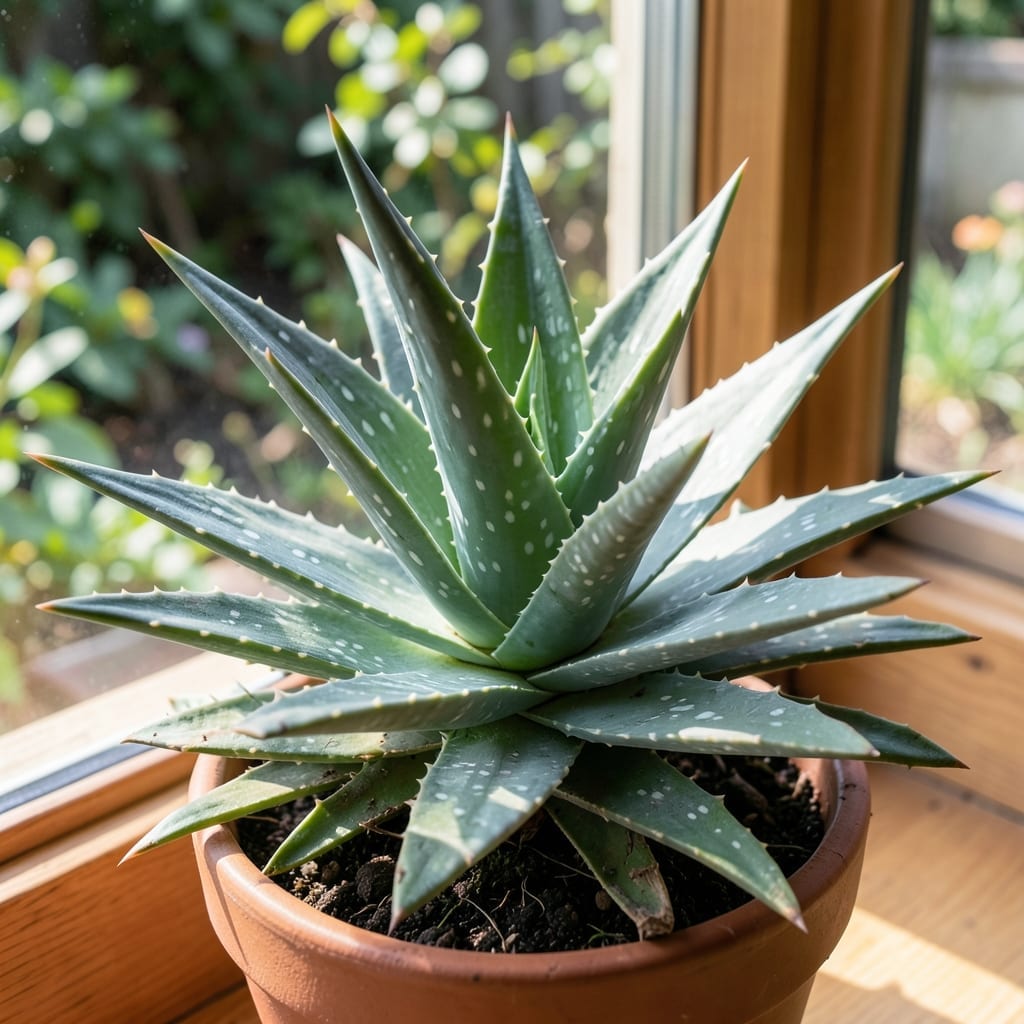
Aloe vera thrives in USDA hardiness zones 9 through 11, where temperatures rarely drop below 25°F. It prefers warm, dry climates and cannot tolerate frost or prolonged cold.
I’ve found this succulent does best where winters stay mild, as its gel-filled leaves aren’t built for freezing conditions. 🌵 In cooler areas, you can still grow it in pots and bring it inside when temperatures dip below 25°F. What’s fascinating is how its natural habitat in arid regions shapes these needs—it stores water efficiently but struggles in damp or cold environments.
💡 In This Article
Aloe vera’s water-storing leaves are its survival superpower. These thick, gel-filled structures evolved to thrive in arid, desert-like conditions, where rainfall is sparse and temperatures soar. The plant’s ability to retain moisture comes from specialized cells that expand to hold water, but this adaptation makes it vulnerable to cold damage. 🔥
When temperatures drop below 25°F, the water inside aloe vera’s leaves can freeze, causing the cell walls to rupture. This process, called frost damage, turns the once-plump leaves into mushy, discolored tissue. Unlike cold-hardy plants, aloe vera lacks the protective mechanisms to prevent ice crystal formation within its cells.
Even brief exposure to frost can be fatal.
The plant’s native habitat in regions like the Arabian Peninsula and North Africa reinforces its need for warmth. In these areas, temperatures rarely dip below 50°F, and humidity stays low. This environment allows aloe vera to focus on growth and gel production rather than surviving cold stress.
The plant’s metabolism slows dramatically in cooler conditions, stunting its development.
Another key factor is sunlight. Aloe vera requires bright, direct light for 6-8 hours daily to maintain its health and vibrant green color. In cooler zones, reduced sunlight during winter months can further weaken the plant.
This combination of cold sensitivity and light dependency explains why it thrives best in USDA zones 9-11, where these conditions align perfectly. ✨
Even in warm zones, poor drainage or excessive moisture can mimic cold stress by causing root rot. The plant’s roots are adapted to dry, sandy soils, and sitting in waterlogged conditions can suffocate them. This is why well-draining soil and containers with drainage holes are non-negotiable, regardless of the growing zone.
Below 25°F, water in its leaves freezes and ruptures cell walls. This causes mushy, discolored leaves and can kill the plant. Even 30-40°F can stunt growth and damage health.
Yes! Use a south-facing window or grow lights for 6-8 hours of bright light daily. Keep temperatures between 55-75°F and reduce watering in winter.
Use a well-draining cactus mix and containers with drainage holes. Aloe vera’s roots rot in soggy soil, so sandy, arid conditions are essential.
Aloe aristata and Aloe brevifolia handle brief dips to 20°F if kept dry. These compact options work well in containers for cooler zones.