
Beautiful Plants For Your Interior
Beautiful Plants For Your Interior
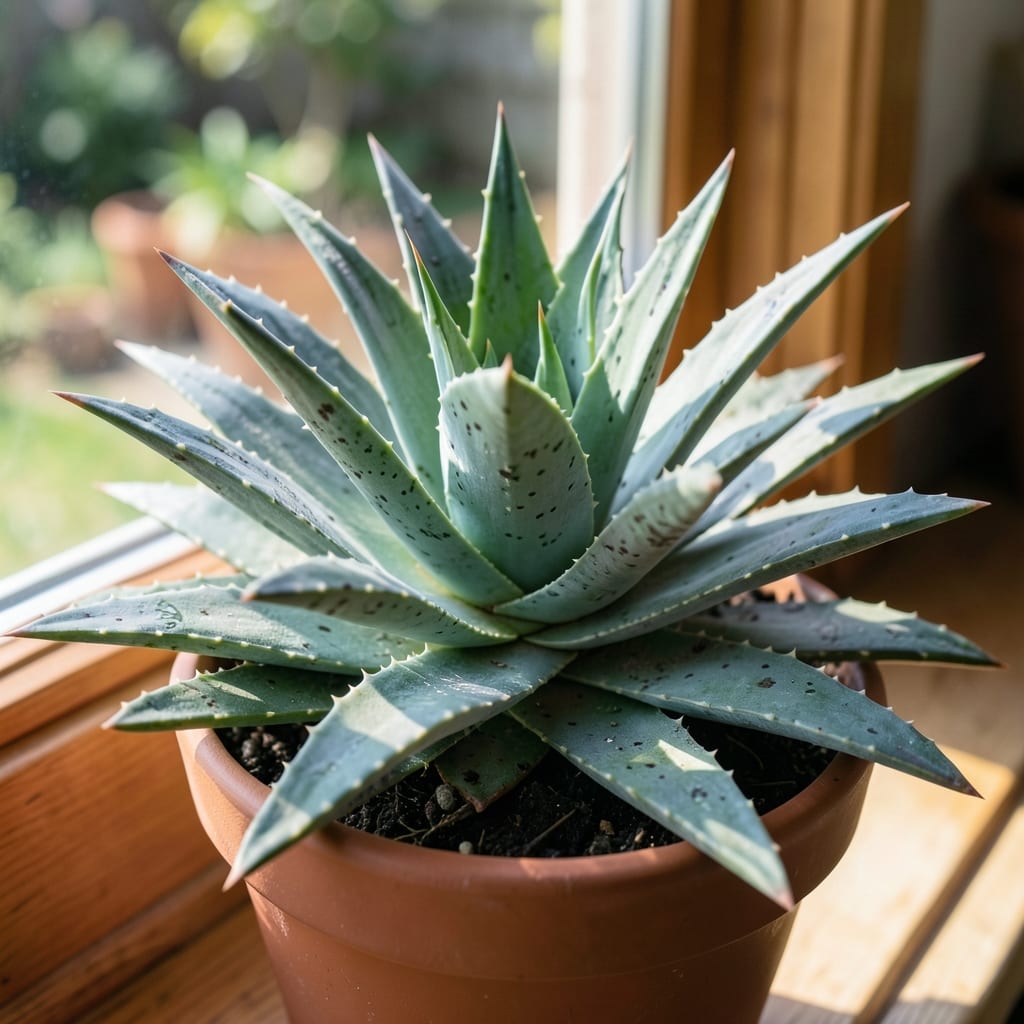
Those dark spots on your aloe vera aren’t just unsightly—they’re your plant’s way of sounding the alarm. I learned the hard way that overwatering is the usual suspect, but fungal infections and pests can also leave their mark.
Here’s the thing—aloe vera thrives on neglect, not attention. Too much water, and the roots suffocate. Too little light, and the leaves stretch and weaken. The first step is figuring out what your plant is trying to tell you.
Once you identify the cause, the fix is often simple: adjust your care routine, improve drainage, or treat with a natural remedy. Within a few weeks, you’ll see new, healthy growth pushing through.
Prevention is easier than cure. A little observation and the right conditions keep your aloe vera looking its best, with clear, vibrant leaves.
Dark spots on the skin after using aloe vera can be puzzling, but they often stem from a few key causes. Understanding these triggers helps you adjust your skincare routine and prevent future discoloration.
Sunlight triggers melanin production, and aloe vera alone doesn’t provide sufficient UV protection. When exposed to UV rays, skin cells produce more melanin as a defense, leading to dark patches—especially if you apply aloe and then go outside without sunscreen.
Aloe vera is generally gentle, but it can react with certain chemicals in other products. For example, combining it with retinoids, acids (like salicylic or glycolic), or essential oils may cause irritation, prompting the skin to darken as it heals.
Some people experience contact dermatitis from compounds in aloe (like aloin or anthraquinones). Inflammation from irritation or allergies can trigger post-inflammatory hyperpigmentation (PIH), leaving behind dark marks once the skin recovers.
Using unpurified or oxidized aloe (turned brown/yellow) introduces impurities that may irritate the skin. Additionally, applying aloe to open wounds or broken skin can disrupt healing and increase the risk of discoloration.
Dark spots from aloe vera can be frustrating, but these simple, natural solutions can help restore your skin’s even tone. Target the root causes with these easy fixes and prevention tips.
If sun exposure worsened your dark spots, apply aloe vera gel with SPF 30+ during the day. Aloe soothes while sunscreen prevents further damage. For existing spots, use vitamin C serums to brighten skin. Reapply sunscreen every 2 hours when outdoors.
Prevention tip: 💡 Wear a wide-brimmed hat and seek shade between 10 AM and 4 PM.
For irritation or allergic reactions, stop using aloe vera immediately. Switch to a gentle, fragrance-free moisturizer and apply cool compresses to reduce inflammation. Use over-the-counter hydrocortisone cream for stubborn redness or itching.
Prevention tip: ✨ Patch-test aloe products on a small skin area before full application.
Using too much aloe or low-quality products can clog pores and darken skin. Limit aloe vera gel to 2-3 times weekly and choose 100% pure, organic aloe without additives. Cleanse your face thoroughly after application to avoid residue buildup.
Prevention tip: 🎯 Store aloe gel in the fridge to preserve freshness and boost soothing effects.
To fade persistent dark spots, exfoliate 1-2 times a week with a mild lactic acid or mandelic acid toner. This removes dead skin cells and speeds up cell turnover. Follow with a niacinamide serum to even out skin tone.
Prevention tip: 🌡️ Avoid harsh scrubs—opt for chemical exfoliants to prevent micro-tears.
With consistent care, your skin can heal and regain its natural glow. Stick to these steps, and you’ll see visible improvements in just a few weeks!
With proper care, dark spots typically fade within 4-8 weeks. Consistency is key—stick to sun protection and gentle exfoliation to speed up the process.
Daily use isn’t recommended. Limit aloe vera to 2-3 times weekly to avoid irritation. Always patch-test new products and use 100% pure aloe.
Stop using aloe immediately and switch to a fragrance-free moisturizer. Apply cool compresses and use hydrocortisone cream for redness or itching.