
Beautiful Plants For Your Interior
Beautiful Plants For Your Interior
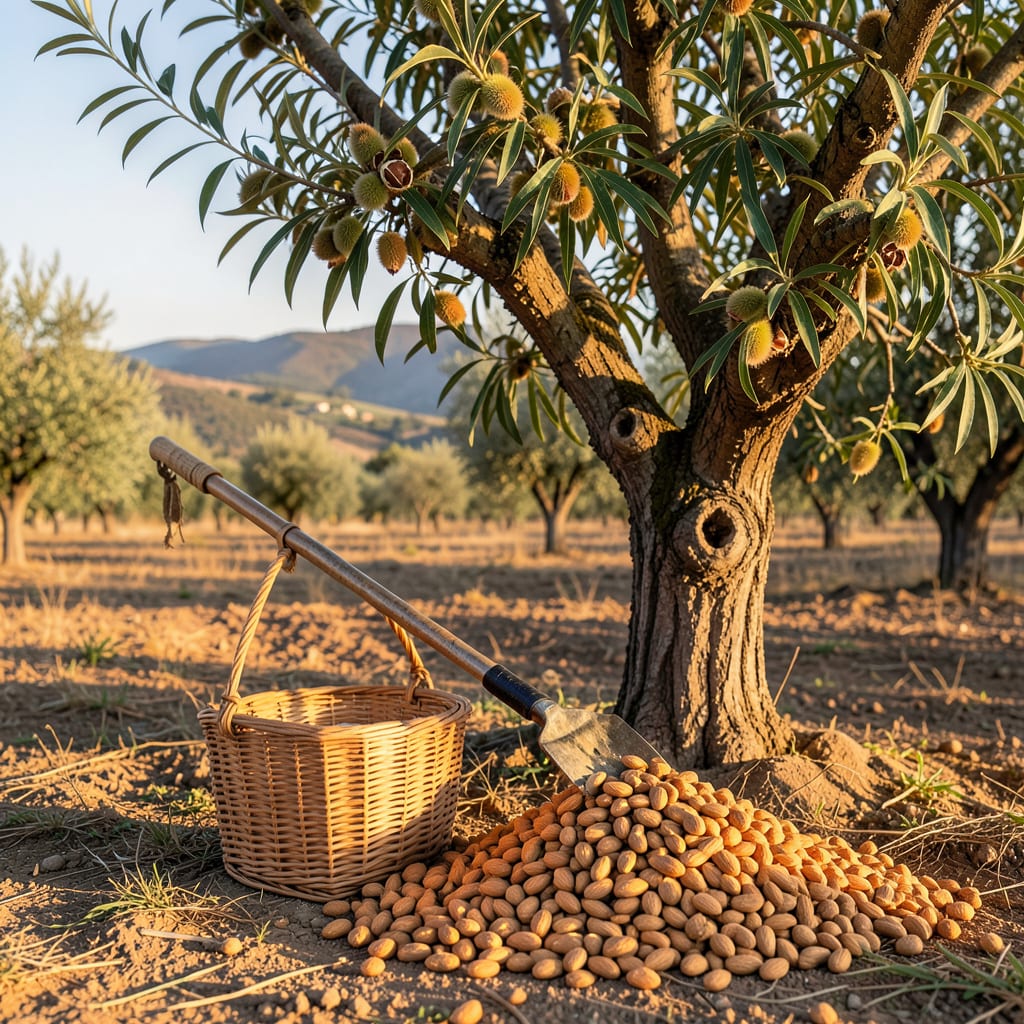
That moment when you see the 🌳 Almond Tree hulls beginning to split is pure magic. It means your patience is about to pay off with a bountiful harvest.
I’ll show you how to identify the perfect picking window and share pro tips to ensure your almonds are at their peak flavor and quality.


Timing your almond tree harvest perfectly depends on both the variety you’re growing and your local climate. Early-season types like Nonpareil often ripen in late August, while late varieties may hold on until October. 🌳
I’ve found that USDA zones 5-9 see the most variation, with warmer regions harvesting 2-3 weeks earlier than cooler areas. The key is watching for those first hull splits, not just the calendar. 🌿
| Variety | Harvest Window | Growing Zones |
|---|---|---|
| Nonpareil | Late August | 7-9 |
| Monterey | Early September | 5-9 |
| Butte | Mid September | 6-9 |
| Carmel | Late September | 7-9 |
In my experience, drought conditions can accelerate ripening by 1-2 weeks, while excessive rain might delay it. The hull splitting is your most reliable indicator—more accurate than any date range. ✂️
For home growers, I recommend checking trees daily once you hit your expected window. A single tree can have varied ripening across its branches, with sun-exposed nuts maturing first.
The kernel color inside is another tell—mature almonds shift from white to cream as they dry. If you’re seeing green kernels, they’re not ready, no matter how open the hulls appear.
I’ve noticed that younger trees (under 5 years) often produce nuts that ripen unevenly. Don’t be surprised if you’re harvesting in multiple passes during your first few years.
In cooler zones like 5-6, watch for early frosts that can damage late-ripening varieties. Consider planting early-season types if your growing season is short.
Remember that commercial growers often harvest earlier than home gardeners to prevent losses from bird damage or weather. For maximum flavor, I wait until at least 80% of hulls are fully split. 🌳
Finally, keep notes each year about your harvest dates and weather patterns. This personal data becomes more valuable than any general guideline as you gain experience with your specific trees.
I always look for the first hull split as my initial sign that almond harvest time is near. This typically starts at the top of the tree, where sunlight is most intense. 🌳
The sound test is my favorite trick—gently shake a branch and listen for a rattle inside the hulls. That dry sound means the nuts are loosening from the shell.
I’ve made the mistake of harvesting too early when hulls were just beginning to split. Those almonds were bitter and shrank during drying. Now I wait until at least 75% of hulls are fully open. ✂️
Check the underside of branches too—these areas often ripen last. A magnifying glass helps spot the subtle color change in the kernel from immature white to mature cream.
Moisture is the enemy of storage, so I test a few nuts by cracking them open. If the kernel snaps cleanly rather than bending, they’re ready. Any flex means they need more drying time on the tree.
In humid climates, I’ve found that morning harvesting works best, as dew helps prevent hulls from sticking. Always collect nuts promptly to avoid mold growth from overnight moisture. 🌿
Harvesting almond trees at home requires patience and the right tools. I start by gathering a long-handled pole or mechanical shaker for taller trees, plus tarps to catch falling nuts. 🌳
Begin by testing a few branches—if most hulls split easily, it’s time. I gently shake each branch, working from the top down, allowing nuts to fall onto the tarps below.
⚠️ Warning: Never harvest wet nuts—moisture leads to mold growth during storage. Always pick on dry, sunny days and spread nuts in a single layer to dry further.
After collection, I spread the nuts in a well-ventilated area for 7-10 days to complete drying. Stir them daily to ensure even airflow and prevent any moisture buildup. ✂️
Once fully dry, I remove the hulls by hand or with a rubber mallet. Store the nuts in mesh bags or breathable containers in a cool, dry place to maintain freshness.
For best results, I check stored almonds weekly for signs of spoilage or pests. Proper drying and storage can keep your harvest fresh for up to a year. 🌿
Look for hulls that are completely open, revealing the hard brown shell inside. The split should be wide enough to see the nut without forcing it.
Picking before the kernel dries results in bitter, shrunken nuts. Underripe almonds also won’t store well and may develop mold during drying.
No, always wait for dry conditions. Wet nuts stick together and are prone to mold. Morning harvesting works best in humid climates.
Spread them in a single layer for 7-10 days in a well-ventilated area. Stir daily to ensure even airflow and prevent moisture buildup.
