
Beautiful Plants For Your Interior
Beautiful Plants For Your Interior
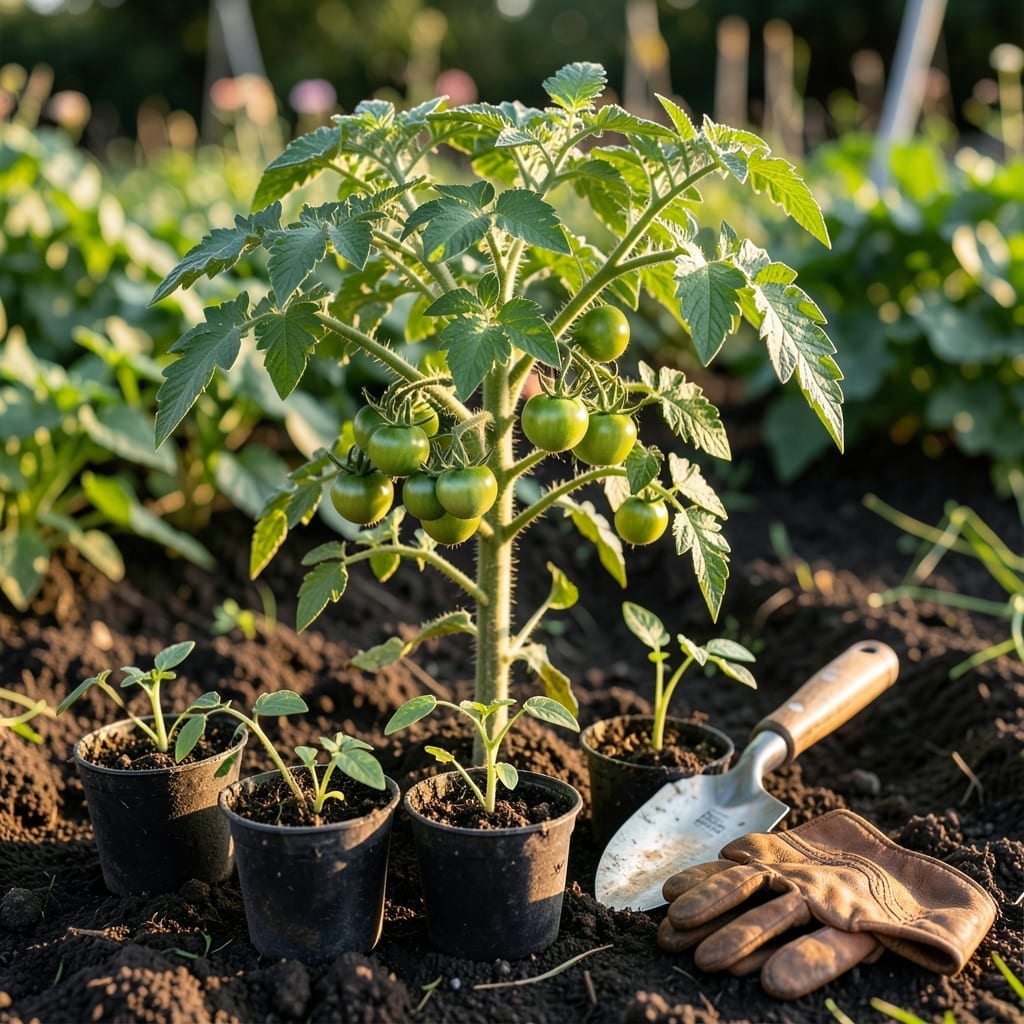
Timing is everything in gardening, and almanac planting times offer the secret to maximizing your harvest. Whether you’re planting the General Planting Guide 🌱 or other favorites, knowing the right seasonal windows can mean the difference between success and disappointment.
I’ve seen firsthand how following these traditional schedules transforms gardens. The right timing aligns your planting with nature’s rhythms, giving your plants the best possible start in zone 6.
From the March – May planting window to the June – October harvest season, each phase matters. Discover how to work with these natural cycles rather than against them.
Learn how to make the most of each growing season with time-tested almanac wisdom. Your most bountiful harvest yet might be just one well-timed planting away.
I’ve found that almanac planting times are the backbone of successful gardening. They help you sync your efforts with nature’s rhythms, ensuring plants thrive in their ideal conditions. Each USDA hardiness zone has unique frost dates that dictate when to sow.
For example, in Zone 6, the last frost typically hits around April 15, so warm-season crops like tomatoes and peppers should wait until then. Cool-season veggies like lettuce and spinach can go in earlier, as they tolerate light frosts.
| Zone | Last Frost | First Frost | Planting Window |
|---|---|---|---|
| Zone 5 | May 1 | Oct 10 | Mid-May to June |
| Zone 6 | April 15 | Oct 15 | March to May |
| Zone 7 | April 1 | Nov 1 | February to April |
In Zone 7, gardeners enjoy a longer season, with the first frost arriving around November 1. This allows for a second planting of cool crops like kale and carrots in late summer for a fall harvest.
Soil temperature is another critical factor. Tomatoes and peppers need soil temps above 60°F to germinate. I always use a soil thermometer to check before planting. Cool crops like peas can handle 40°F soil, making them ideal for early spring.
Microclimates also play a role. A south-facing wall or urban heat island can create pockets where the season starts earlier. I’ve seen dwarf fruit trees bloom weeks ahead in such spots. Always observe your garden’s unique conditions.
Almanacs often reference moon phases too. Some gardeners swear by planting root crops during a waning moon and above-ground crops in a waxing moon. While not scientifically proven, it’s a fun tradition to try.
For perennials and shrubs, fall planting can be ideal. The cool temps reduce stress, and autumn rains help establish roots before winter. I’ve had great success with fall-planted garlic and asparagus crowns.
Don’t forget succession planting. In Zone 6, I plant radishes every 2 weeks from early spring to fall for a continuous harvest. Fast growers like lettuce and spinach are perfect for this method.
Finally, always keep a garden journal. Note your planting dates, weather patterns, and harvest results. Over time, you’ll refine your schedule to match your garden’s perfect rhythm.
With practice, you’ll master the art of almanac planting times and enjoy bountiful harvests year after year 🌱
I always check almanac planting times to know what to grow each season. Spring is perfect for cool-weather crops like lettuce, spinach, and peas that thrive in mild temperatures before summer heat arrives.
As temperatures rise, summer becomes ideal for heat-loving plants like tomatoes, peppers, and cucumbers. These need warm soil and plenty of sun to produce their best harvests 🌱
For fall planting, I focus on fast-maturing varieties like radishes, kale, and carrots. These can often be harvested before the first hard frost if planted at the right time.
Winter doesn’t mean your garden has to be bare. I use this time for cover crops like clover or rye to improve soil health and prevent erosion during the off-season.
Succession planting is my secret to continuous harvests. After harvesting early spring crops, I immediately plant another round of quick-growing vegetables like bush beans or beets.
Remember, these are general guidelines. Always adjust based on your local climate and specific microclimates in your garden. I’ve found that keeping a garden journal helps track what works best in my area 🌿