
Beautiful Plants For Your Interior
Beautiful Plants For Your Interior
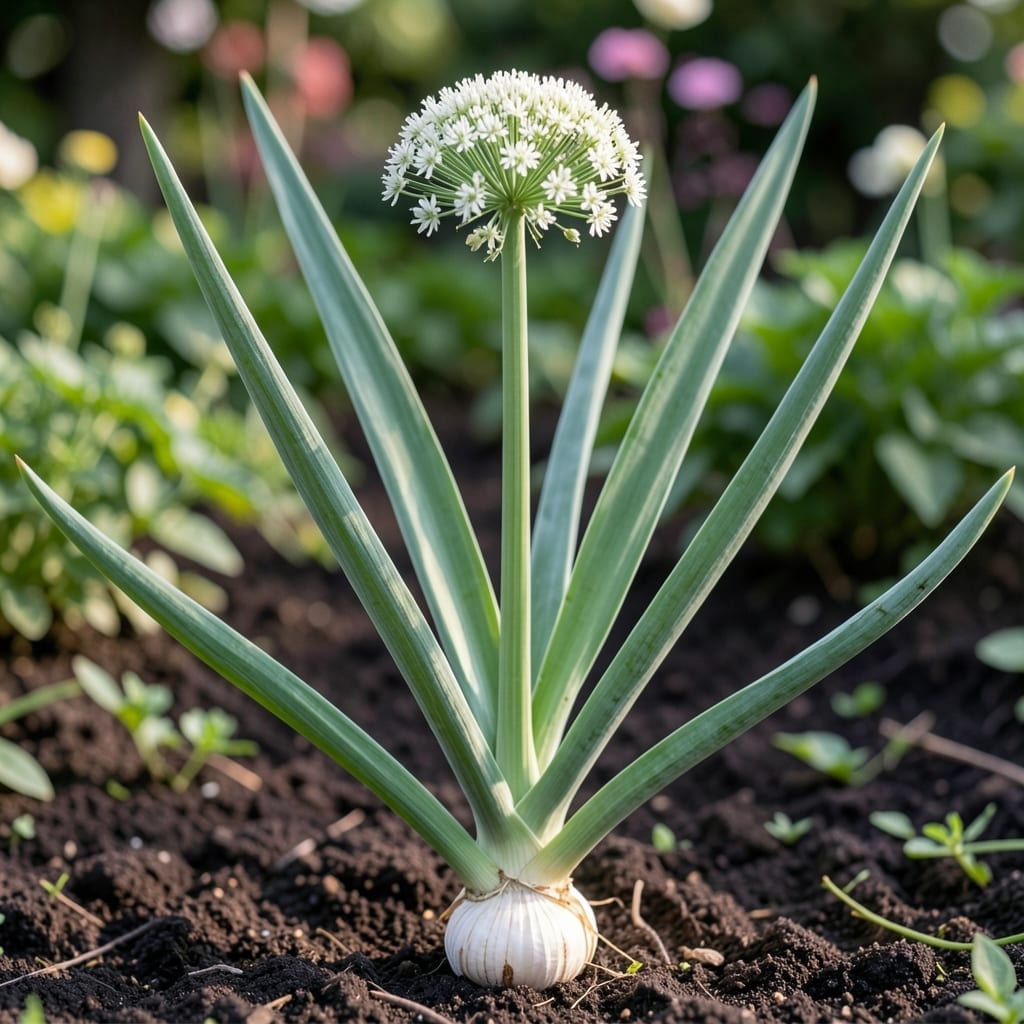
Alliums add dramatic height and color to gardens, but their success hinges on one critical factor: light exposure. Whether you’re planting ornamental onions or edible varieties, getting this right is half the battle.
The 🧄 Allium thrives in different conditions depending on the variety. Some love basking in full sun, while others prefer the gentle touch of partial shade. This balance can make or break your garden’s vibrancy.
I’ll walk you through what each type needs so you can create the perfect environment. Let’s ensure your Alliums don’t just grow—they flourish.
 Best Window Placement
Most allium varieties thrive in full sun, which means 6+ hours of direct sunlight daily. This is especially true for ornamental alliums like the giant Allium giganteum.
For these sun-loving plants, more light equals bigger blooms and stronger stems. However, some edible alliums like chives or garlic chives can tolerate partial shade.
| Variety | Ideal Light | Bloom Impact |
|---|---|---|
| Allium giganteum | Full sun | Largest blooms |
| Allium roseum | Full to partial sun | Moderate blooms |
| Chives | Partial shade | Smaller but frequent |
| Garlic chives | Partial sun | Consistent blooms |
In my experience, alliums in full sun produce the most vibrant colors and tallest stems. The purple globes of ‘Globemaster’ can reach 4 feet with enough light.
For shadier gardens, stick to chives or nodding onion. These adapt well to 3-4 hours of sunlight and still produce blooms, though less dramatically.
Soil plays a role too. Well-draining soil is crucial regardless of light. In hot climates, even sun-loving alliums may need afternoon shade to prevent scorching.
I’ve seen alliums struggle in deep shade. They become leggy and weak, with fewer flowers. If your garden lacks sun, consider container planting to move pots to sunnier spots.
Remember, morning sun is best. It dries dew quickly, reducing fungal risks. In cooler climates, alliums can handle more direct light without stress.
For optimal growth, pair full sun with moderate watering. Overwatering in shade can lead to root rot, so adjust your care routine based on light conditions.
By matching allium varieties to your garden’s light, you’ll ensure healthy plants and stunning displays year after year. ☀️
Choosing the right allium for your garden’s light conditions can transform your space. Some ornamental alliums demand full sun, while others flourish in partial shade with ease.
For sun-drenched gardens, varieties like Allium schubertii and Globemaster are stars. They thrive with 6+ hours of direct sunlight and reward you with spectacular blooms.
| Light Condition | Best Varieties | Care Tips |
|---|---|---|
| Full Sun | Globemaster, Purple Sensation | Well-draining soil, water weekly |
| Partial Shade | Chives, Nodding Onion | Moderate moisture, morning sun |
| Deep Shade | Garlic Chives, Ramsey | Rich soil, avoid waterlogging |
In partial shade, chives and garlic chives are my go-to choices. They manage well with 3-4 hours of sunlight and keep producing edible leaves and delicate flowers.
For deep shade, consider Allium ursinum (wild garlic). It’s one of the few that tolerates low light while still spreading nicely. Just ensure the soil stays moist but not soggy.
If your garden has dappled sunlight, Allium roseum is perfect. Its pink flowers add charm without needing constant sun. I’ve found it’s quite low-maintenance in such spots.
Remember, even shade-tolerant alliums need some light. Without it, they may grow tall and spindly with fewer blooms. A little sunlight goes a long way!
🌷