
Beautiful Plants For Your Interior
Beautiful Plants For Your Interior
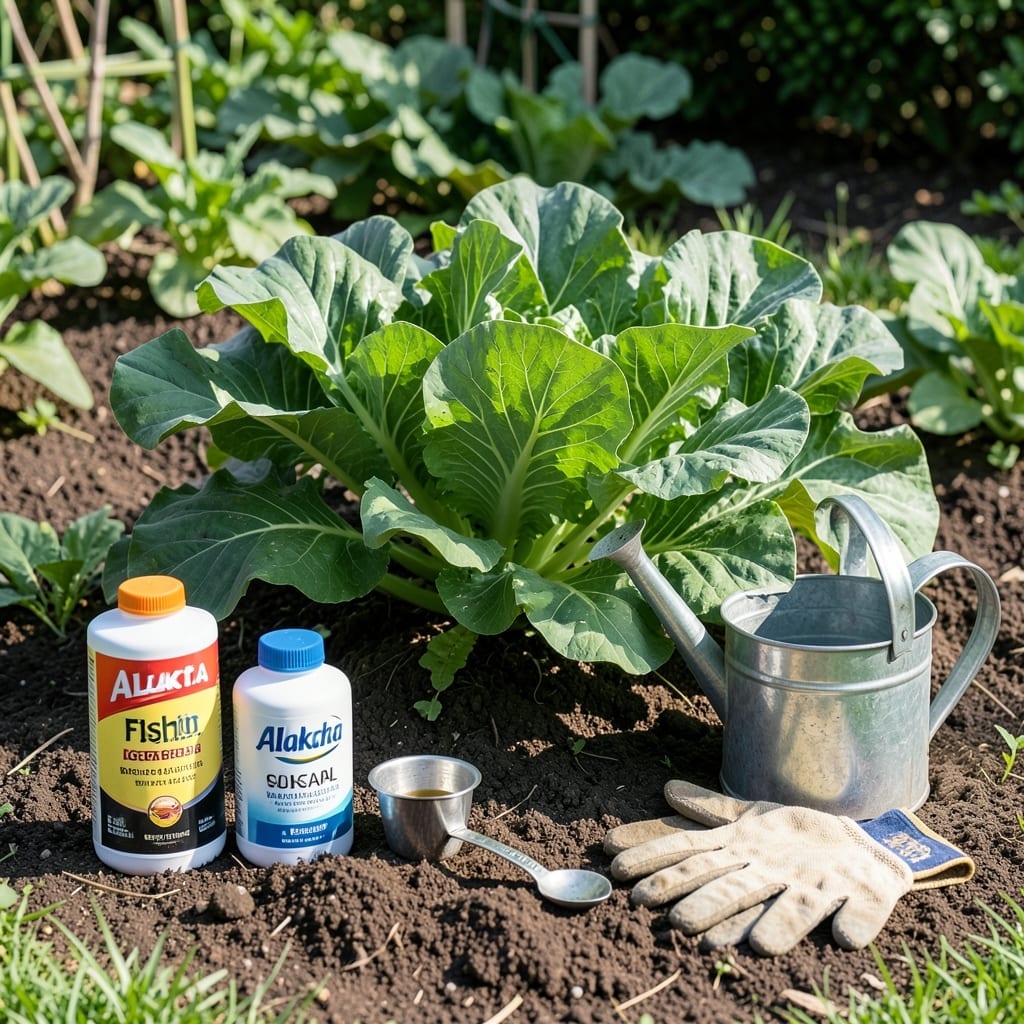
Unlock your garden’s full potential with a perfectly timed feeding schedule. Alaska’s unique climate demands a smarter approach to fertilization for thriving General Garden Plants 🌱.
I’ve discovered that this organic powerhouse delivers essential nutrients, but timing is everything. Whether you’re growing vegetables or flowers, getting the schedule right makes all the difference.
Let me show you how to harness the power of fish fertilizer for lush, healthy growth. The key lies in understanding when and how much to apply.
Discover the seasonal secrets that will transform your garden from ordinary to extraordinary in zones 1a-7b.
I’ve found that Alaska Fish Fertilizer works wonders for most plants, but the key is matching the feeding schedule to your plant’s growth stage and type. This organic 5-1-1 NPK formula is packed with nitrogen for leafy growth, but timing matters just as much as the nutrients.
Whether you’re growing vegetables, flowers, or shrubs, a seasonal approach ensures you’re not over- or under-feeding. Below, I’ve compiled a practical chart to simplify the process for you. 🌱
| Plant Type | Season | Frequency | Dilution Ratio | Growth Stage |
| Leafy Vegetables | Spring | Every 2 weeks | 1 tbsp/gallon | Early growth |
| Flowering Plants | Spring | Every 3 weeks | 1 tbsp/gallon | Bud formation |
| Shrubs | Early Summer | Every 4 weeks | 2 tbsp/gallon | Established growth |
| Leafy Vegetables | Summer | Every 3 weeks | 1 tbsp/gallon | Active growth |
| Flowering Plants | Summer | Every 4 weeks | 1 tbsp/gallon | Peak bloom |
| Shrubs | Late Summer | Every 6 weeks | 2 tbsp/gallon | Pre-dormancy |
| All Types | Fall | Every 6 weeks | 1 tbsp/gallon | Root development |
For leafy vegetables like lettuce or spinach, I recommend a bi-weekly feeding in spring to support rapid foliage growth. The high nitrogen content in Alaska Fish Fertilizer is perfect for these greens, but be careful not to overdo it.
With flowering plants, I switch to a 3-week interval in spring to encourage strong stems and vibrant blooms. Once summer hits, I extend the gap to 4 weeks to avoid stressing the plants during peak heat.
For shrubs and woody plants, I use a stronger dilution (2 tbsp/gallon) but space feedings further apart—every 4 to 6 weeks. This prevents nutrient burn while still promoting healthy growth.
In fall, I reduce feedings across the board to once every 6 weeks. This helps plants prepare for dormancy without pushing new, tender growth that could be damaged by frost.
I always apply Alaska Fish Fertilizer in the early morning to allow for maximum absorption and minimize evaporation. The cool temperatures and calm conditions at dawn are ideal for this. 🌿
Remember, these are guidelines. If your plants show signs of yellowing leaves or stunted growth, they might need a feeding adjustment. Always observe your garden and adapt as needed.
This schedule has helped me maintain a thriving garden year after year, and I’m confident it will do the same for you. Happy gardening! 🪴
I’ve found that the same Alaska Fish Fertilizer schedule won’t work for every garden. Your soil type and local weather patterns play a huge role in how often you should feed your plants.
Clay soils hold nutrients longer, so I cut back on frequency. Meanwhile, sandy soils drain quickly, often needing more frequent applications to prevent nutrient loss.
In my experience, temperature extremes can stress plants, making them less receptive to fertilizer. I always check the 5-day forecast before adjusting my feeding schedule accordingly.
For container gardens, I’ve noticed they dry out faster. I compensate with light, frequent feedings to maintain steady nutrient levels without overwhelming the roots.
Remember, observing your plants is key. If leaves turn yellow or brown, you might be overfeeding. If growth is stunted or pale, they may need more.
Adjusting for microclimates in your yard can make a big difference. I always note which spots get more sun or shade and tweak my approach.
🌱