
Beautiful Plants For Your Interior
Beautiful Plants For Your Interior
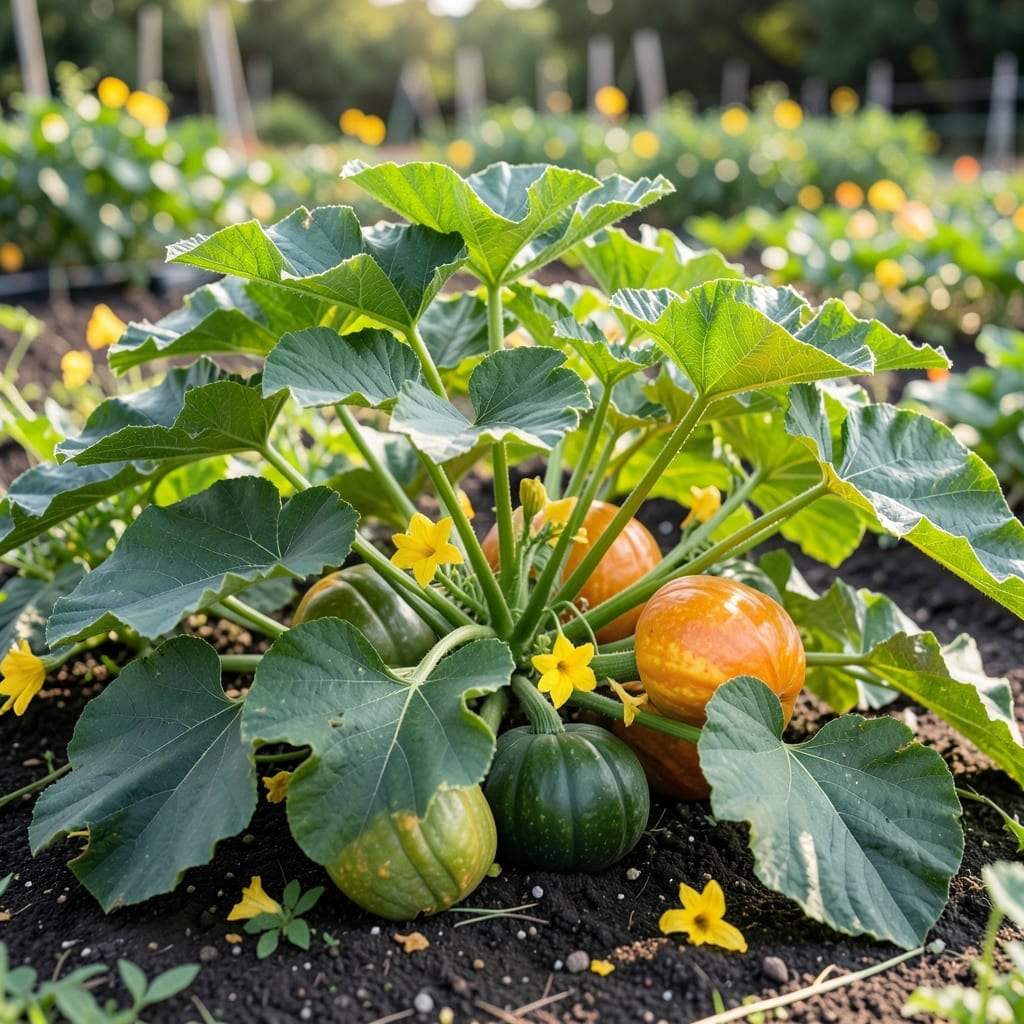
Noticing your 🎃 Acorn Squash turns orange can spark confusion—is it ripe, overripe, or just a quirky variety? This color shift often signals maturity, but timing is everything for the best flavor.
I’ve seen gardeners second-guess themselves when their squash starts changing hues. The truth is, this transformation is a natural part of the ripening process, especially in late summer and early fall.
Understanding these color changes helps you harvest at the perfect moment. You’ll want to watch for other signs too, like a hard rind and dry stem, to confirm it’s ready.
Discover how to interpret these changes and pick your Acorn Squash at peak ripeness for the tastiest results from your garden.
I often get asked why acorn squash turns orange as it matures. The color shift is a natural part of the ripening process, signaling that the chlorophyll in the rind is breaking down.
This transformation typically happens as the squash reaches full maturity, usually around 80-90 days after planting. The orange hue often indicates peak sweetness and texture.
| Stage | Color Change | Ripeness Indicator |
| Early Growth | Dark Green | Not Ready |
| Maturing | Green with Orange Blush | Approaching Ready |
| Fully Ripe | Deep Orange | Harvest Now |
However, not all orange acorn squash varieties follow this pattern. Some are bred to stay green, while others develop orange patches even when immature.
To confirm ripeness, I always check the stem and rind hardness. A dry, corky stem and a hard rind that resists puncture are sure signs it’s time to harvest.
Environmental factors can also affect color. Excessive heat or drought may cause premature orange coloring, while cool temperatures can delay the process.
If your squash turns orange but the vine is still healthy, it might not be fully ripe. I recommend waiting until the vine begins to die back for the best results.
Remember, acorn squash continues to ripen off the vine, but it won’t develop the same sweetness as vine-ripened fruit. For the best flavor, I harvest when the rind is glossy and the color is uniform.
Don’t confuse sunburn or disease spots with ripening. True color changes happen evenly across the squash, not in random patches.
In my experience, the most reliable acorn squash varieties for consistent orange coloring are ‘Table Ace’ and ‘Carnival’. These tend to develop beautiful orange hues when fully mature.
By understanding these color changes and combining them with other ripeness indicators, you’ll never have to guess when your acorn squash is ready to pick 🪴
When your acorn squash turns orange, it’s often a ripeness cue, but I always check additional signs. The rind hardness and stem condition are more reliable than color alone for timing the harvest.
A dry, corky stem and a hard rind that resists fingernail pressure signal peak maturity. I also look for vines that begin to wither, as this natural die-back often coincides with squash readiness.☀️
I’ve found that weight matters—a ripe acorn squash feels noticeably heavier than it looks. This density change happens as moisture content stabilizes during the final ripening stages.
Timing the harvest right after the first light frost can enhance flavor, but avoid waiting too long. If hard frost hits, the squash may rot on the vine, wasting your hard work.
For the best storage life, I harvest on a dry, sunny morning. This prevents moisture from promoting mold growth during curing. Always leave a 2-inch stem to reduce decay risk.
Finally, remember that color variation exists among acorn squash varieties. Some stay green, while others turn orange or even white. Combine color with the other signs for accurate ripeness assessment.🌱