
Beautiful Plants For Your Interior
Beautiful Plants For Your Interior
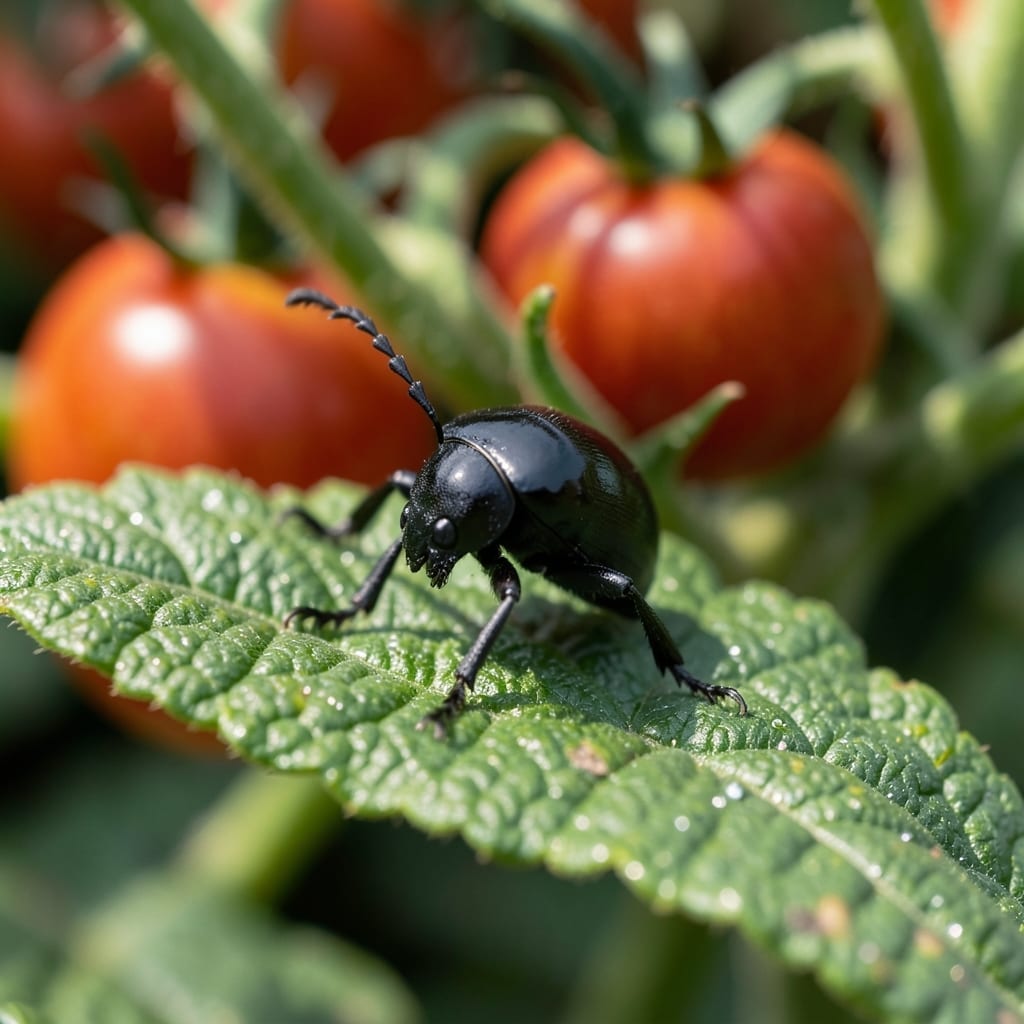
That tiny black invader in your garden isn’t just annoying—it’s likely eating your plants alive. I’ve battled these pests for years and learned that proper ID is half the battle won.
Some common culprits include aphids, flea beetles, or Japanese beetles, each leaving distinct damage patterns. The good news? You don’t need harsh chemicals to evict them.
Neem oil, diatomaceous earth, and companion planting work wonders. These methods protect your garden while keeping beneficial insects safe.
With the right approach, you’ll see visible results within days. No more watching helplessly as your hard work gets devoured overnight.
Understanding why black insects show up in your lawn or garden is the first step toward effective, organic control. These pests often thrive due to specific environmental or behavioral triggers. Below are the most common causes, broken down for clarity.
Black insects, such as black cutworms or black vine weevils, are drawn to thick, unkempt foliage. Dense plantings provide shelter, moisture, and ample food sources like decaying leaves or tender stems. Regular pruning and proper spacing between plants disrupt their habitat and reduce infestations.
Stagnant water or overly wet soil creates ideal breeding grounds for many black insects, including black ants and black beetles. Poor drainage, overwatering, or heavy rainfall can saturate the soil, attracting these pests. Improve drainage with organic mulch or amendment and avoid watering at dusk to let soil dry overnight.
Piles of leaves, grass clippings, or compost heaps offer food and nesting sites for black insects like black ground beetles or black aphids. These materials also trap moisture, compounding the problem. Keep your lawn and garden beds clean by removing debris regularly and composting in a sealed, managed system.
Many black insects, such as black soldier flies, are most active during warm, humid weather. These conditions accelerate their life cycles, leading to rapid population growth. While you can’t control the weather, you can monitor for early signs and take preventive action, like introducing beneficial nematodes or diatomaceous earth, before populations explode.
Dealing with unwanted pests in your lawn or garden can be frustrating, but there are effective ways to address the issue without harsh chemicals. Below are practical solutions tailored to common causes, along with prevention tips to keep your outdoor space thriving.
If tall grass or dense plants are attracting these pests, start by mowing the lawn and trimming bushes regularly. Remove leaf litter, weeds, and other organic debris where they might hide. Prevention tip: Keep your lawn at a consistent height (2–3 inches) to discourage nesting. 💡
Black insects often thrive in moist environments. Check for clogged gutters, leaky hoses, or poor drainage in your yard. Fix these issues to eliminate breeding grounds. Prevention tip: Use mulch or gravel in low-lying areas to improve water flow. 🌧️
Piles of wood, compost heaps, or fallen leaves can harbor pests. Remove and dispose of these materials properly, especially near your home’s foundation. Prevention tip: Store firewood at least 20 feet away from your house and elevate it off the ground. ✨
Use essential oils like peppermint, neem, or citrus to deter black insects. Mix a few drops with water and spray along entry points or infested areas. Prevention tip: Reapply after rain or every 2–3 days for best results. 🎯
For severe infestations, introduce beneficial predators like ladybugs or lacewings, which naturally control pest populations.
Look for small, dark bodies on leaves or soil. Aphids are tiny and cluster on new growth, while beetles have hard shells. Flea beetles leave small holes in leaves.
Overwatering, dense foliage, and decaying plant matter create ideal habitats. They also seek tender new growth and sweet plant sap.
No! Some like ground beetles eat other pests. Only target those causing visible damage to your plants.
Early morning or late evening when insects are most active. Treat at first signs of damage for best results.