
Beautiful Plants For Your Interior
Beautiful Plants For Your Interior
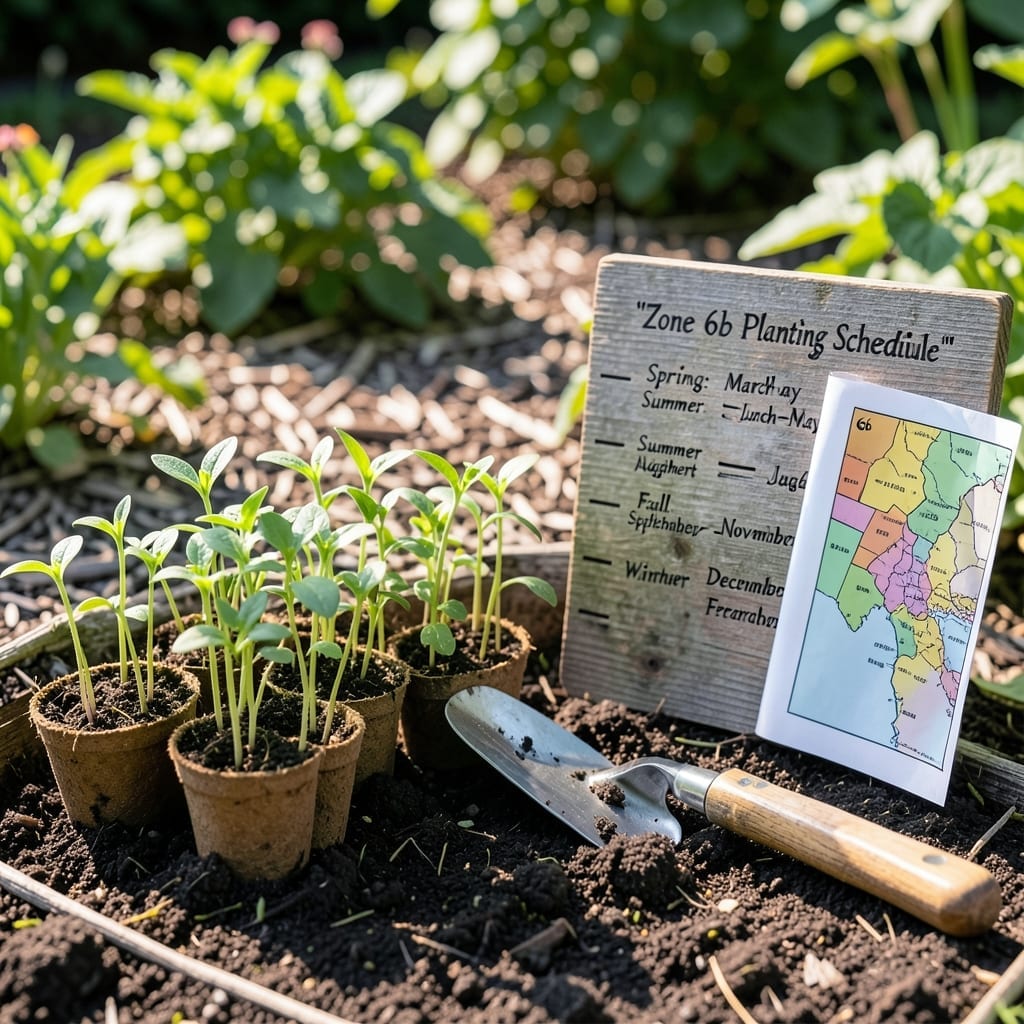
Zone 6b gives gardeners a fantastic window to grow a diverse range of plants—but timing is everything. Plant too early or too late, and you risk losing your crop to frost or heat stress.
I’ve spent seasons refining the perfect schedule for this region, and the results speak for themselves. Whether you’re growing General veggies, flowers, or herbs, nailing the timing ensures a thriving garden.
From the last frost in mid-April to the first chill in October, every week counts. Let me walk you through the best windows to plant for maximum yield and minimal hassle.
Discover how to sync your efforts with nature’s rhythm and watch your garden flourish like never before.
In Zone 6b, timing is everything for a thriving garden. The last frost date is typically around April 15, while the first frost arrives near October 15. This gives you about 180 frost-free days to work with.
I’ve found that cool-season crops like lettuce and spinach thrive when planted in early spring or late summer. Warm-season plants such as tomatoes and peppers need to wait until after the last frost.
| Season | Crop Type | Planting Window | Examples |
|---|---|---|---|
| Early Spring | Cool-Season | March – April | Peas, Lettuce, Radishes |
| Late Spring | Warm-Season | May – June | Tomatoes, Peppers, Beans |
| Summer | Warm-Season | June – July | Cucumbers, Squash, Corn |
| Fall | Cool-Season | August – September | Kale, Carrots, Spinach |
For spring planting, I always start peas and radishes as soon as the soil can be worked. These cold-hardy plants can tolerate light frosts, making them perfect for early Zone 6b conditions.
Soil temperature is just as important as air temperature. Warm-season crops like tomatoes need soil temps of at least 60°F. I use a soil thermometer to check before planting.
In summer, focus on heat-tolerant varieties. Okra and sweet potatoes thrive in the hot months. Don’t forget to mulch heavily to retain moisture in the dry spells.
As fall approaches, I switch back to cool-season crops. Kale and spinach can often be harvested even after light frosts, extending your growing season by several weeks.
For perennials and herbs, timing varies. Asparagus crowns go in early spring, while basil should wait until all danger of frost has passed. I’ve had great success with rosemary planted in late spring.
Remember, microclimates can affect your planting schedule. Urban areas or south-facing slopes may warm up faster. I always keep a garden journal to track what works best in my specific spot.
With 180 frost-free days, you can even squeeze in a second harvest of quick-growing crops like bush beans or radishes in late summer for a fall harvest.
By following this Zone 6b planting schedule, I’ve maximized my garden’s productivity year after year. The key is observation and adjustment based on your local conditions. 🌱
In Zone 6b, timing is everything for a thriving garden. I’ve found the best crops are those that thrive in our 180-day growing season, from cool-season greens to heat-loving tomatoes. The key is matching plant varieties to our frost dates and soil warmth.
For early spring, I start with peas, spinach, and lettuce as soon as the soil is workable. These cool-season crops tolerate light frosts and grow quickly in the cool temperatures of March and April. 🌱
As soil warms in May, I transition to warm-season crops like beans, cucumbers, and squash. These need soil temps above 60°F to germinate well. I always use a soil thermometer to check conditions before planting. ☀️
Don’t overlook fall planting in Zone 6b. I plant kale, radishes, and garlic in late summer for a fall harvest. The first frost around October 15 is my cue to protect tender plants.
For maximum yield, I recommend succession planting. After harvesting spring peas, I immediately plant bush beans in the same space. This keeps my garden productive all season without empty beds. 🌿
Remember, microclimates matter in Zone 6b. Areas near south-facing walls or paved surfaces may warm up faster. I’ve had great success with heat-loving herbs like basil and rosemary in these spots.