
Beautiful Plants For Your Interior
Beautiful Plants For Your Interior
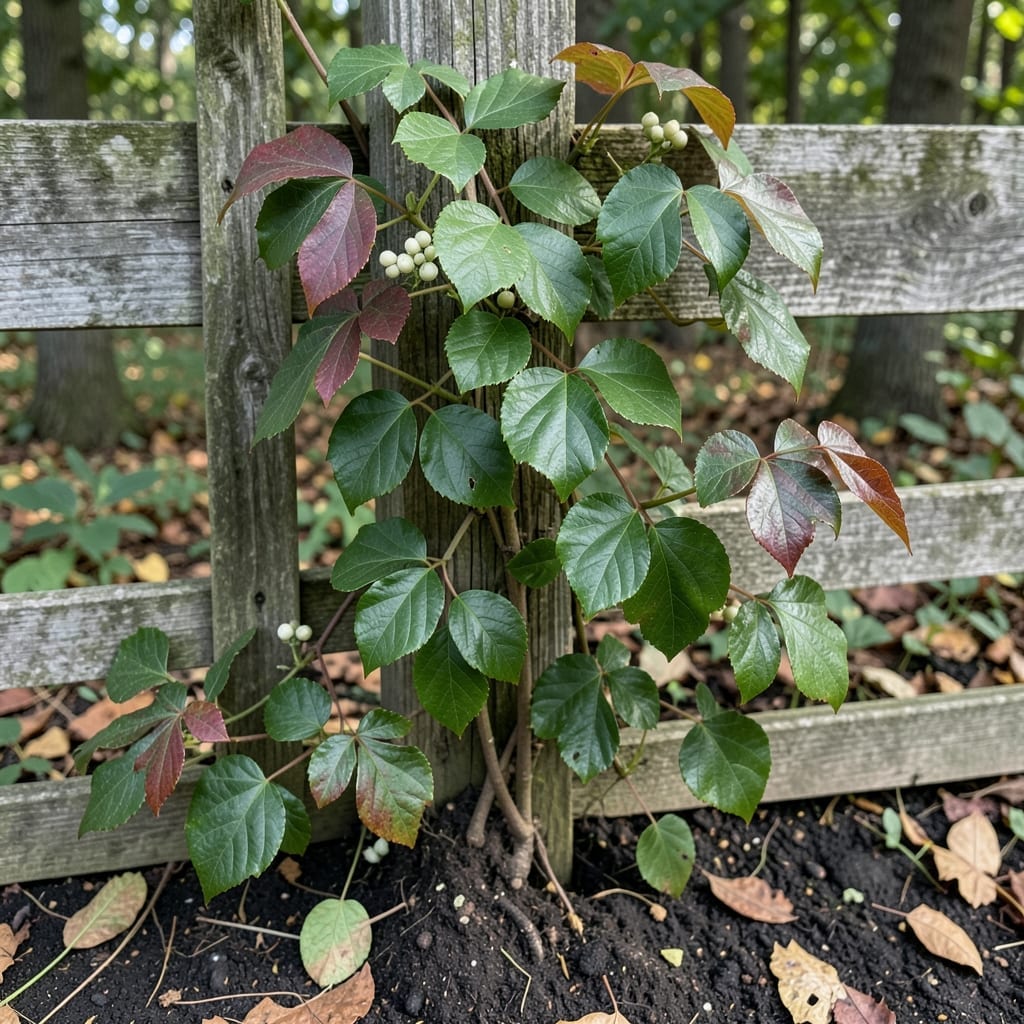
That leaf cluster looks innocent until it isn’t. I learned to spot the 5-leaf pattern the hard way—after a weekend of itching and blisters that no amount of calamine could calm.
It thrives in wooded areas, along fences, and even in backyard corners where you least expect it. The shiny leaves often have a reddish stem, and the old saying holds true: leaves of three, let it be—but this one cheats with five.
Removal requires gloves, long sleeves, and a trash bag—never burn it, as the smoke carries the same oils. A little vigilance now saves weeks of discomfort later.
Teach kids to recognize it early, check pets after walks, and wash any exposed skin immediately. Prevention is simpler than treatment.
The irritation caused by the 5-leaved poison plant (often Toxicodendron radicans or related species) stems from an oil called urushiol. This compound is found in the plant’s leaves, stems, and roots, and it triggers an allergic reaction in about 80% of people. Here’s why it happens:
Urushiol is a potent allergen that binds to skin proteins upon contact. The immune system recognizes it as a threat, releasing histamines that cause redness, itching, and blisters. Even indirect contact—like touching contaminated clothing or pet fur—can spread the oil.
When the plant’s leaves or stems are bruised or broken, urushiol is released in higher concentrations. This makes accidental skin contact more likely, especially during gardening, hiking, or yard work.
Reactions don’t appear immediately—itching and rashes develop 12 to 48 hours after exposure. This delay occurs because the immune system needs time to identify urushiol as an invader and mount a response.
With each encounter, the body becomes more sensitized to urushiol. This means subsequent exposures may cause worse reactions, even if the first contact was mild.
If you’ve come into contact with this irritating plant, act fast to minimize discomfort. Here’s how to handle each scenario:
Wash the affected area immediately with cool water and soap to remove the plant’s oils (urushiol). Scrub gently but thoroughly for at least 10 minutes. Apply calamine lotion or hydrocortisone cream to soothe itching. For severe rashes, oral antihistamines like Benadryl can help.
Rinse your eyes right away with lukewarm water for 10–15 minutes. Avoid rubbing, as this can spread the oils. If irritation persists, seek medical attention—never use over-the-counter eye drops unless directed by a doctor.
If any part of the plant is swallowed, do not induce vomiting. Rinse the mouth with water and call Poison Control (1-800-222-1222) or head to the ER immediately. Symptoms like swelling or difficulty breathing require urgent care.
Look for clusters of 5 leaflets growing from a single stem, often with a reddish center and glossy surface. The edges may be smooth or slightly toothed. It commonly grows as a vine or shrub in wooded or shady areas.
Wash your pet with cool water and pet-safe soap while wearing gloves. Urushiol can stick to fur and transfer to you. Monitor them for signs of irritation or excessive scratching.
Urushiol can linger under fingernails or on contaminated surfaces. Scrub thoroughly and wash all clothes, tools, or objects that touched the plant. The rash only spreads if new urushiol contacts skin.