
Beautiful Plants For Your Interior
Beautiful Plants For Your Interior
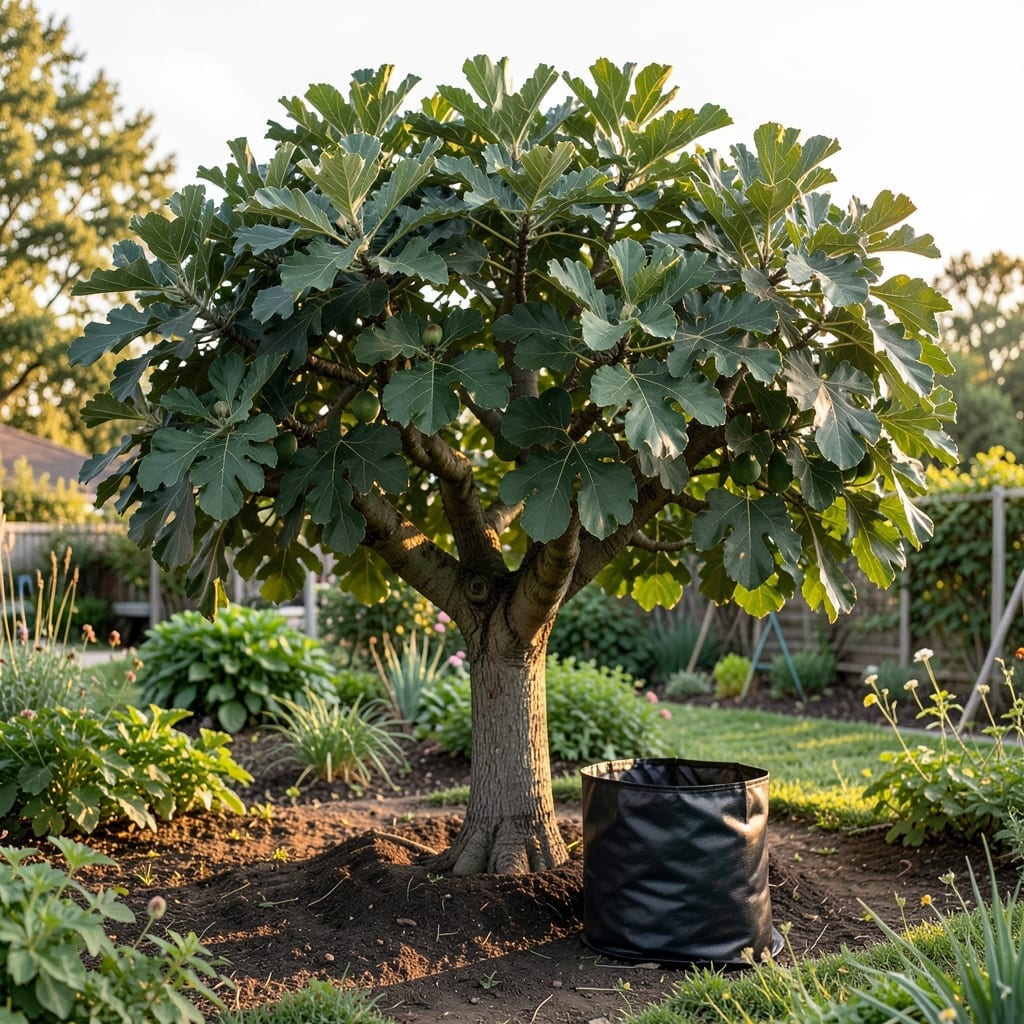
Understanding the dimensions of a 🌳 30 gallon tree is crucial for proper planting and landscape planning. This container size typically holds mature trees ready for transplanting.
What I’ve learned is that the exact measurements can vary by species, but there are general guidelines to follow. These trees often have a more established root system than smaller containers.
Let me walk you through what to expect with height, width, and care needs. You’ll discover how to set your tree up for long-term success.


When I first started working with 30 gallon trees, I noticed they’re often mature specimens ready for immediate impact in landscapes. These aren’t saplings—they’ve been growing for 3–7 years in nurseries.
The container size gives you a good indication of the root ball dimensions, typically around 24–30 inches in diameter. This affects how deep and wide you’ll need to dig for planting.
| Tree Type | Height Range | Canopy Spread | Root Ball Size |
|---|---|---|---|
| Japanese Maple | 8–12 ft | 6–10 ft | 24–28 in |
| Crape Myrtle | 10–15 ft | 8–12 ft | 26–30 in |
| Redbud | 12–18 ft | 10–15 ft | 28–30 in |
| Magnolia | 15–20 ft | 10–15 ft | 30 in |
I’ve found that height varies significantly by species. Japanese Maples in this size often reach 8–12 feet, while Crape Myrtles can hit 10–15 feet tall. Always check the nursery tag for specifics.
The canopy spread is just as important as height. A Redbud might spread 10–15 feet, so plan your spacing accordingly. Crowding leads to poor air circulation and disease issues.
What surprises many gardeners is the root ball depth. These trees need a planting hole that’s at least twice as wide as the container. I always dig 3–4 inches shallower than the root ball height.
Remember, these are average dimensions—your tree might be slightly smaller or larger. The nursery’s growing conditions and pruning practices affect the final size. Always inspect the tree before purchasing.
I recommend measuring the actual root ball rather than relying solely on the container size. Some nurseries use larger pots for the same-sized root system, which can be misleading.
For urban landscapes, these sizes work well for under power lines or near structures. But always consider the mature height—some species will outgrow their space quickly.
In my experience, 30 gallon trees establish faster than smaller ones because of their developed root systems. Just be prepared for the initial cost—they’re more expensive than 5 or 15-gallon sizes.
Planting a 30 gallon tree requires careful preparation for the best start. I always begin by digging a hole that’s twice as wide as the container but no deeper than the root ball.
Before placing the tree, I loosen the roots if they’re circling the pot. This prevents girdling roots that can strangle the tree later. Then, I position it so the root flare is slightly above ground level.
For backfilling, I use the native soil rather than amendments. Research shows trees establish better when their roots adapt gradually to the surrounding soil conditions.
After planting, I water deeply to settle the soil and eliminate air pockets. A 30 gallon tree typically needs 15–20 gallons of water at planting. Then, I apply a 2–3 inch layer of mulch, keeping it away from the trunk.
For the first year, I monitor moisture weekly. These trees need consistent watering until established, usually after the first growing season. I also avoid fertilizing at planting time to prevent root burn.
If your tree is top-heavy, I recommend staking it for the first year. Use soft ties and remove them once the tree is stable to prevent trunk damage. With proper care, your 30 gallon tree will thrive for decades 🌳