
Beautiful Plants For Your Interior
Beautiful Plants For Your Interior
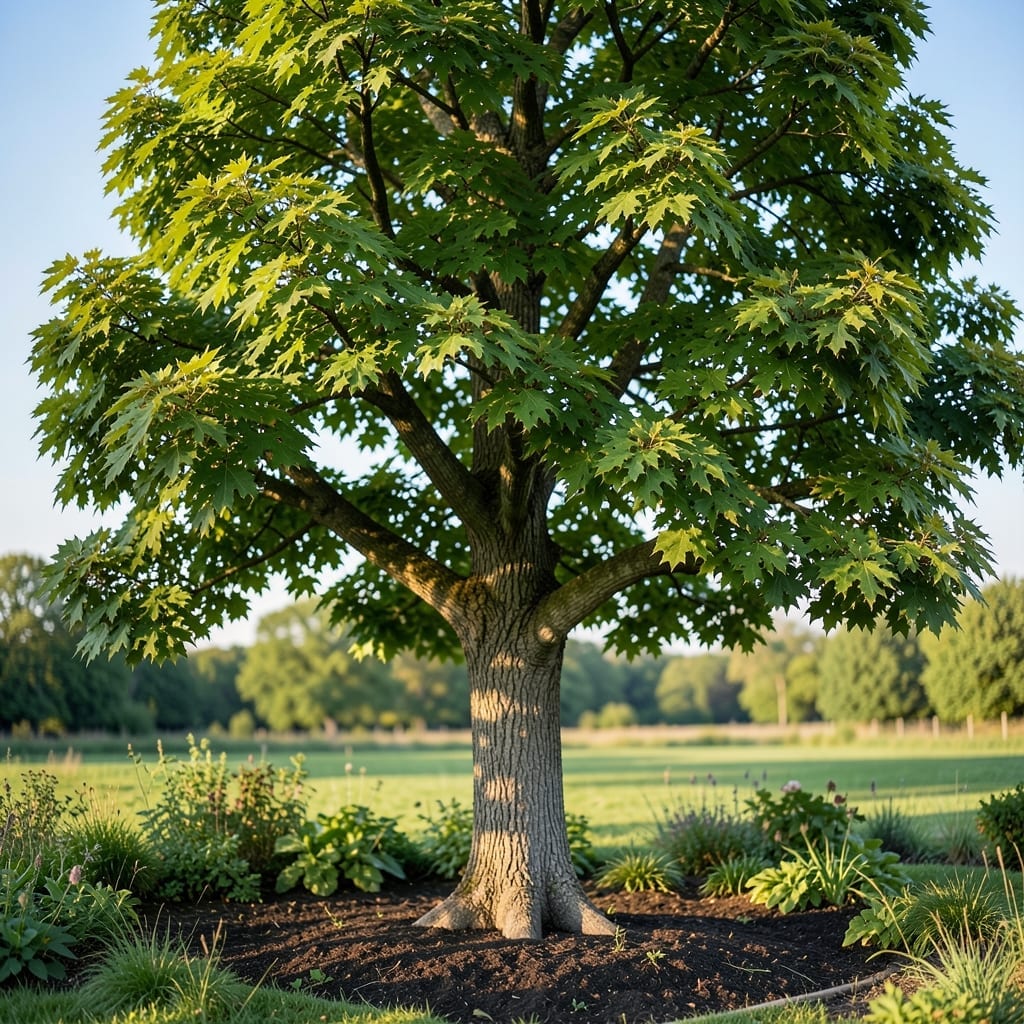
Imagine stepping into your backyard and being greeted by the majestic presence of a mature 🌳 Tree. These towering beauties can transform any garden into a private sanctuary while boosting your home’s curb appeal.
But not all trees are created equal when it comes to reaching that 30-foot milestone. The right variety can thrive in your specific climate and soil conditions with proper care.
I’ve seen firsthand how the perfect Tree selection can create shade, privacy, and year-round beauty. The key is understanding which species will flourish in your space.
Discover how to choose and nurture the ideal Tree that will grow tall and strong for decades to come. Your dream landscape starts with this first step.
I love how a 30 foot tree can transform any landscape. These trees provide perfect height for shade without overwhelming smaller yards. They’re ideal for creating privacy screens or focal points in your garden design. 🌳
The key is matching the tree species to your climate zone and soil type. Some varieties thrive in wet conditions while others prefer dry, well-draining soil. Seasonal interest varies too, from spring blooms to fall foliage.
| Variety | Climate Zone | Soil Preference | Seasonal Interest |
|---|---|---|---|
| Red Maple | Zones 3-9 | Adaptable | Fall color, spring blooms |
| Serviceberry | Zones 4-8 | Moist, well-drained | Spring flowers, edible berries |
| Hornbeam | Zones 5-9 | Clay to loam | Yellow fall foliage |
| American Holly | Zones 5-9 | Acidic to neutral | Year-round interest, red berries |
For cold climates, I recommend the Red Maple. It handles freezing temps down to -40°F and offers stunning fall colors. Its adaptable nature makes it perfect for various soil types.
The Serviceberry is my top pick for wildlife gardens. Its spring blossoms attract pollinators, and the edible berries feed birds. It prefers moist conditions but tolerates some drought once established. 🌿
In urban areas with compacted soil, the Hornbeam excels. This tough tree handles pollution and poor drainage better than most. Its dense canopy provides excellent shade.
For year-round interest, you can’t beat American Holly. The glossy leaves and red berries add color to winter landscapes. It does need acidic soil to thrive.
I always suggest considering the mature shape when selecting. Some 30 foot trees grow pyramidal while others spread horizontally. This affects placement near structures or power lines.
Don’t forget about disease resistance. Many modern cultivars are bred to resist common issues like powdery mildew or leaf spot. This can save you years of maintenance headaches.
When planting, I recommend testing your soil first. A simple pH test can reveal if you need to amend for acid-loving or alkaline-tolerant species. This small step makes a huge difference in long-term health. ✂️
Planting a 30 foot tree starts with selecting the right location. I always recommend choosing a spot with full sun exposure and well-draining soil to ensure healthy growth for most varieties.
Before digging, check for underground utilities and consider the tree’s mature canopy spread. A hole twice as wide as the root ball but no deeper is ideal for proper establishment.
After planting, I water my 30 foot tree deeply once a week during the first year. This helps the roots establish and prevents transplant shock.
For ongoing care, I prune in late winter to remove dead or crossing branches. This keeps the tree healthy and maintains its desired shape as it grows.
Avoid over-fertilizing in the first year. Instead, I focus on consistent watering and monitoring for pests or diseases, which are common in young trees.
Finally, stake the tree only if necessary. Most 30 foot trees develop strong roots without support, but staking can help in windy areas or loose soil.
With proper care, your tree will thrive for decades, providing shade and beauty to your landscape 🌳