
Beautiful Plants For Your Interior
Beautiful Plants For Your Interior
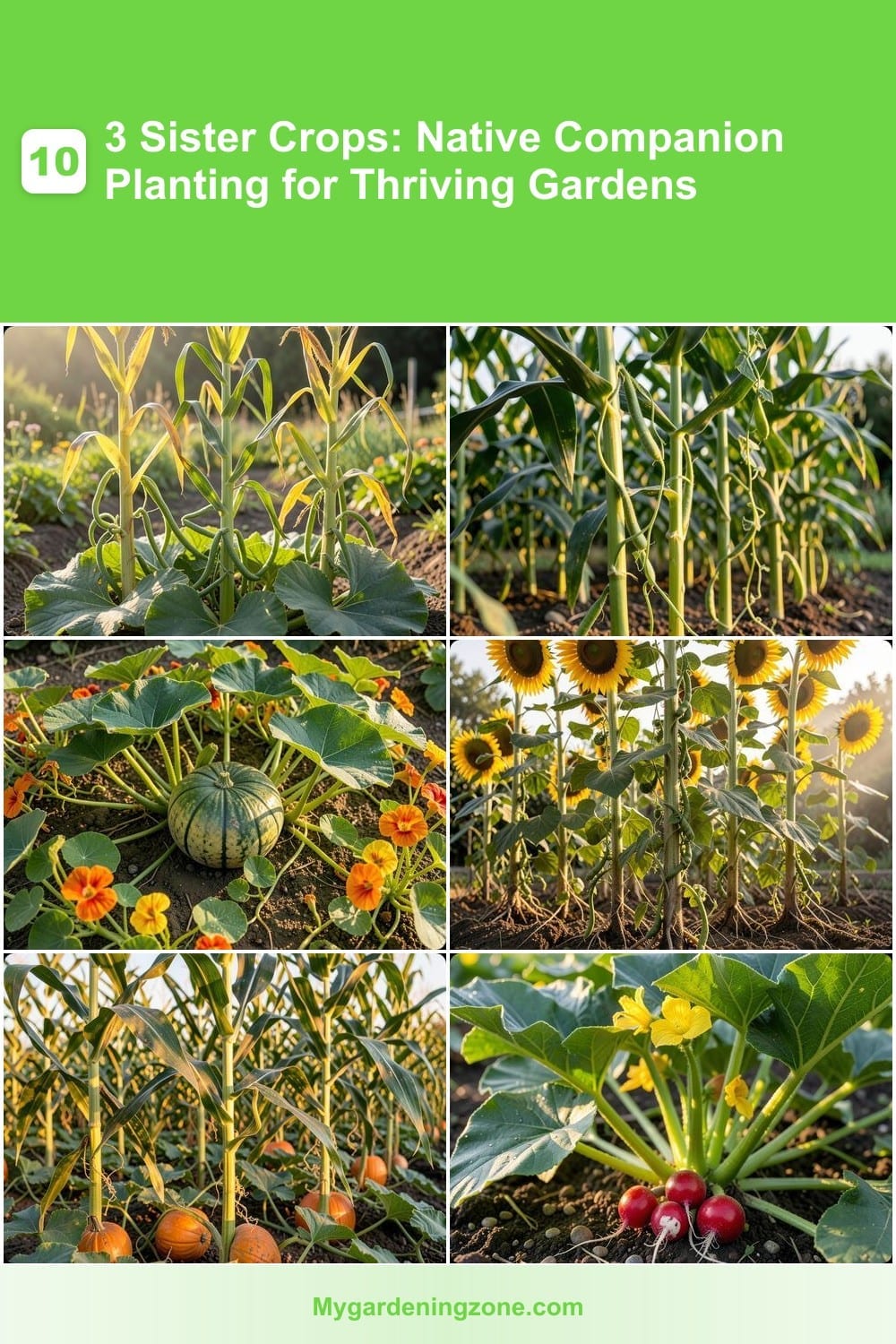
The Three Sisters method—corn, beans, and squash—has sustained Native American communities for centuries. These 10 companion planting combinations bring that same synergy to modern gardens, boosting yields, deterring pests, and improving soil health naturally.
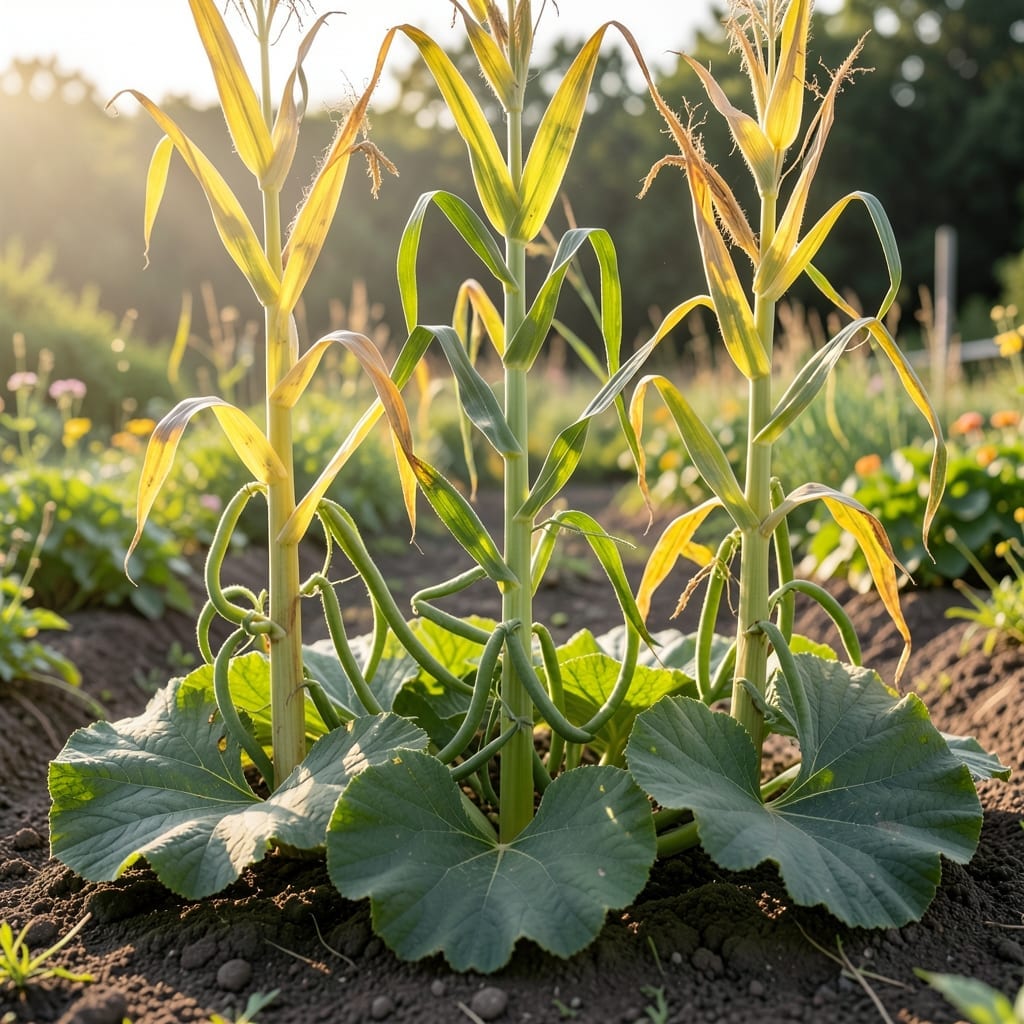
This centuries-old Native American technique proves that the best gardening partnerships are rooted in mutual benefit. The Three Sisters—corn, beans, and squash—work together like a self-sustaining ecosystem.
Tall corn stalks act as natural trellises for climbing beans, while the beans fix nitrogen in the soil to feed all three plants. Sprawling squash leaves shade the ground, retaining moisture and blocking weeds without any effort from you.
Perfect for gardeners who want a low-maintenance, high-yield system that mimics nature’s own balance. 🌱
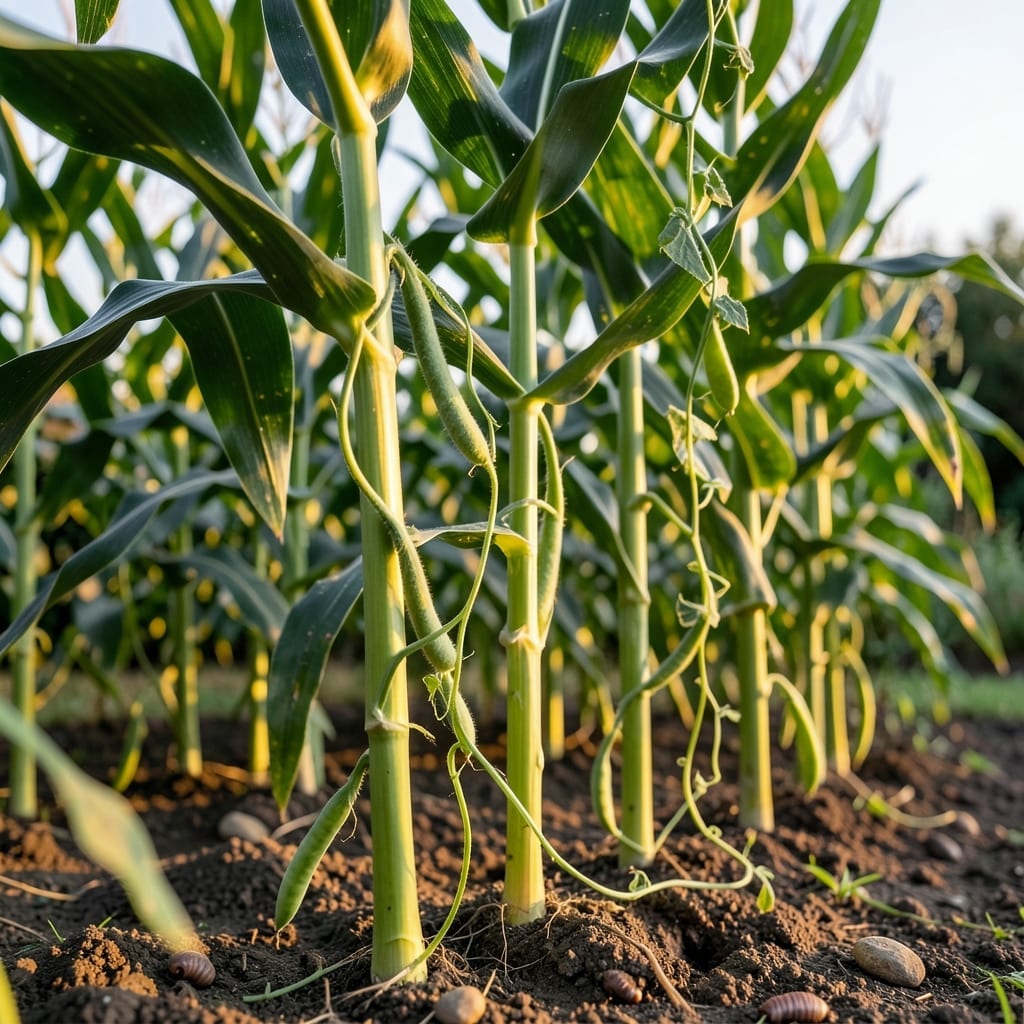
Forget building trellises—your corn stalks can do the work for you. This pairing lets pole beans climb naturally while giving corn a nutrient boost it desperately needs.
As the beans twist up the 6-8 foot corn stalks, their roots fix nitrogen in the soil, feeding the corn’s heavy appetite. You’ll save space, skip the stakes, and create a self-fertilizing system with minimal effort.
Ideal for gardeners who want a productive, space-efficient duo that thrives on mutual support. 🌱
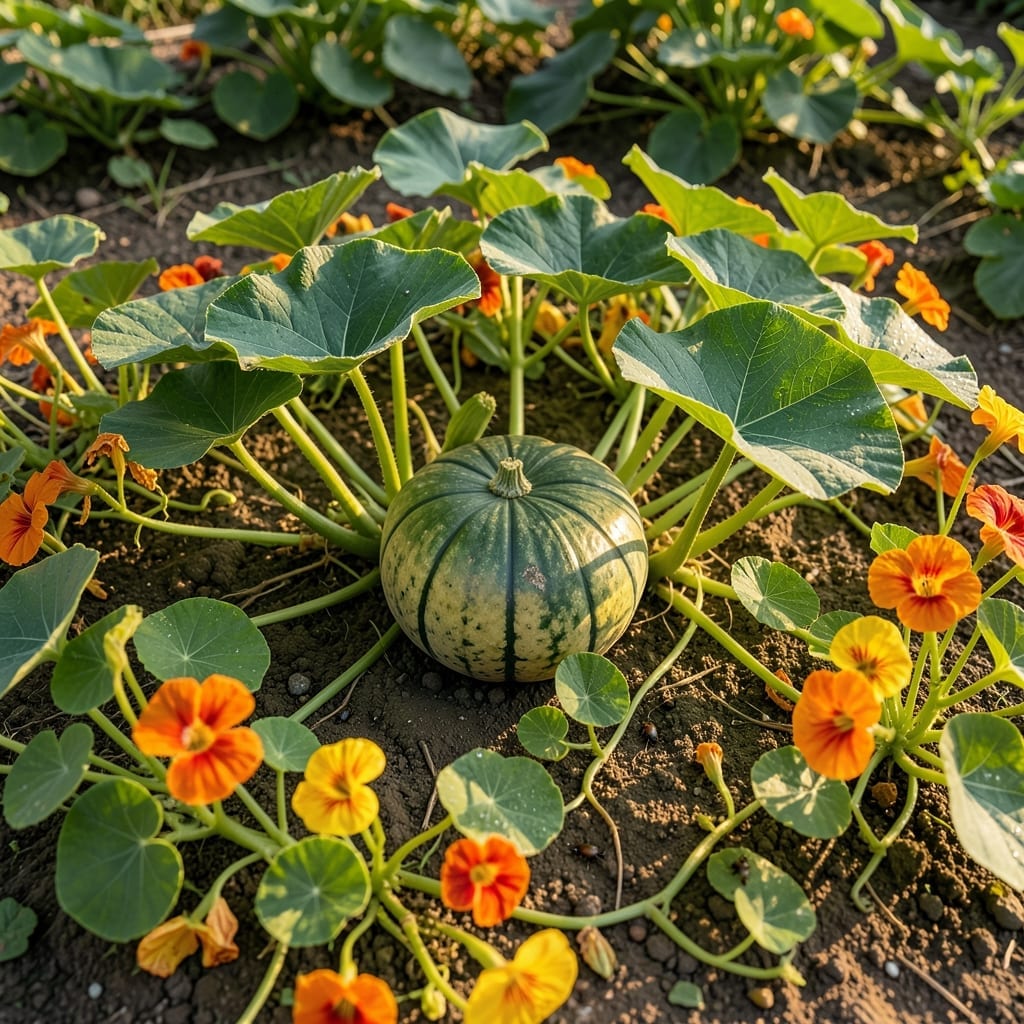
Squash bugs met their match with this clever pairing. Nasturtiums act as a decoy, luring pests away from your squash plants while their vibrant blooms add a splash of color to your garden.
Plant nasturtiums around the perimeter of your squash patch. Their peppery flowers are not only edible but also attract pollinators, boosting your garden’s biodiversity. The trap crop strategy reduces the need for chemical pesticides.
Perfect for organic gardeners looking for natural pest control that doubles as a beautiful, functional addition to their space. 🌿
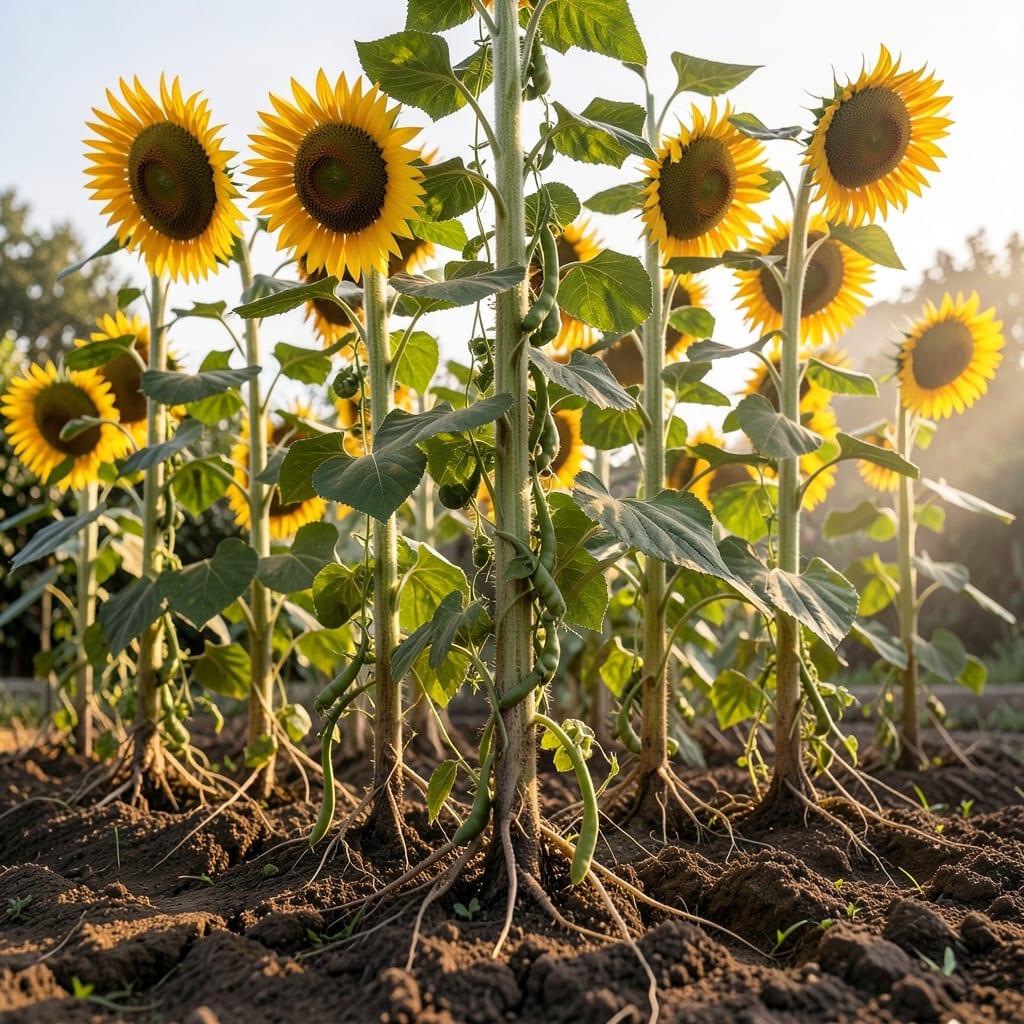
Skip the trellis and let nature do the work. Sunflowers offer a sturdy, living support system for climbing beans, creating a striking vertical garden feature while maximizing space.
Their deep taproots naturally aerate compacted soil, improving drainage for both plants. As beans climb the 6-10 foot sunflower stalks, they benefit from the sunflowers’ sturdy structure while adding nitrogen to the soil.
This is perfect for gardeners with heavy clay soil or those wanting a low-maintenance, high-impact pairing that doubles as a pollinator magnet. 🌻
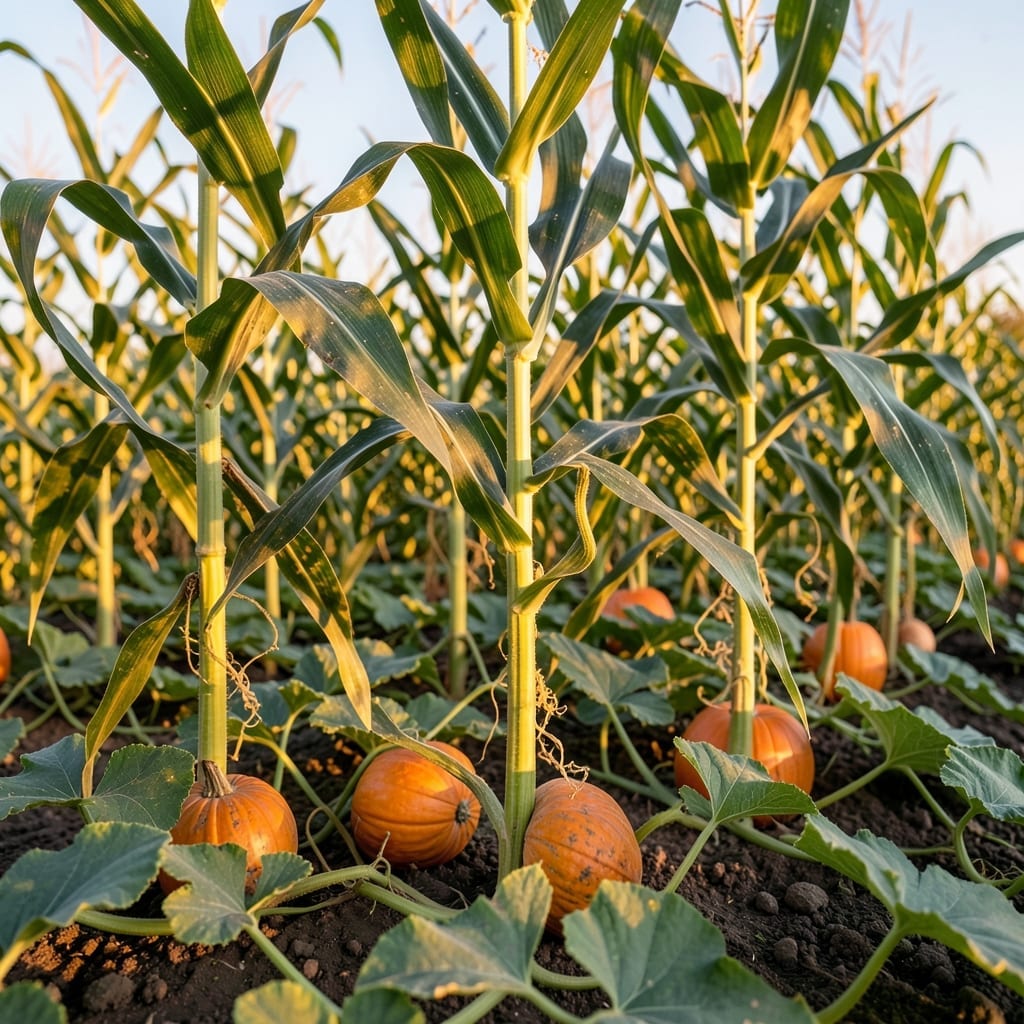
Turn your corn patch into a dual-purpose powerhouse. Pumpkin vines spread beneath the towering stalks, creating a living mulch that blocks weeds and locks in soil moisture during hot summer months.
The corn’s sturdy stems provide gentle support for wandering pumpkin tendrils, while the low-growing leaves protect the soil from erosion. This pairing thrives in full sun and well-draining soil, with pumpkins maturing just as the corn harvest wraps up.
Ideal for gardeners who want to maximize space and harvest two crops from the same footprint. 🌱
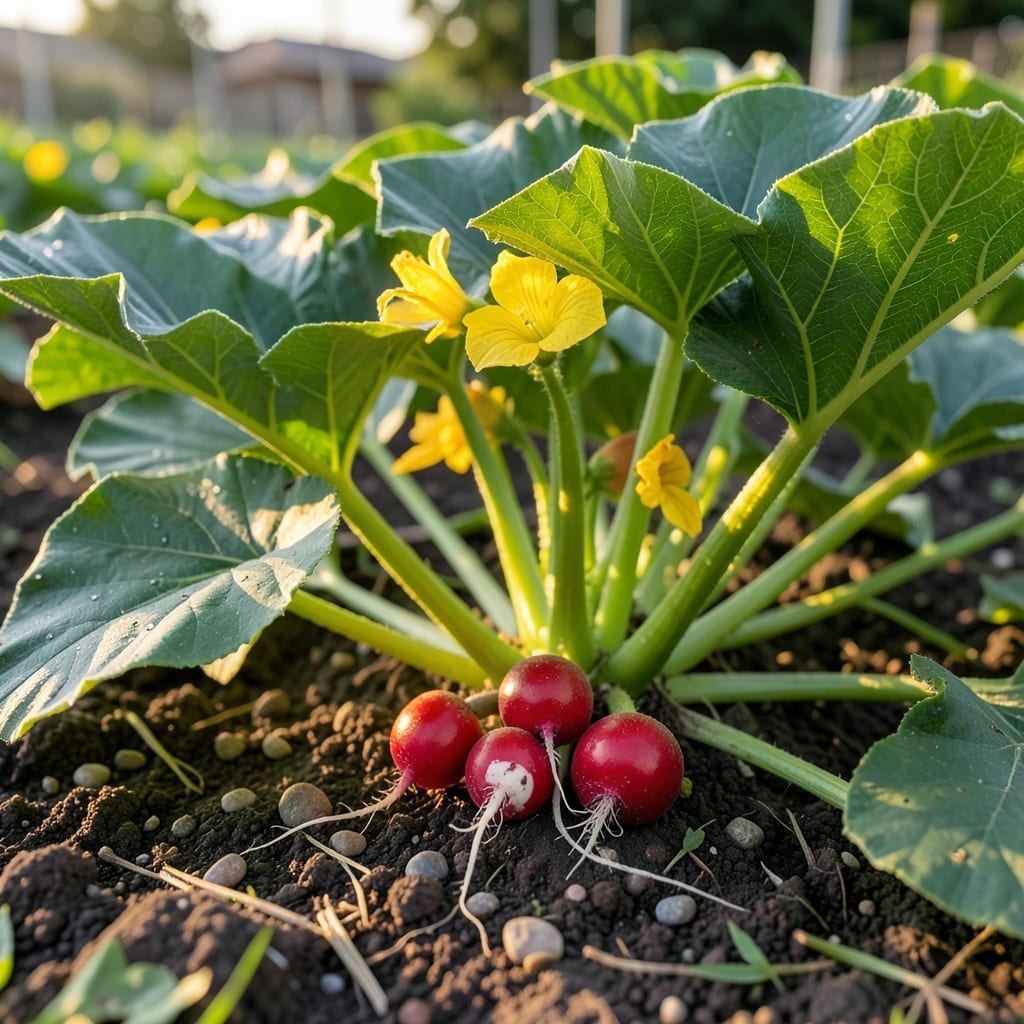
Protect your squash from its worst enemy with this simple but powerful pairing. The strong scent of radishes naturally repels squash vine borers and other pests, creating a chemical-free defense for your plants.
Radishes mature in just 3-4 weeks, so you can harvest them before squash vines need the space. Plant radish seeds around the base of young squash plants and let their pungent aroma do the work while you enjoy an early crop of crisp roots.
This is ideal for gardeners who want to maximize space and harvest two crops while keeping pests at bay. 🌱
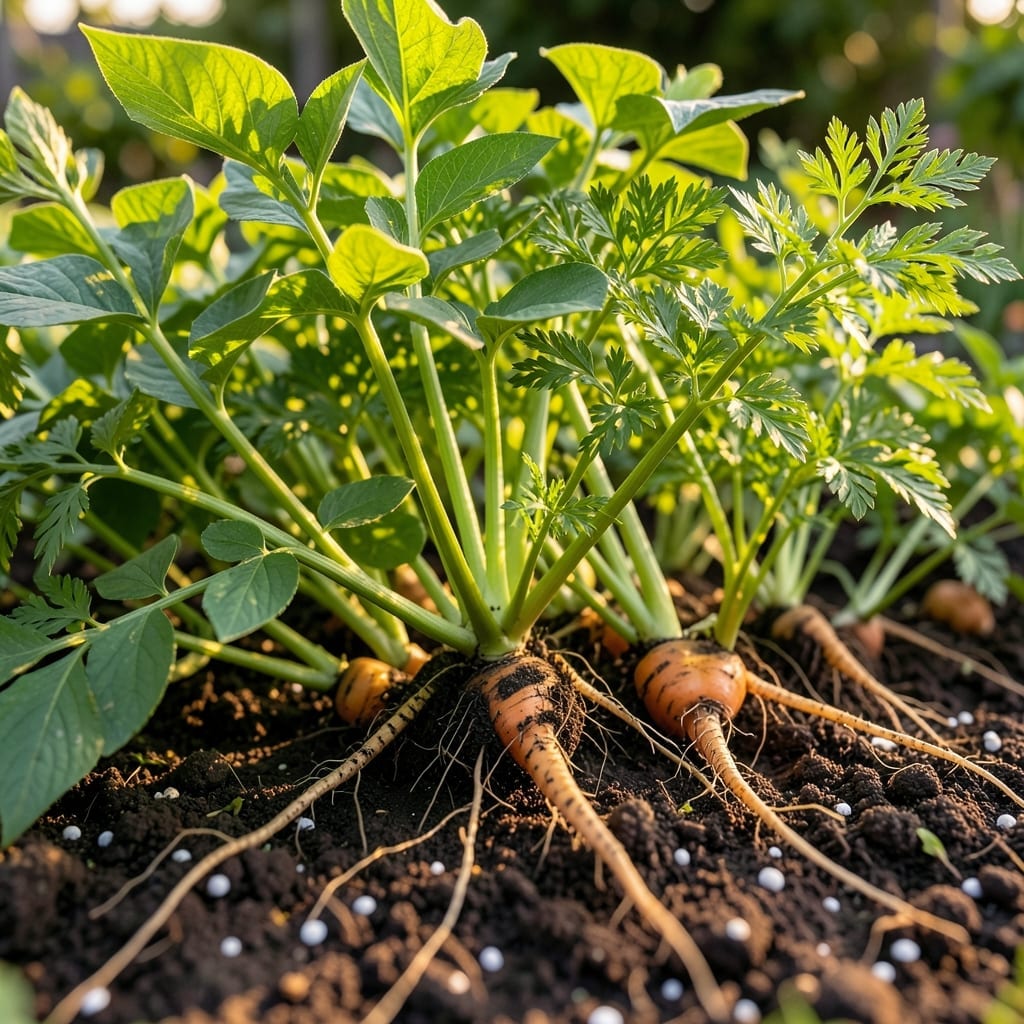
This underground partnership is a masterclass in efficient gardening. Beans naturally fix nitrogen in the soil, giving carrots the nutrient boost they need for robust root development without competition.
With beans’ shallow roots and carrots’ deep taproots, they occupy different soil layers, allowing both to thrive in the same space. Plant beans in rows between carrot rows for maximum benefit, ensuring loose, well-draining soil for the carrots to grow straight and long.
Perfect for gardeners who want to maximize yield in small spaces while naturally improving soil fertility. 🌱
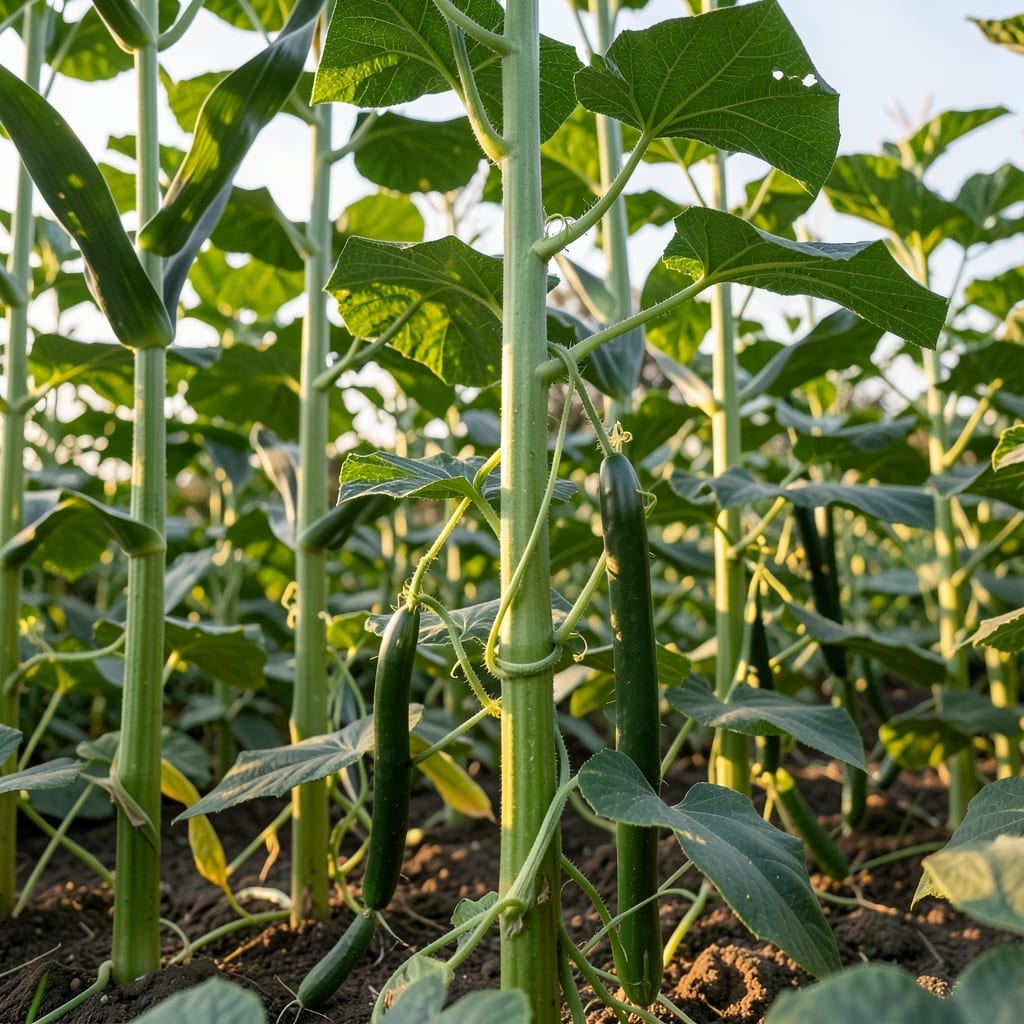
Transform your garden into a space-saving vertical oasis. Cucumbers naturally climb corn stalks, using them as free trellises while you save valuable ground space for other crops.
The tall corn provides much-needed shade for cucumbers during hot afternoons, preventing wilting and sunburn on leaves. Plant cucumbers at the base of corn once the stalks reach 6-12 inches tall, and watch as the vines spiral upward with minimal guidance needed.
This combo is perfect for small gardens or urban growers looking to maximize every square foot. 🌿
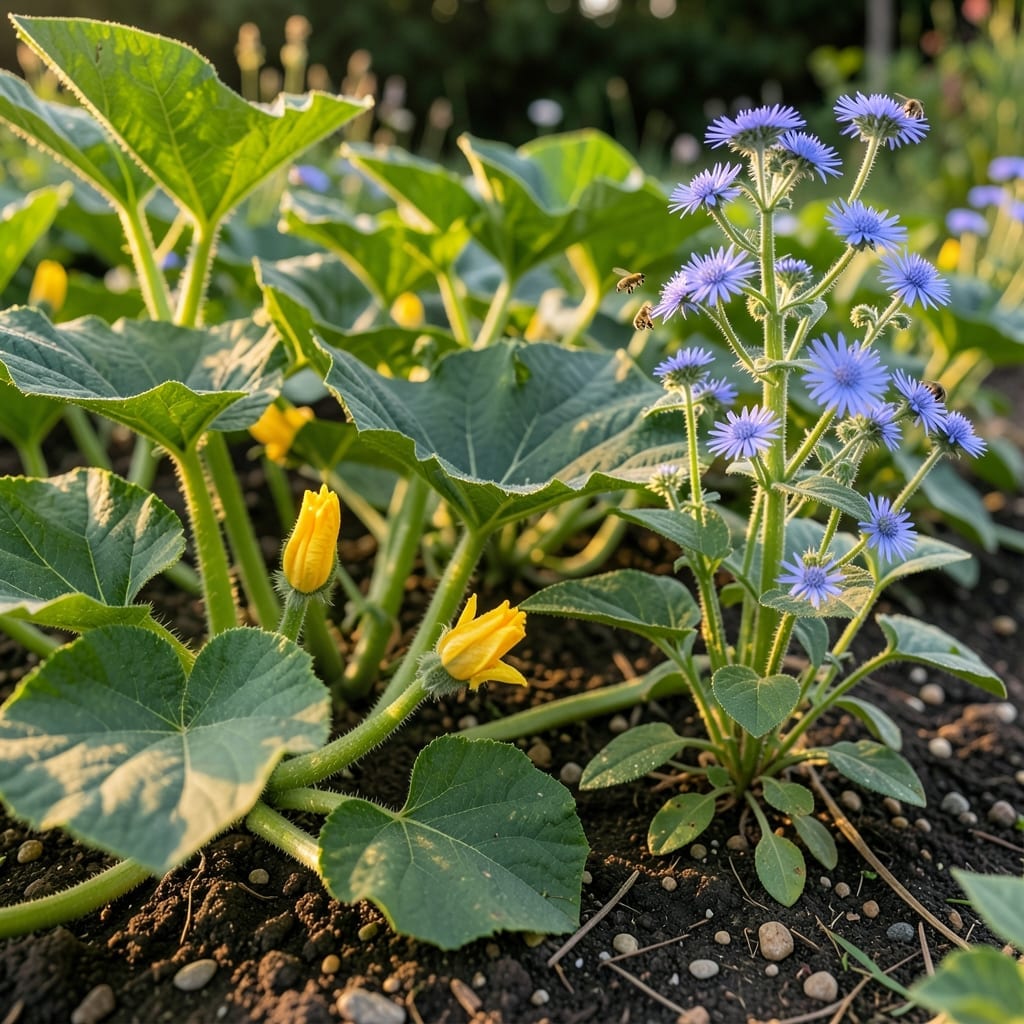
Give your squash plants a double dose of protection and productivity. Borage is the ultimate companion, repelling both tomato hornworms and squash bugs with its natural compounds while inviting pollinators to the party.
Bees and other beneficial insects flock to borage’s star-shaped blue flowers, boosting squash fruit set and enhancing your garden’s ecosystem. Plant borage around the perimeter of your squash patch to create a living barrier against pests.
This pairing is perfect for organic gardeners seeking a low-maintenance way to increase biodiversity and yields. 🌿
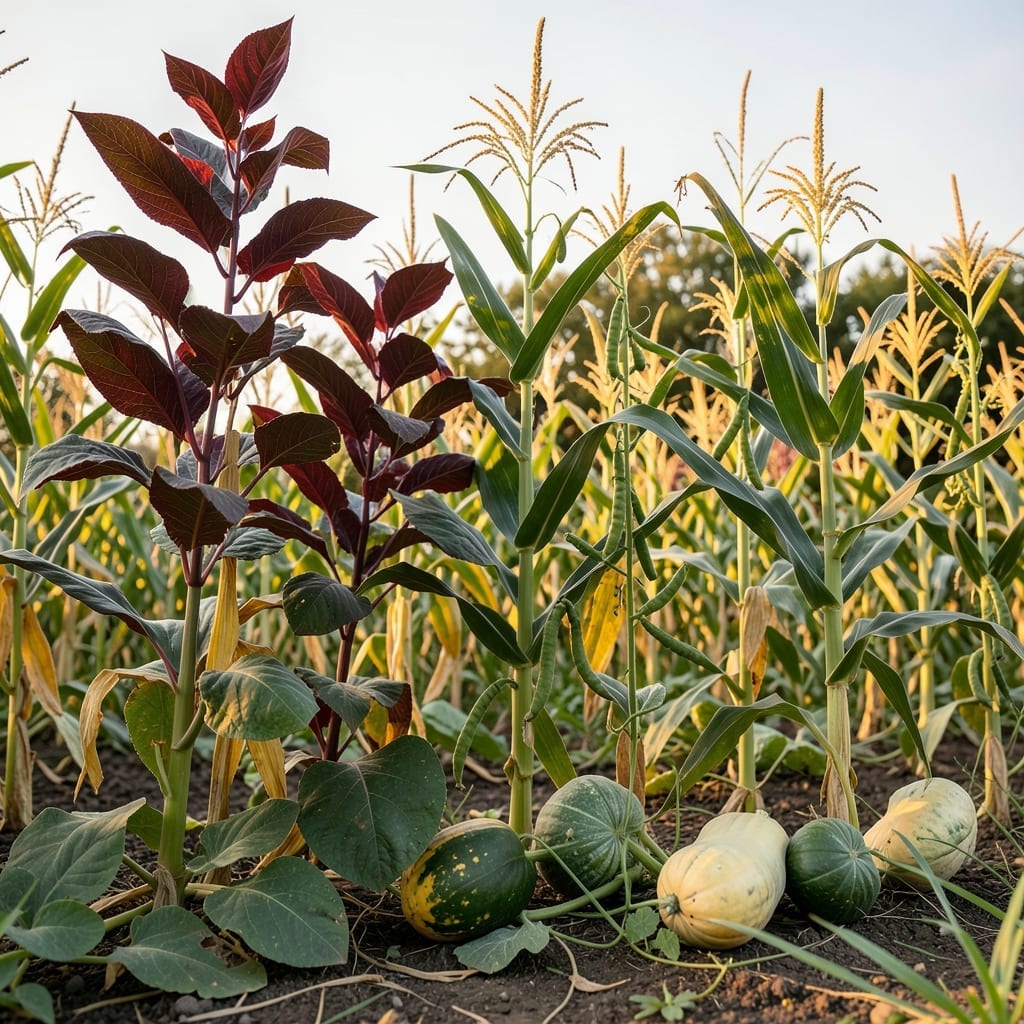
Why stop at three when you can have four powerhouse plants working together? Adding amaranth to the traditional trio creates a super-charged guild that takes companion planting to the next level.
The 6-8 foot amaranth complements corn’s height while its dense foliage provides extra wind protection for beans and squash. You’ll harvest nutritious greens and seeds from the amaranth while it adds another layer of biodiversity to your garden ecosystem.
This expanded method works especially well for gardeners with windy locations or those wanting to maximize harvest diversity in a single bed. 🌱