
Beautiful Plants For Your Interior
Beautiful Plants For Your Interior
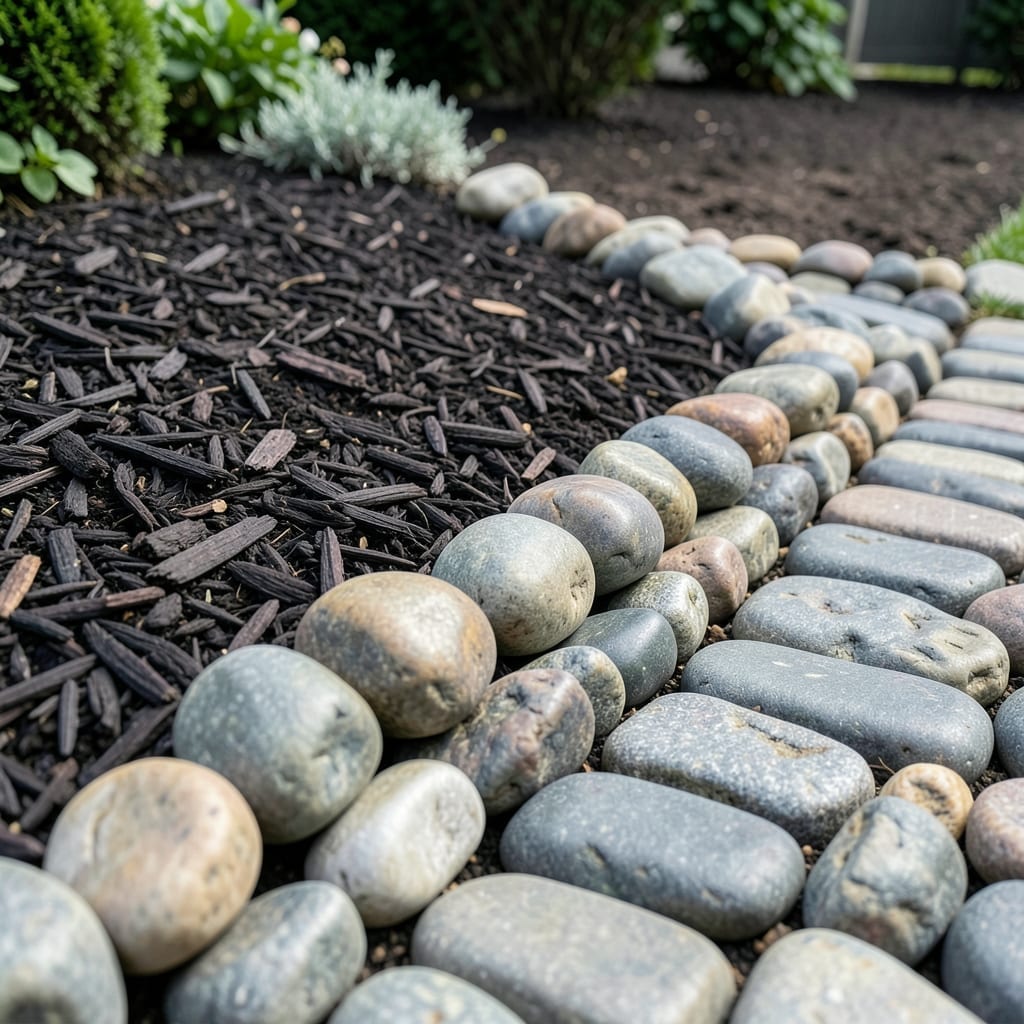
Transform your outdoor space with the timeless elegance of 🪨 River Rock, a versatile and low-maintenance landscaping material that adds natural beauty and functionality to any garden or yard.
I’ve seen how 3/8 inch river rock can instantly elevate a dull area into a stunning focal point. Whether you’re creating a serene pathway or defining garden borders, this option delivers both style and practicality.
Discover how to use this game-changer for weed suppression, improved drainage, and year-round visual appeal. Let me show you the possibilities.
I love how 3/8 inch river rock can transform any outdoor space with its smooth texture and natural colors. This versatile material is perfect for creating eye-catching garden features that last for years.
From pathways to water features, these rocks add both beauty and function. They suppress weeds, improve drainage, and reduce maintenance in garden beds.
🌿 Creative ways to use 3/8 inch river rock:
For garden pathways, I recommend a 2-3 inch layer of river rock to ensure durability and comfort underfoot. The smooth stones stay cool in summer and won’t shift like gravel.
Water features benefit greatly from these rocks. Their natural appearance blends seamlessly with ponds or fountains, creating a serene, professional look. They also help prevent soil erosion around water edges.
As a mulch alternative, river rock outlasts organic mulches by years. It won’t decompose or need replenishing, making it a low-maintenance choice for busy gardeners.
I’ve found that 3/8 inch size is ideal for borders. It’s large enough to stay in place but small enough to create clean, precise lines around flower beds or walkways.
For container gardens, these rocks add weight to prevent tipping and create a polished finish. They also help with drainage when placed at the bottom of pots.
In dry creek beds, river rock mimics natural water flow while preventing erosion. The smooth surface allows water to flow through during rains while maintaining its appearance.
🌿
When choosing landscaping rocks, I always compare 3/8 inch river rock to other options. Its smooth texture and natural colors set it apart from rougher alternatives like crushed stone.
This size offers versatility that larger rocks can’t match. It’s perfect for pathways, borders, and decorative accents where smaller gravel might scatter.
| Rock Type | Texture | Best For |
|---|---|---|
| 3/8 inch river rock | Smooth, rounded | Pathways, borders |
| Pea gravel | Small, rough | Ground cover |
| Lava rock | Porous, jagged | Drainage areas |
| Crushed stone | Angular, rough | Driveways, bases |
The smooth surface of river rock makes it ideal for barefoot areas. Unlike crushed stone, it won’t scratch or feel uncomfortable underfoot.
For drainage projects, I prefer river rock over pea gravel. Its larger size allows water to flow through more easily while staying in place better than smaller gravel.
When creating decorative borders, river rock’s natural colors blend beautifully with plants. Lava rock’s dark hues can look stark against greenery, while crushed stone lacks the polished appearance.
I’ve found river rock requires less maintenance than other options. It doesn’t compact like crushed stone or scatter like pea gravel, making it a long-lasting choice.
🌿