
Beautiful Plants For Your Interior
Beautiful Plants For Your Interior
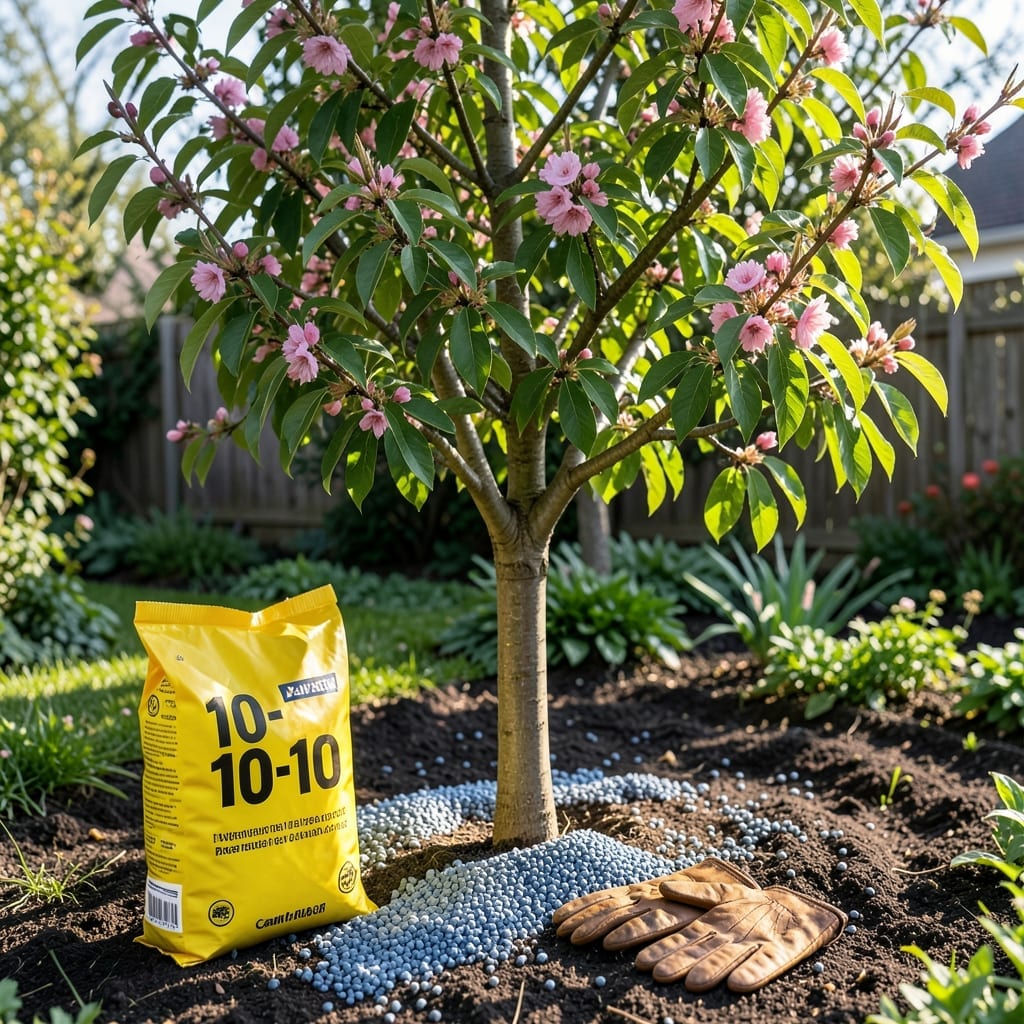
Nothing beats the satisfaction of watching your 🍑 Peach Tree thrive with lush foliage and bountiful fruit. But without the right nutrients, even the healthiest trees can struggle to reach their full potential.
That’s where a balanced approach comes in. A simple adjustment to your fertilizing routine can make all the difference in growth and harvest quality.
Let me walk you through how to give your Peach Tree the healthy boost it needs, with timing and techniques that actually work.
I’ve found that 10-10-10 fertilizer is a game-changer for peach trees because it delivers equal parts nitrogen, phosphorus, and potassium. This balanced mix supports foliage growth, root development, and fruit production all at once.
Early spring is the ideal time to apply it, just as new growth begins. A second application in early summer can help sustain momentum during the fruit-setting phase. ☀️
| Nutrient | Role in Peach Tree Growth |
|---|---|
| Nitrogen | Promotes leafy growth and vibrant green color |
| Phosphorus | Strengthens root systems and boosts flowering |
| Potassium | Enhances fruit quality and disease resistance |
If your tree shows yellowing leaves or stunted growth, it might be crying out for nutrients. 10-10-10 fertilizer can correct these deficiencies when applied at the right time.
For young peach trees, I recommend starting with a lighter dose to avoid overwhelming the roots. Mature trees can handle the full recommended amount, typically 1 lb per inch of trunk diameter.
Timing is everything. Avoid fertilizing in late fall, as it can stimulate new growth that won’t harden off before winter. This could leave your tree vulnerable to cold damage. 🌳
Soil preparation matters too. Before applying, I always test my soil’s pH level. Peach trees thrive in slightly acidic soil, around 6.0 to 6.5. If your soil is too alkaline, consider amending it first.
Another tip: Water your tree deeply after fertilizing. This helps the nutrients soak into the root zone where they’re needed most. A drip line application ensures even distribution without waste.
If you notice leaf scorching or excessive salt buildup on the soil surface, you might be overdoing it. Scale back and focus on consistent, moderate feeding instead.
For best results, pair your 10-10-10 fertilizer with organic matter like compost. This improves soil structure and helps the tree absorb nutrients more efficiently. 🪴
Remember, a healthy peach tree isn’t just about fertilizer. Regular pruning, proper watering, and pest control all play a role in its success. But with the right approach, 10-10-10 can be a powerful tool in your gardening arsenal.
Applying 10-10-10 fertilizer to your peach tree is straightforward if you follow the right steps. I always start by measuring the trunk diameter to determine the correct amount of fertilizer needed.
The standard rule is 1 lb of fertilizer per inch of trunk diameter. For a tree with a 4-inch trunk, that means about 4 lbs of 10-10-10 spread evenly around the base. 🌳
I prefer the broadcast method for even distribution. Simply sprinkle the fertilizer in a circular pattern around the tree, extending slightly beyond the drip line. This ensures the roots get maximum benefit.
After applying, I always water thoroughly. This helps the fertilizer dissolve and penetrate the soil, reaching the root zone where it’s needed most. A slow, deep watering works best for this. 💧
For young peach trees, I cut the amount in half to prevent root burn. It’s better to under-fertilize slightly than to risk damaging the tree with too much nitrogen.
Finally, mark your calendar for follow-up applications. I typically reapply every 4-6 weeks during the growing season, but always stop by late summer to avoid late-season growth. ✂️