
Beautiful Plants For Your Interior
Beautiful Plants For Your Interior
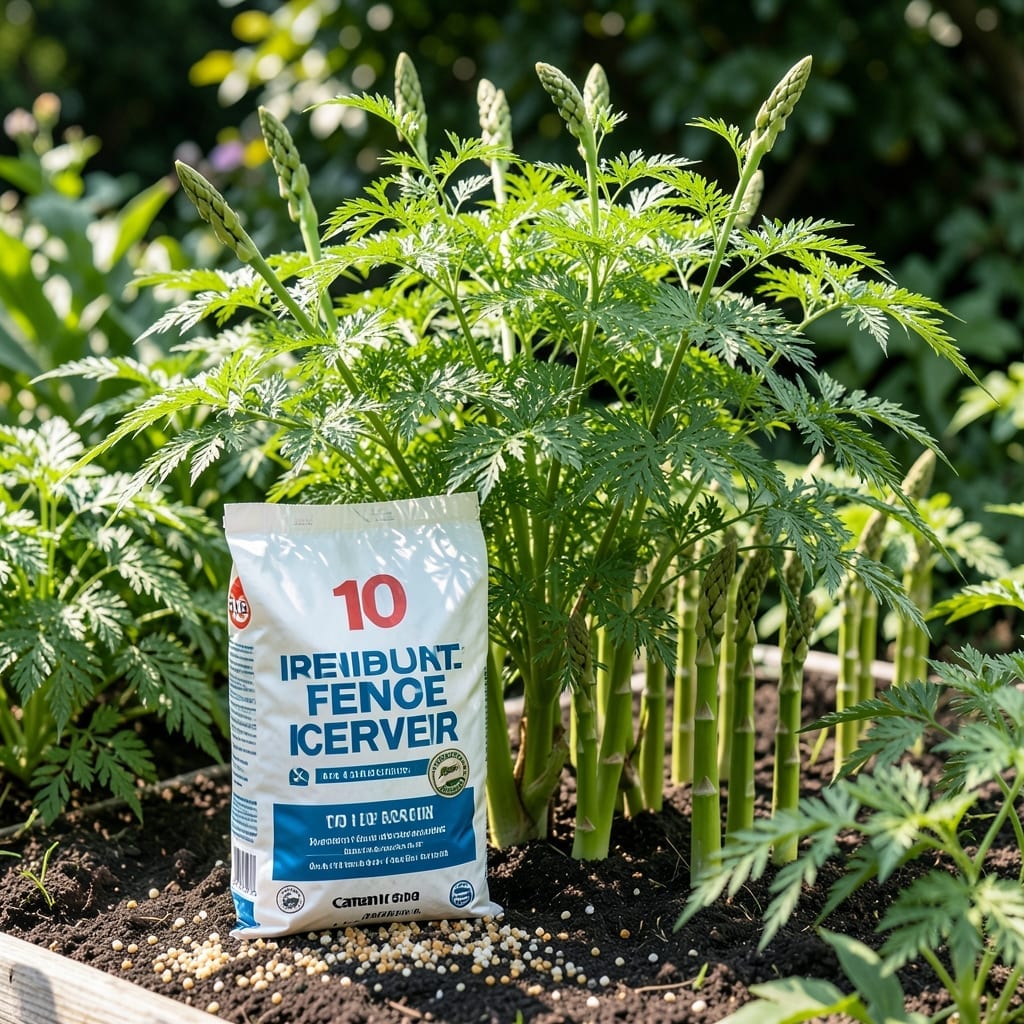
Asparagus plants are heavy feeders, and getting their nutrition right can make or break your harvest. I’ve seen gardeners struggle with weak, spindly spears when they skimp on the good stuff.
That’s why many turn to a balanced approach for their 🥬 asparagus beds. The right formula at the right time can transform your patch from disappointing to bountiful.
Discover how to give your plants exactly what they need for stronger growth and bigger yields this season.
The 10-10-10 fertilizer offers a perfect balanced nutrition profile for asparagus plants. This formula provides equal parts nitrogen, phosphorus, and potassium, which are all essential for different growth stages.
Asparagus needs nitrogen for lush foliage, phosphorus for strong root development, and potassium for disease resistance and spear production. This makes the 10-10-10 blend particularly effective for both establishment and production phases.
| Nutrient | Purpose | Benefit for Asparagus |
|---|---|---|
| Nitrogen (N) | Leaf growth | Promotes healthy fern growth |
| Phosphorus (P) | Root development | Strengthens root system for better nutrient uptake |
| Potassium (K) | Disease resistance | Boosts spear production and plant health |
During the establishment phase, the phosphorus in 10-10-10 fertilizer helps develop a robust root system. This is crucial because asparagus is a perennial plant that will produce for years if properly established.
In the production phase, the nitrogen supports the rapid growth of asparagus spears while potassium helps the plant resist diseases and environmental stresses. This balanced approach ensures your plants stay healthy and productive.
I’ve found that using 10-10-10 fertilizer in early spring, just as new growth begins, gives asparagus the nutrient boost it needs. The slow-release nature of this fertilizer means it feeds the plant consistently over time.
Remember, asparagus is a heavy feeder, so it benefits from regular feeding. The balanced NPK ratio in 10-10-10 ensures all nutritional needs are met without overemphasizing one element at the expense of others.
For best results, I recommend applying 1-2 lbs per 100 sq ft in early spring. This gives your asparagus the nutritional foundation it needs for a strong start to the growing season.
Another advantage of 10-10-10 fertilizer is its versatility. Whether you’re growing asparagus in raised beds or traditional garden rows, this fertilizer adapts well to different growing conditions.
In my experience, plants fertilized with 10-10-10 produce thicker, more vigorous spears. The balanced nutrition supports all aspects of growth, from the roots to the edible parts we love to harvest. 🌱
Timing is everything when applying 10-10-10 fertilizer to asparagus. I always recommend feeding in early spring just as new spears begin to emerge from the soil.
This gives your plants a nutrient boost right when they need it most. The application rate matters too – aim for 1-2 lbs per 100 sq ft for established beds.
Early Spring application when spears emerge
Side-dressing method for established plants
1-2 lbs per 100 sq ft application rate
Water thoroughly after application
For new plantings, I suggest a lighter application of 1 lb per 100 sq ft to avoid burning tender young roots. Always water thoroughly after applying to help the nutrients soak into the soil.
The side-dressing method works best for asparagus. I create a small trench about 6 inches from the plant row and sprinkle the fertilizer there before covering it with soil.
This keeps the fertilizer away from the crowns while ensuring the roots can access the nutrients. Remember that asparagus is a perennial crop, so you’ll want to feed it lightly after harvest too.
A second application in early summer can help maintain vigorous growth. Just be careful not to over-fertilize, as this can lead to weak spears or excessive foliage at the expense of edible shoots.
I’ve found that morning applications work best, as they give the fertilizer time to soak in before the heat of the day. This approach has consistently given me thicker, more productive spears year after year. 🌱