
Beautiful Plants For Your Interior
Beautiful Plants For Your Interior
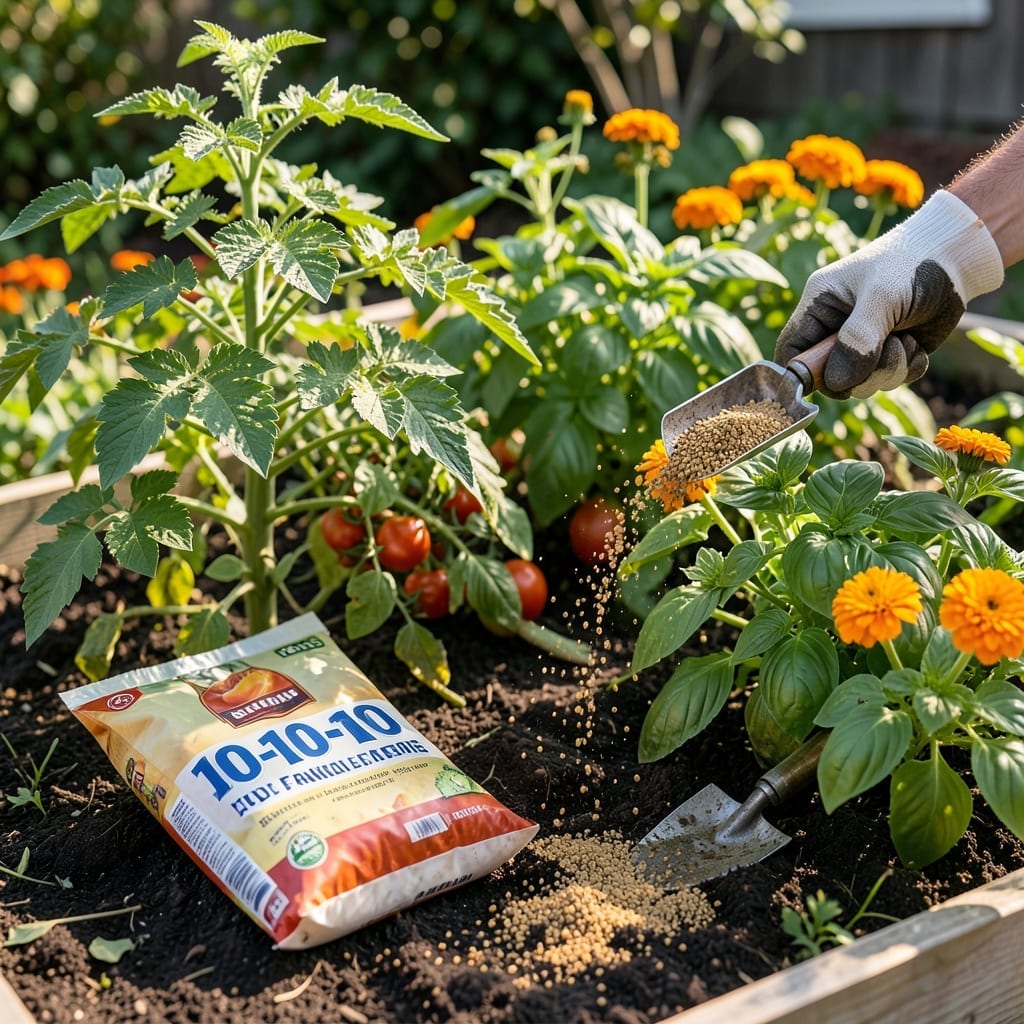
Using 10-10-10 fertilizer correctly can mean the difference between lush, thriving 🌱 General Plants and wasted effort. This balanced fertilizer provides equal parts nitrogen, phosphorus, and potassium.
But the key to success lies in the application rate. Too little, and your plants won’t reach their full potential. Too much, and you risk burning them.
I’ll walk you through exactly how to apply it for healthy growth in your garden. Whether you’re a beginner or a seasoned gardener, these guidelines will help.
Discover the per-plant rates that work best for General Plants in zone 6 during the spring season. Let’s get started.
Getting the 10-10-10 fertilizer application rate right ensures your plants receive balanced nutrition. This all-purpose fertilizer works well for vegetables, flowers, shrubs, and lawns, but each has unique needs.
For most garden vegetables, I recommend 1 pound per 100 square feet or 1 tablespoon per plant. Always water thoroughly after applying to prevent root burn.
| Plant Type | Application Rate | Frequency |
|---|---|---|
| Vegetables | 1 lb per 100 sqft | Every 4-6 weeks |
| Flowers | 1 tbsp per plant | Every 4-6 weeks |
| Shrubs | 2 lbs per 100 sqft | Every 6-8 weeks |
| Lawns | 10 lbs per 1,000 sqft | Every 6-8 weeks |
For flower beds, a light application of 1 tablespoon per plant every 4-6 weeks promotes vibrant blooms without overfeeding. Always check soil moisture before and after applying.
Shrubs and trees benefit from a heavier rate of 2 pounds per 100 square feet. I apply this in early spring and late summer for best results.
When fertilizing lawns, I use 10 pounds per 1,000 square feet. This ensures even coverage and lush green growth throughout the season.
A soil test can refine your 10-10-10 fertilizer application rate. If your soil is nutrient-rich, you may need less fertilizer. If it’s depleted, a slightly higher rate can help.
For container gardens, I use 1 teaspoon per gallon of soil every 4 weeks. Containers often need more frequent feeding due to limited nutrient availability.
Remember, more isn’t better with fertilizer. Over-application can lead to leaf burn or nutrient runoff, harming your plants and the environment.
I always apply 10-10-10 fertilizer in the early morning when the soil is damp. This helps prevent root shock and ensures nutrients are readily available. 🌱
I’ve found that soil type dramatically affects how your 10-10-10 fertilizer performs. Sandy soils drain quickly, so I use a slightly higher rate to compensate for nutrient leaching.
Clay soils hold nutrients tightly, so I reduce the rate by 20-30% to prevent buildup. Loamy soil, the ideal, needs the standard rate as it balances drainage and retention. 🌱
I always test my soil before adjusting rates. A simple home test kit reveals pH and nutrient levels, helping me fine-tune applications. Over-fertilizing shows as leaf burn or excessive foliage with poor fruiting.
For new gardens, I start with half the recommended rate to avoid shocking plants. Established plants can handle full strength, but I watch for yellowing leaves or stunted growth as warning signs.
I’ve learned that organic matter improves all soil types. Adding compost before fertilizing helps sandy soil retain nutrients and clay soil drain better. This means I can often use standard rates.
Remember, morning application is best as it allows plants to absorb nutrients before heat sets in. I also water deeply after applying to help distribute the fertilizer evenly through the root zone. 🌿