
Beautiful Plants For Your Interior
Beautiful Plants For Your Interior
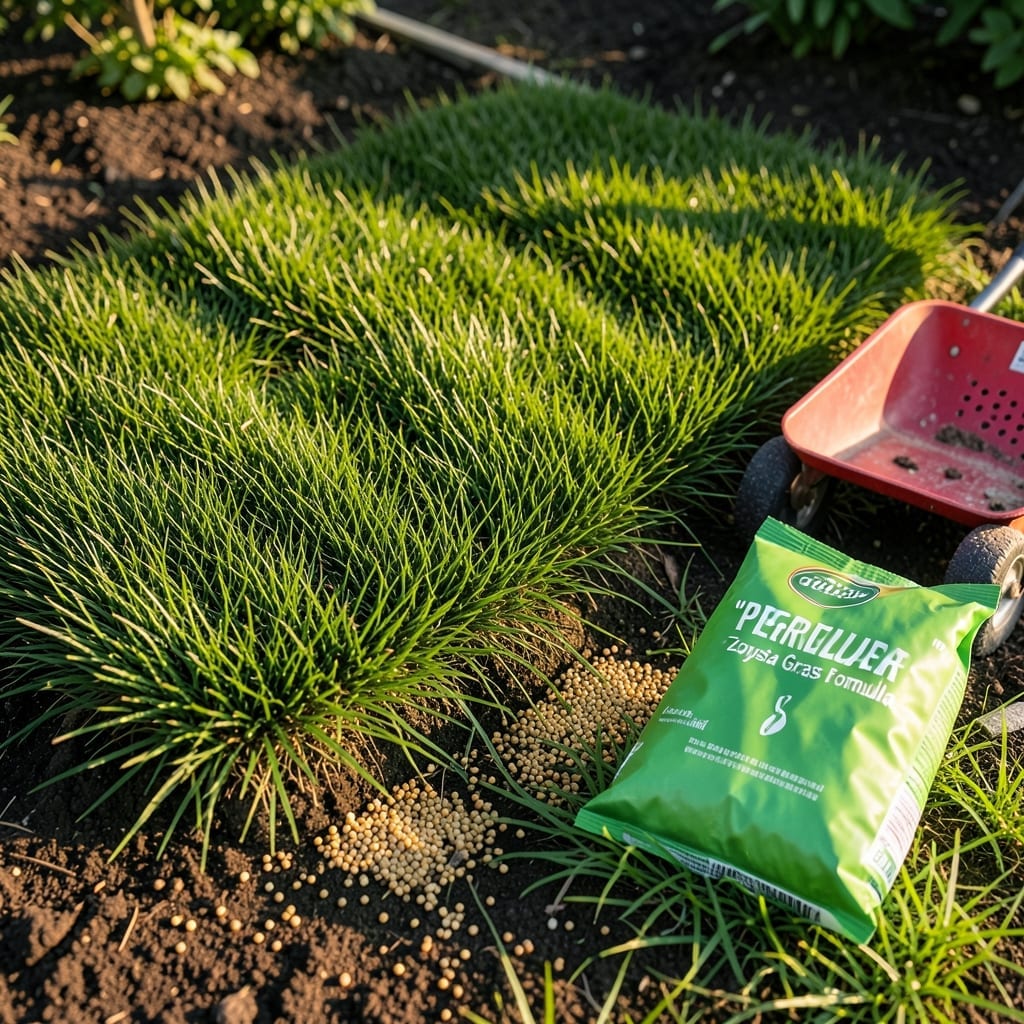
A well-timed feeding plan is the difference between a lackluster lawn and a lush, vibrant Zoysia Grass carpet. I’ve seen too many homeowners struggle with patchy or dull turf simply because they missed the mark on timing.
Getting the schedule right means understanding your grass’s seasonal needs. With the right approach, you’ll transform your yard into the envy of the neighborhood without wasting time or money.
Discover how to feed your 🌱 Zoysia Grass at the perfect moments for maximum impact. Let me walk you through the most effective strategy.
Timing your Zoysia Grass feeding correctly ensures a lush, resilient lawn. I’ve learned that this warm-season grass thrives with a seasonal approach, responding best to careful timing and the right nutrients.
Spring feeding kickstarts growth, while summer applications maintain color during heat stress. Fall fertilization prepares the grass for winter dormancy, making each season’s schedule unique.
| Season | Action | NPK Ratio |
|---|---|---|
| Late Spring | Full Feed | 16-4-8 |
| Early Summer | Light Feed | 16-4-8 |
| Late Summer | Light Feed | 16-4-8 |
| Early Fall | Light Feed | 16-4-8 |
| Winter | Skip | N/A |
*Apply 1 lb/1000 sqft every 6-8 weeks in growing season
In late spring, I recommend a full feed with a 16-4-8 NPK ratio to promote early green-up and root growth. This is when the grass emerges from dormancy.
During summer months, a light feeding every 6-8 weeks maintains color and density. Be cautious—over-fertilizing in extreme heat can stress the grass.
As temperatures cool in early fall, another light application strengthens the roots. This prepares the lawn for winter dormancy and ensures a stronger return next spring.
Winter fertilization is unnecessary. Zoysia enters dormancy, and feeding it now can promote weak growth that’s vulnerable to cold damage.
Always test your soil before fertilizing. A pH between 6.0-6.5 is ideal for Zoysia. If your soil is too acidic or alkaline, adjust it first for best results.
Water your lawn deeply after fertilizing to help nutrients penetrate the soil. I prefer doing this in the early morning to reduce evaporation and fungal risks.
Remember, slow-release fertilizers are your best friend. They provide a steady nutrient supply, reducing the risk of burning your grass and minimizing runoff.
🌱Choosing the right fertilizer for your Zoysia Grass can make or break your lawn’s health. I’ve tested various options and found that slow-release fertilizers consistently deliver the best results with less risk of burn.
A 16-4-8 NPK ratio is ideal for Zoysia, providing the perfect balance of nitrogen for growth, phosphorus for roots, and potassium for strength. This ratio supports vibrant color and resilience.
| Type | Pros | Cons |
|---|---|---|
| Slow-Release | Steady nutrients, less burn risk | Higher cost |
| Quick-Release | Fast greening, budget-friendly | Risk of burn, frequent apps |
| Organic | Eco-friendly, soil health | Slower results |
For even coverage, I always use a broadcast spreader. Walk in parallel lines to avoid overlaps or misses. Calibrate your spreader first—this prevents over-application that can harm your lawn.
Water immediately after applying to activate the fertilizer and prevent burn. I do this in the early morning to allow absorption before heat sets in. This also reduces the chance of pets or kids tracking fertilizer indoors.
If you’re unsure about soil needs, a soil test is invaluable. It reveals deficiencies and pH levels, ensuring you pick the right fertilizer blend for your Zoysia’s specific needs.
For organic lovers, compost or corn gluten meal are excellent choices. They improve soil structure while feeding your grass, though they work more slowly than synthetic options.
🌱