
Beautiful Plants For Your Interior
Beautiful Plants For Your Interior
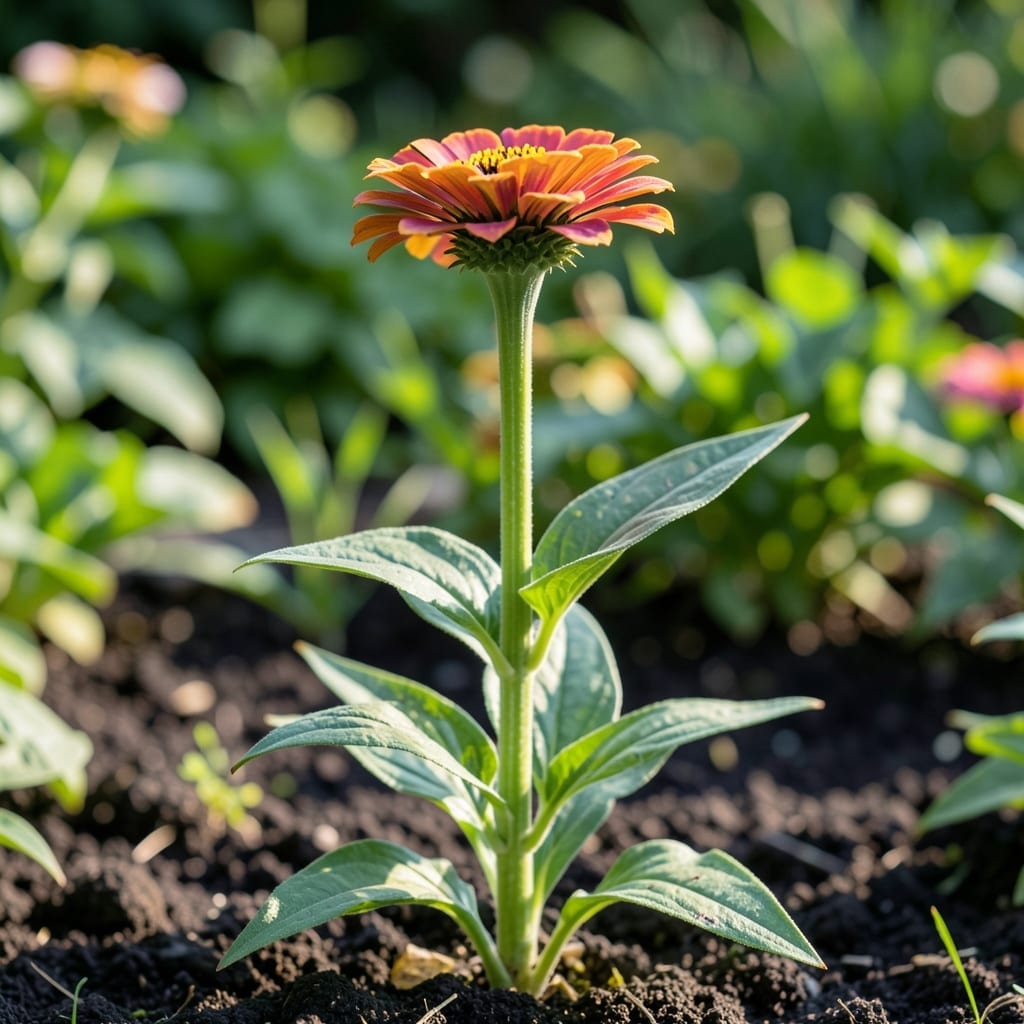
Zinnias are a gardener’s dream for their vibrant, long-lasting blooms—but getting their light requirements right is key to a stunning display.
I’ve learned the hard way that these cheerful flowers have specific needs. The 🌼 Zinnia thrives in certain conditions, and understanding them can transform your garden.
Discover whether these beauties demand full sun or can tolerate shade, and how to create the perfect environment for their success.
 Best Window Placement
If you’re wondering whether zinnias need full sun, the short answer is yes. These vibrant flowers absolutely thrive in 6+ hours of direct sunlight daily. I’ve seen firsthand how their colors pop and growth accelerates with ample sun exposure.
While some plants adapt to shade, zinnias are sun-worshippers. They’ll grow in partial shade, but you’ll notice fewer blooms and weaker stems. For the best results, prioritize a sunny spot in your garden.
| Requirement | Specification |
|---|---|
| Ideal Light | Full sun |
| Minimum Sunlight | 6+ hours daily |
| Shade Tolerance | Limited |
| Best Window | South-facing |
In my experience, zinnias planted in full sun produce the most vibrant blooms and strongest stems. They’ll grow taller and more robust, perfect for cutting and arranging in bouquets.
If you must plant them in partial shade, choose a spot with morning sun. This ensures they get the most intense light of the day. Avoid deep shade, as it often leads to leggy growth and fewer flowers.
Soil quality also plays a role in their sun tolerance. Well-draining, fertile soil helps zinnias make the most of the light they receive. I always amend my garden beds with compost before planting.
For container gardening, place your pots where they’ll get maximum sunlight. Balconies, patios, and sunny windowsills work well. Just ensure the containers have drainage holes to prevent waterlogging.
Another tip: if you’re in a hot climate, a bit of afternoon shade can actually benefit zinnias. It prevents heat stress and keeps the blooms fresh longer. I’ve noticed this works especially well in USDA zones 8-11.
Remember, consistent watering is crucial, especially in full sun. Aim for 1 inch of water per week, ideally in the morning. This helps the plants stay hydrated and vibrant throughout the growing season.
Finally, don’t forget to deadhead spent blooms. This encourages more flowers to form and keeps your zinnias looking their best, no matter where they’re planted. With the right care, these flowers will reward you with months of color ☀️
While full sun is ideal, some zinnia varieties can handle partial shade. I’ve tested several that still produce beautiful blooms with just 4-6 hours of sunlight daily.
These shade-tolerant zinnias often have brighter colors and compact growth, making them perfect for borders or containers. They won’t reach the same height as sun-loving types but still deliver stunning displays.
| Variety | Shade Tolerance | Height |
|---|---|---|
| Crystal Series | High | 12-18 inches |
| Thumbelina | Moderate | 6 inches |
| Profusion | Good | 12-18 inches |
| Zahara | Fair | 12-24 inches |
The Crystal Series is my top pick for shady spots. Its dwarf habit and abundant blooms make it a standout. The flowers come in vibrant pinks, oranges, and yellows.
Thumbelina zinnias are perfect for containers or front borders. Their small size and long bloom season compensate for less light. Just ensure they get morning sun for best results.
For a balance of height and shade tolerance, try Profusion zinnias. They’re disease-resistant and thrive in both garden beds and pots. Their double flowers add texture to any arrangement.
Even in partial shade, Zahara zinnias perform well if given consistent moisture. Their heat tolerance makes them a great choice for warmer climates with dappled sunlight 🌼