
Beautiful Plants For Your Interior
Beautiful Plants For Your Interior
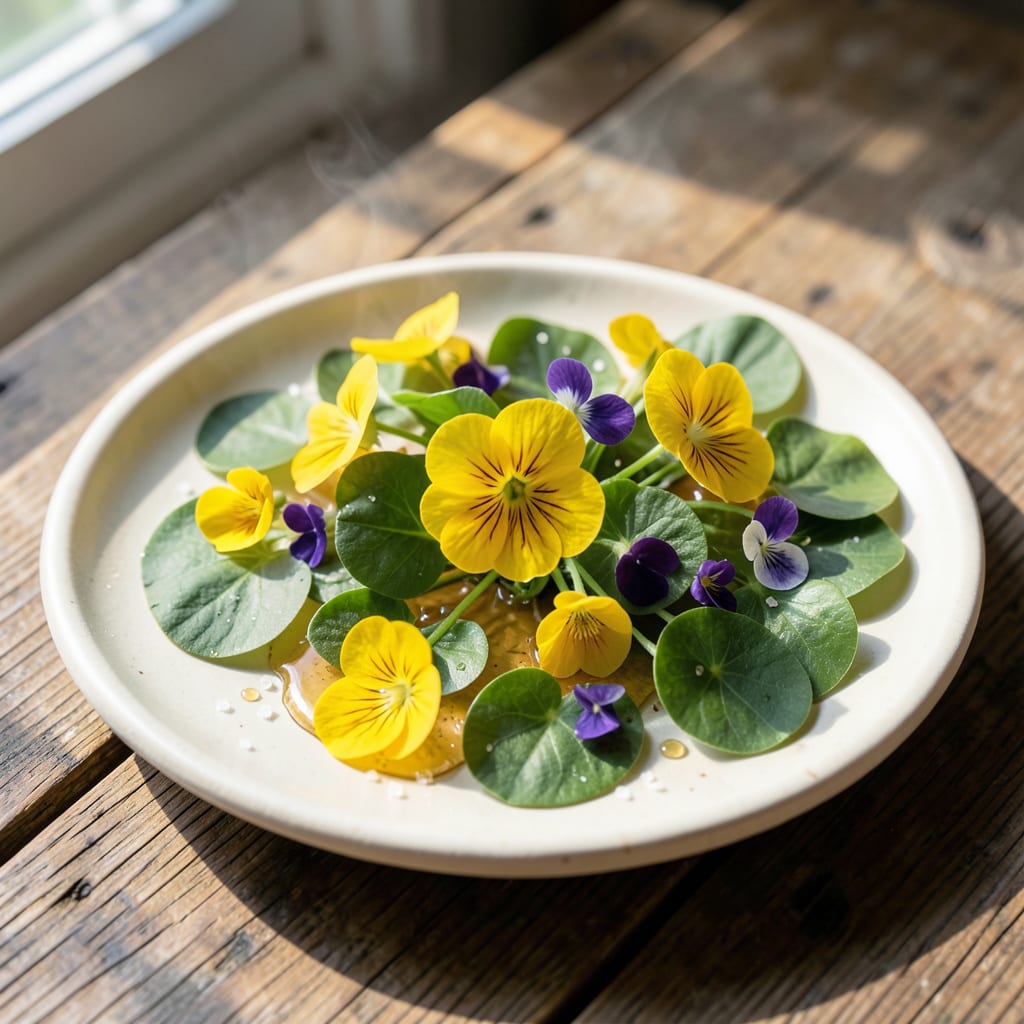
This little wildflower packs a citrus punch that surprises everyone. I first spotted its bright yellow blooms peeking through my garden path and knew it was special.
It thrives in partial shade with minimal care, spreading gently to form a vibrant ground cover. The leaves and flowers add a tangy flavor to salads, and it self-seeds easily for year-after-year returns.
📚 In This Guide
Here’s how I find and collect this bright little wild edible without harming the plant or its habitat.
Look for yellow wood sorrel in partial shade under trees or along forest edges, especially in moist but well-drained soil. The plant forms small clumps with clover-like leaves arranged in groups of three, and its bright yellow flowers have five delicate petals that close at night and in rain.
Confirm the identification by checking for its distinctive heart-shaped leaflets with a slight fold along the midline. I always double-check that there are no look-alike toxic plants nearby, like some members of the oxalis family that can cause stomach upset in large quantities.
Select plants that look vigorous with plenty of blooms and leaves. Avoid patches near roadsides, agricultural fields, or areas that may have been sprayed with pesticides. A healthy colony will have multiple plants growing in close proximity, giving you enough to harvest without depleting the population.
I focus on areas where the plants are 4-6 inches tall with multiple flower stems. If you see only a few small plants, move on to another location. Sustainable foraging means never taking more than 10% of any patch to ensure the plants can regenerate.
Use clean, sharp scissors or your fingernails to snip flower stems and a few leaves from each plant. Cut just above a leaf node to encourage new growth. The flowers are most flavorful when fully open in the morning sun, so I time my harvesting for mid-morning after the dew has dried.
Place your harvest in a breathable container like a paper bag or basket. Avoid plastic bags, which can cause the delicate flowers to sweat and spoil quickly. A small handful of flowers and leaves is plenty for most culinary uses, as the flavor is quite potent.
Keep your harvest in a cool, dry place until ready to use. Yellow wood sorrel flowers and leaves are best used fresh, as they lose their bright flavor and color when dried. I rinse them gently under cool water to remove any dirt or small insects, then pat them dry with a clean towel.
The flowers make a beautiful, edible garnish with a tangy lemon flavor, while the leaves can be added to salads or used as a seasoning. For the best flavor experience, use them within 24-48 hours of harvesting, as the delicate petals will begin to wilt after that.
Here are the things I wish I’d known before my first foraging trip for these sunny little blooms.
Identification Safety: Always confirm those heart-shaped leaflets with the midline fold before harvesting. I once nearly picked a look-alike oxalis that would have ruined my evening. The real deal has exactly five yellow petals and closes at night—double-check these details to stay safe.
Sustainable Harvesting: Stick to that 10% rule from Step 2 religiously. I carry a small ruler to measure plant height, only taking from those 4-6 inch specimens. It’s tempting to gather more when you find a lush patch, but leaving 90% ensures the colony thrives for next time.
Timing Matters: Mid-morning after the dew dries is ideal for Step 3, as the flowers are fully open and at peak flavor. I learned the hard way that harvesting in the afternoon gives you closed buds and less zing. The 24-48 hour window for using them is non-negotiable—they wilt fast.
Storage Solution: That paper bag or basket from Step 3 isn’t just for show. Plastic traps moisture, turning your prize into a sad, slimy mess within hours. I keep a stack of paper lunch bags in my foraging kit just for this reason.
Yes! The flowers, leaves, and stems of yellow wood sorrel (Oxalis stricta) are all edible and have a tangy, lemony flavor. Enjoy them raw in salads or as a garnish, but avoid large quantities due to oxalic acid content.
It typically blooms from late spring to early fall, with peak flowering in summer. The bright yellow flowers open in sunlight and close at night or in shade.
Absolutely! It thrives in partial shade and well-drained soil. Scatter seeds in early spring or divide existing plants. It’s low-maintenance but can spread quickly, so plant in contained areas.
If you can’t find it, try other tangy greens like common sorrel, dandelion leaves, or even a squeeze of lemon on mild greens to mimic its zesty flavor.
Brown leaves often indicate too much direct sunlight or dry soil. Move it to a shadier spot and keep the soil consistently moist to revive it.
