
Beautiful Plants For Your Interior
Beautiful Plants For Your Interior
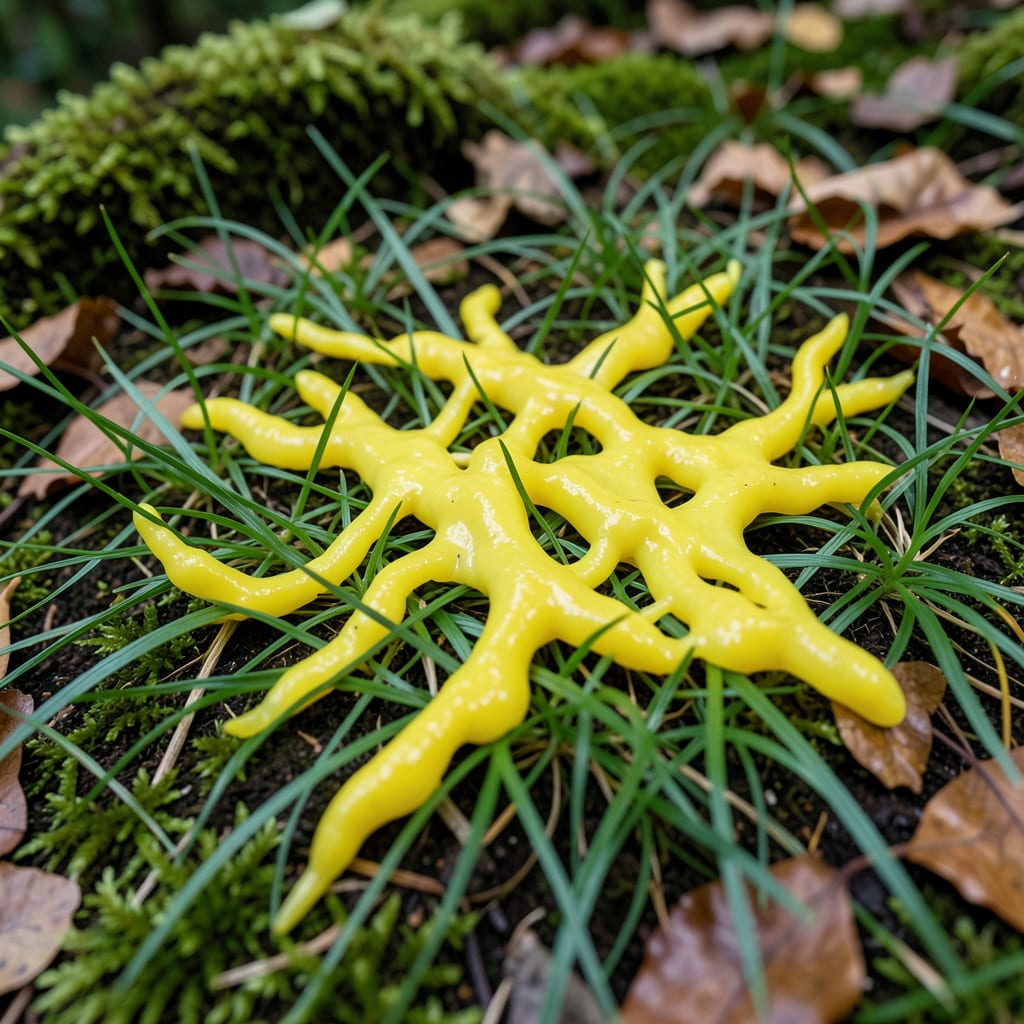
That yellow stuff on your lawn isn’t paint—it’s slime mold. I first spotted it last summer, a bright splash of mustard across my grass, and panicked until I learned it’s more annoyance than apocalypse.
Here’s the thing—it’s not a fungus, not a plant, and not particularly harmful. It appears overnight during warm, wet weather, thriving on organic matter like mulch or thatch. Your lawn won’t die from it, but it sure looks alarming.
Removal is simpler than you’d think. A rake, a hose, or even just waiting for dry weather often does the trick. For stubborn patches, a little dish soap in water breaks it down without chemicals.
Prevention comes down to airflow and sunlight. Trim back overhanging branches, mow regularly, and avoid overwatering. Keep your grass healthy, and slime mold moves on.
Yellow slime mold on grass often appears due to specific environmental conditions that favor its development. Understanding these triggers helps in both treatment and prevention.
Slime molds thrive in damp environments. Overwatering, poor drainage, or prolonged rain can create the perfect breeding ground. Grass that stays wet for extended periods encourages the growth of Fuligo septica, the most common yellow slime mold. Reducing irrigation frequency and improving soil drainage can mitigate this issue.
Decaying leaves, thatch, or mulch provide the organic matter slime molds feed on. When these materials accumulate on grass, they create a nutrient-rich layer that supports slime mold spores. Regularly raking and removing debris helps deprive the mold of its food source.
Yellow slime mold flourishes in temperatures between 60°F and 80°F (15°C–27°C), especially when humidity is high. These conditions accelerate spore germination and growth. While you can’t control the weather, aerating the lawn and ensuring proper airflow can reduce humidity at the soil level.
Compacted soil or nutrient-poor grass struggles to outcompete slime mold. Weak turf allows the mold to dominate. Aerating the lawn and applying balanced fertilizer strengthens the grass, making it less susceptible to infestations.
Dealing with yellow slime mold on your lawn doesn’t have to be a headache. Here’s how to tackle it based on the most common causes—and keep it from coming back.
If excess moisture is the culprit, start by reducing watering and letting the grass dry out. Water only in the early morning so the lawn has time to dry during the day. For areas with poor drainage, aerate the soil to improve airflow and prevent waterlogging. Consider adding organic matter like compost to boost soil structure.
Compacted soil traps moisture and creates the perfect environment for slime mold. Use a garden fork or core aerator to loosen the top 2–3 inches of soil. This allows water to drain properly and roots to breathe. For severe compaction, top-dress with sand or fine compost to improve soil texture over time.
Slime mold thrives on decaying leaves, grass clippings, and thatch. Rake up debris weekly, especially in shady, damp spots. Bag your grass clippings if the mold is active to avoid spreading spores. For thick thatch layers, use a dethatching rake or rent a power dethatcher to remove the buildup.
Trim back overhanging branches or thin out nearby shrubs to let more sunlight reach the grass. If shade is unavoidable, switch to shade-tolerant grass varieties like fine fescue. Improve airflow by mowing regularly and keeping the lawn at the recommended height for your grass type.
Prevention Tips: 💡
With these steps, your lawn will bounce back—and stay slime-free! ✨
No, yellow slime mold is harmless to grass, pets, and humans. It doesn’t damage turf and typically disappears on its own within a few weeks.
With dry weather, it often fades in 1-2 weeks. Raking or hosing the area can speed up removal. Avoid chemicals—this isn’t a disease.
Yes, mowing can spread spores if the mold is active. Bag clippings and clean your mower deck afterward to prevent new patches.
A mix of 1 tablespoon dish soap per gallon of water sprayed on the area breaks it down safely. Cornmeal also works as a preventive.
