
Beautiful Plants For Your Interior
Beautiful Plants For Your Interior
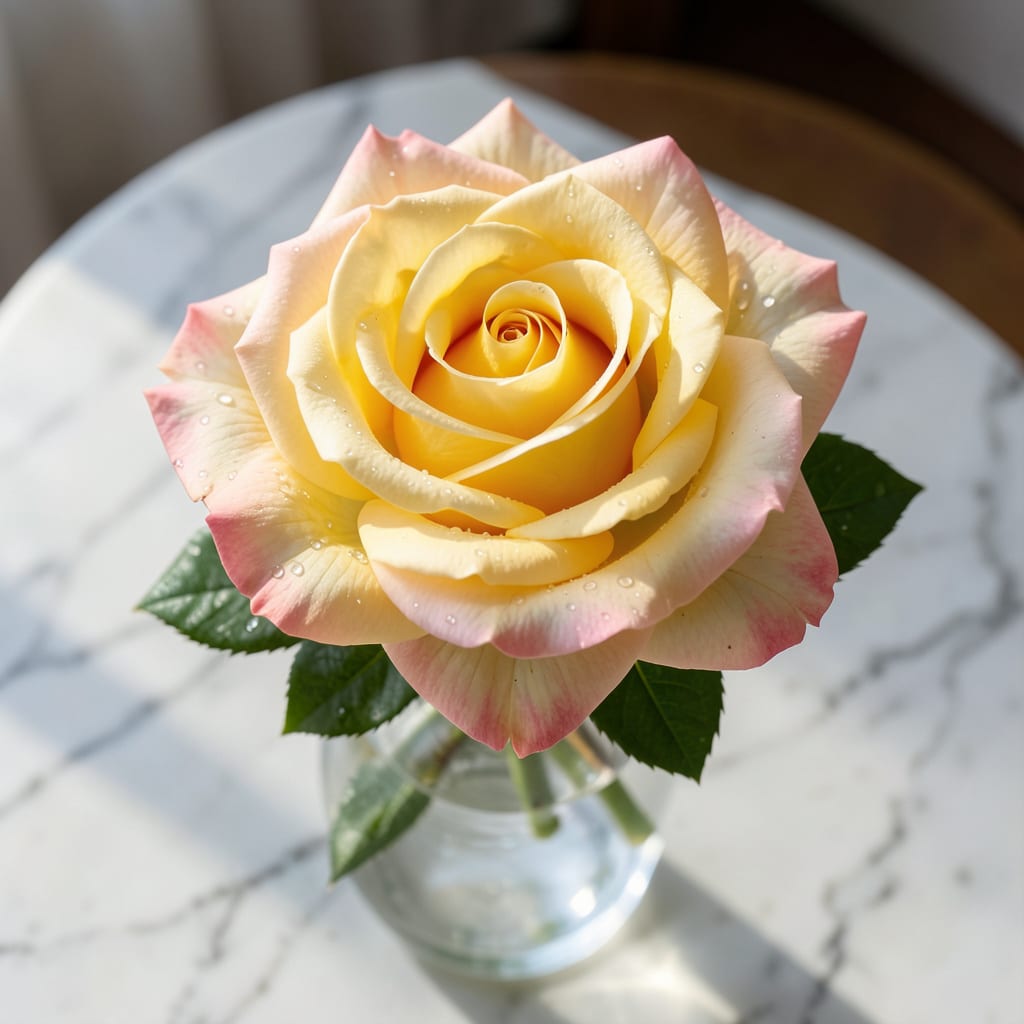
Some roses just stop you in your tracks. That first time I saw a yellow bloom with soft pink edges catching the morning light, I knew it was different from every other flower in my garden.
These bicolor beauties bring a striking contrast that works in both formal beds and casual cottage gardens. They bloom repeatedly all season, filling the air with a light, sweet fragrance that lingers long after cutting.
📚 In This Guide
Here’s the approach I use to keep these bicolor beauties thriving in my garden year after year.
Select a spot that receives 6-8 hours of direct sunlight daily. These roses need full sun to develop their vibrant colors and strong blooms. Partial shade works, but you’ll sacrifice some of that striking pink-edge contrast.
Avoid low-lying areas where cold air or water might pool. The soil should drain well—if water sits on the surface for more than 30 minutes after a heavy rain, pick a different location or amend the soil with compost.
Work the soil to a depth of 18-24 inches and mix in plenty of organic matter, like aged compost or well-rotted manure. This ensures good drainage while holding enough moisture for steady growth.
Dig a hole twice as wide as the root ball but just as deep. Place the rose in the hole so the graft union (the bulge near the base) sits 1-2 inches above the soil line. Backfill with the amended soil and water deeply to settle everything in place.
Water thoroughly after planting, giving each rose 1-2 gallons of water. Keep the soil consistently moist but never soggy during the first 2-3 weeks—this helps the roots establish.
Once established, water deeply once a week unless rainfall provides an inch or more. Apply a 2-3 inch layer of mulch around the base to retain moisture and suppress weeds, but keep it a few inches away from the stems to prevent rot.
Prune in early spring, just as new growth begins. Remove any dead, diseased, or crossing branches first. Then, shape the plant by cutting back one-third of the previous year’s growth to encourage strong, new canes.
Always use clean, sharp pruners and make cuts at a 45-degree angle just above an outward-facing bud. This directs growth outward, improving airflow and reducing disease risk.
Apply a balanced rose fertilizer in early spring, following package instructions. I like to use a slow-release granular type that feeds for 6-8 weeks. Repeat every 4-6 weeks throughout the growing season, stopping 8 weeks before the first frost.
For an extra boost, work in a handful of compost around the base each month. This keeps the soil rich and supports continuous blooming. You’ll notice the pink edges on the petals become more pronounced with consistent feeding.
Small adjustments make a big difference in growing these stunning bicolor roses.
The Sunlight Factor: Those 6-8 hours of direct sunlight daily are non-negotiable for vibrant color development. I learned the hard way that even partial shade dulls the pink edges. If your garden has limited sun, consider container planting so you can move the rose to follow the light.
Drainage Test: That 30-minute drainage check after rain is crucial. Here’s what nobody tells you—soggy soil doesn’t just drown roots, it washes away the nutrients your rose needs to maintain that striking bicolor pattern. If water pools, amend with compost or choose a raised bed.
Planting Depth: Positioning the graft union 1-2 inches above soil line prevents rot and encourages strong growth. I’ve seen gardeners bury it too deep, only to lose their roses to disease. The bulge should be visible above ground after backfilling.
Pruning Precision: Cutting at a 45-degree angle just above an outward-facing bud isn’t just for looks. This technique channels energy to the strongest growth points, which means more blooms with those beautiful pink edges. Dull pruners can crush stems—keep them sharp!
This bicolor beauty often represents friendship (yellow) blended with gratitude or admiration (pink). It’s perfect for celebrating bonds with a touch of elegance.
Treat it like other roses: full sun, well-drained soil, and regular watering. Prune dead blooms to encourage new growth and maintain vibrant colors.
Early spring or fall is ideal, allowing roots to establish before extreme heat or frost. Avoid summer planting to reduce stress on the plant.
Yes! Choose a large pot with drainage, use quality potting mix, and ensure it gets 6+ hours of sunlight daily. Container roses may need more frequent watering.
Fading can result from too much shade, nutrient deficiencies, or aging blooms. Ensure proper sunlight and fertilize with a balanced rose food to restore vibrancy.
