
Beautiful Plants For Your Interior
Beautiful Plants For Your Interior
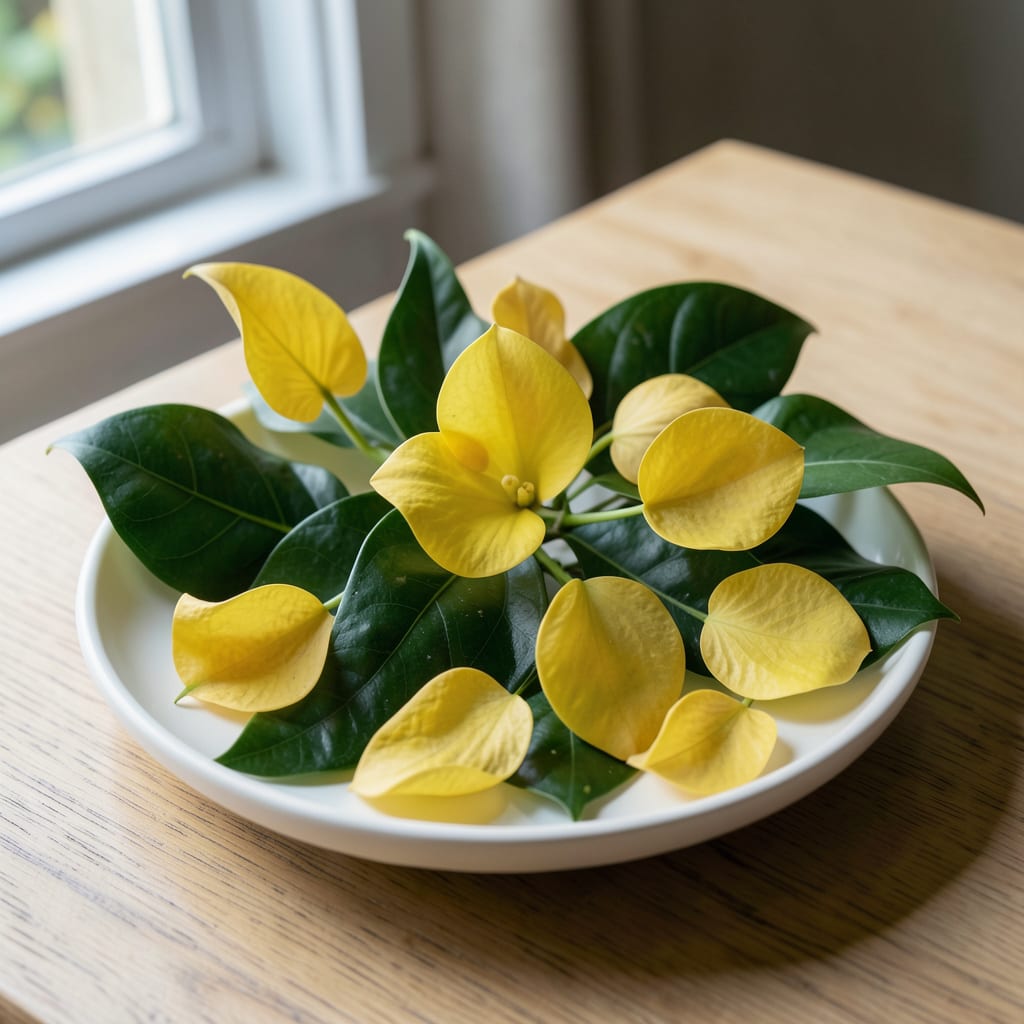
My stephanotis went from lush green to yellow overnight, and I panicked. Turns out, it was trying to tell me something—overwatering, lack of light, or maybe a hungry pest.
Here’s the thing—yellow leaves don’t mean your plant is doomed. Most issues fix with a few simple changes. I’ve brought back plants that looked worse than this with the right adjustments.
You’ll learn to spot the difference between thirst and drowning, between hunger and overfeeding. The solutions are foolproof once you know what to look for.
No fancy equipment needed, just observation and a little patience. Your stephanotis can bounce back stronger than before.
Stephanotis plants develop yellow leaves due to several stress factors. Below are the most common causes, explained with actionable insights.
Excess moisture suffocates the roots, preventing oxygen uptake. This leads to root rot, where fungal pathogens (e.g., Phytophthora) attack the roots, disrupting nutrient transport. As a result, leaves turn yellow and may wilt. Action: Check soil moisture before watering—let the top 1–2 inches dry out. Ensure pots have drainage holes.
Stephanotis thrives in bright, indirect light. Low light reduces chlorophyll production (the green pigment essential for photosynthesis), causing chlorosis (yellowing). Leaves may also appear pale or drop prematurely. Action: Move the plant to an east- or west-facing window, or use a grow light for 12–14 hours daily.
Sudden temperature drops below 55°F (13°C) or exposure to cold drafts can shock the plant, leading to yellowing. Stephanotis prefers stable temperatures between 65–80°F (18–27°C). Action: Keep the plant away from AC vents, drafty windows, or heaters. Use a thermometer to monitor conditions.
A lack of nitrogen, magnesium, or iron often causes yellowing. Nitrogen deficiency starts with lower leaves turning uniformly yellow, while magnesium deficiency causes interveinal chlorosis (yellowing between veins). Iron deficiency affects younger leaves first. Action: Use a balanced, water-soluble fertilizer (e.g., 10-10-10) every 4–6 weeks during growing season. For iron, apply chelated iron supplements.
Sap-sucking pests like spider mites, aphids, or mealybugs drain nutrients from leaves, causing yellow spots or widespread discoloration. Check undersides of leaves for webbing, sticky residue (honeydew), or white cottony clusters. Action: Wipe leaves with neem oil or insecticidal soap weekly until pests are gone.
Stephanotis leaves turning yellow can often be reversed with the right care. Below are targeted solutions for the most common causes, along with prevention tips to keep your plant thriving.
If soggy soil is the culprit, stop watering immediately and let the top 1-2 inches of soil dry out. Repot the plant in fresh, well-draining mix if root rot is suspected. Use a pot with drainage holes to prevent waterlogging. Prevention tip: 💡 Water only when the topsoil feels dry, and always empty the saucer after watering.
Move your stephanotis to a spot with bright, indirect sunlight, such as an east- or north-facing window. Avoid harsh direct sun, which can scorch leaves. If natural light is limited, supplement with a grow light for 10-12 hours daily. Prevention tip: ✨ Rotate the plant occasionally for even light exposure.
Use a balanced, water-soluble fertilizer (10-10-10 or 20-20-20) diluted to half strength, applied every 4-6 weeks during the growing season. Yellowing from nitrogen deficiency often starts with older leaves. Prevention tip: 🌱 Flush the soil with water every 2-3 months to prevent salt buildup from fertilizers.
Keep your stephanotis in a room with consistent temperatures between 65-80°F (18-27°C). Avoid drafts from windows, AC, or heaters. If cold stress is the issue, move the plant away from chilly areas. Prevention tip: 🔥 Use a small space heater or pebble tray to maintain warmth and humidity in cooler months.
Wipe leaves with neem oil or insecticidal soap to eliminate pests like spider mites or aphids. Isolate the plant to prevent spreading. For stubborn infestations, repeat treatment every 5-7 days. Prevention tip: 🎯 Inspect new plants before introducing them to your collection and maintain good airflow.
Water when the top 1-2 inches of soil feel dry. This typically means every 7-10 days, but frequency varies based on humidity and pot size. Always check moisture first to avoid overwatering.
Unfortunately, once leaves turn yellow, they won’t revert to green. Remove them to redirect energy to healthy growth. Focus on addressing the underlying cause to prevent new yellowing.
Yes, harsh direct sunlight can scorch leaves. Stephanotis prefers bright, indirect light for 10-12 hours daily. Use a sheer curtain to filter intense sunlight if needed.
Use a balanced, water-soluble fertilizer like 10-10-10 or 20-20-20, diluted to half strength. Apply every 4-6 weeks during the growing season for best results.
