
Beautiful Plants For Your Interior
Beautiful Plants For Your Interior
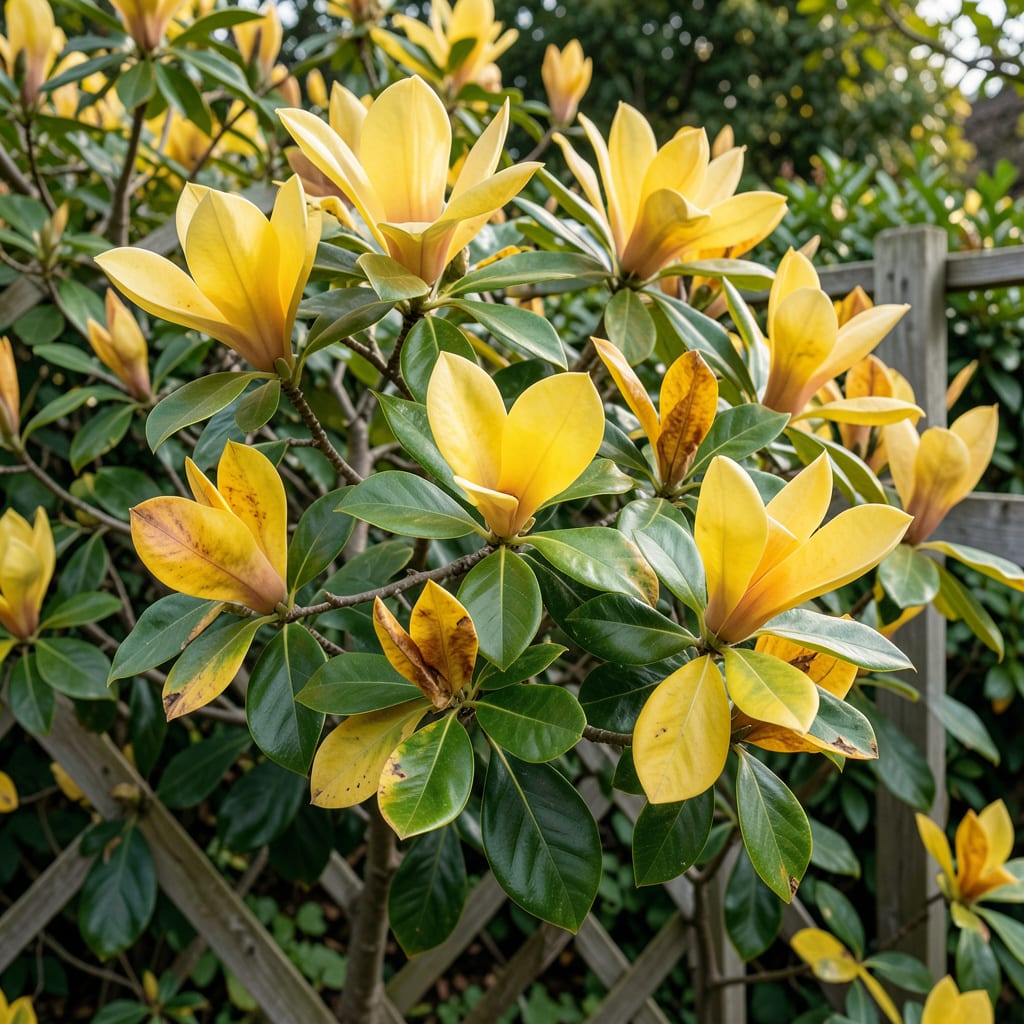
Yellow leaves on your magnolia aren’t always a death sentence. I’ve seen bushes bounce back stronger once the root cause is addressed.
Sometimes it’s just nature’s rhythm—older leaves yellow and drop as new growth emerges. But if it’s happening out of season, we’re likely looking at nutrient deficiencies, overwatering, or pests throwing a wrench in the works.
Diagnosing starts with checking soil moisture, scanning for bugs, and noting which leaves turn first. Most fixes are simple once you know what you’re dealing with.
We’ll sort through the possibilities and get your magnolia back to its glossy green self. No guesswork, just solutions.
Yellow leaves on a magnolia bush can signal several underlying issues, often tied to environmental stress, nutrient deficiencies, or disease. Here are the most common causes:
Magnolias thrive in well-draining soil. Excessive water or compacted soil suffocates roots, limiting oxygen uptake. This leads to chlorosis (yellowing) as roots fail to absorb iron and other essential nutrients. Check for soggy soil or standing water around the base.
A lack of iron, nitrogen, or magnesium often triggers yellowing. Iron deficiency causes interveinal chlorosis (yellow leaves with green veins), common in alkaline soils. Nitrogen deficiency leads to uniform yellowing, starting with older leaves. Test soil pH (ideal: 5.5–6.5) and amend with sulfur or chelated iron if needed.
Extreme heat, drought, or sudden temperature swings stress magnolias, disrupting chlorophyll production. Southern magnolias are drought-tolerant but may yellow if exposed to prolonged dry spells without supplemental watering. Mulch heavily to retain moisture.
Pathogens like Phytophthora root rot or bacterial leaf spot can cause yellowing, often accompanied by spots or wilting. Inspect leaves for dark lesions or mushy roots. Treat with fungicides (e.g., copper-based) and improve airflow to prevent spread.
Some magnolias (e.g., Magnolia stellata) shed older leaves in fall, which may yellow before dropping. This is normal if new growth remains green. However, premature yellowing in spring/summer likely indicates a problem.
Here’s how to tackle yellowing leaves on your magnolia bush, cause by cause:
Fix: Check soil moisture 2 inches deep—it should feel like a damp sponge. If bone-dry, water deeply (1–2 inches per week). If soggy, let it dry out and improve drainage by mixing in compost or sand. Prevention tip: 💡 Mulch around the base to retain moisture evenly, but keep mulch 3 inches from the trunk.
Fix: Test soil with a kit (pH should be 5.5–6.5). For nitrogen deficiency (uniform yellowing), apply a balanced fertilizer (10-10-10) in early spring. For iron deficiency (yellow with green veins), use chelated iron or sulfur to lower pH. Prevention tip: 🌱 Feed magnolias annually with organic matter like compost.
Fix: Inspect leaves for aphids, scale, or fungal spots. Spray pests off with water or use neem oil. For fungal issues (like leaf spot), remove infected leaves and apply fungicide. Prevention tip: ✨ Prune for airflow and avoid overhead watering to reduce humidity.
Fix: Shield young magnolias from harsh afternoon sun with shade cloth. If cold damage is suspected, wrap the bush in burlap during frost warnings. Prevention tip: 🎯 Plant magnolias in sheltered, partially shaded spots if your climate has extreme temperature swings.
Fix: Gently loosen compacted soil around roots with a garden fork. If roots are circling (girdling), prune them carefully. Prevention tip: 🌿 Avoid planting magnolias near sidewalks or driveways where roots may be restricted.
Yes, some magnolias naturally shed older leaves in fall. If new growth stays green, it’s just part of their cycle.
Stick your finger 2 inches into the soil. If it feels soggy, you’re overwatering. Let it dry out before watering again.
Magnolias thrive in slightly acidic soil with a pH of 5.5-6.5. Use a soil test kit and amend with sulfur if needed.
Check for aphids, scale, or spider mites. Treat with neem oil or insecticidal soap if you spot them.
