
Beautiful Plants For Your Interior
Beautiful Plants For Your Interior
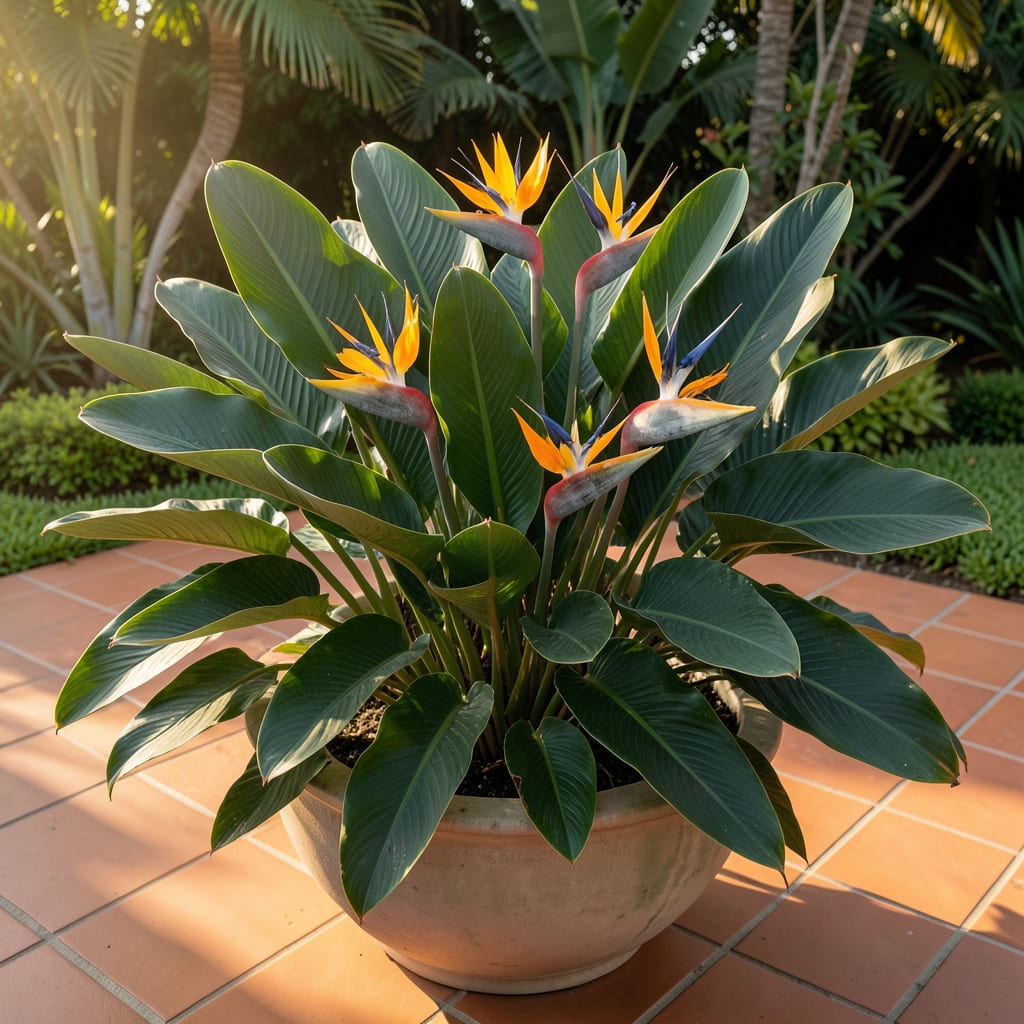
This plant brings the tropics to your backyard with its bold, banana-like leaves and striking yellow flowers. I fell in love with its exotic look the first time I saw one thriving in full sun.
It’s surprisingly low-maintenance once established, needing only well-draining soil and occasional water. The key is giving it space to spread—this beauty can reach 6 feet tall and wide.
📚 In This Guide
This tropical beauty thrives with the right approach—here’s how to cultivate it successfully.
Select a spot with full sun to partial shade, as this plant prefers bright light but can tolerate some afternoon shade, especially in hotter climates. Yellow bird of paradise thrives in well-draining soil, so avoid low-lying areas where water might pool.
If planting in a container, ensure it’s at least 18-24 inches in diameter to accommodate the plant’s mature size. The container should have multiple drainage holes to prevent root rot, which this species is particularly susceptible to.
Dig a hole twice as wide as the root ball but no deeper. Place the plant in the hole so the top of the root ball sits 1-2 inches above the surrounding soil level—this prevents settling, which can suffocate the roots. Backfill with native soil, gently tamping it down to remove air pockets.
Space multiple plants 3-4 feet apart to allow for their eventual spread. Water thoroughly after planting to help settle the soil and encourage root establishment. You’ll notice the plant’s leaves perk up within 24-48 hours if the process is done correctly.
Water deeply 2-3 times per week for the first month after planting, ensuring the soil stays evenly moist but not soggy. Once established, reduce watering to once a week, allowing the top 2-3 inches of soil to dry out between waterings.
This plant is drought-tolerant once mature, but consistent moisture during the first growing season is critical for root development. Yellowing leaves often signal overwatering, while drooping or crispy edges indicate underwatering—adjust accordingly.
Apply a balanced, slow-release fertilizer every 2-3 months during the growing season, following the package instructions for dosage. I prefer a 10-10-10 or 20-20-20 formula to provide even nutrition. Avoid high-nitrogen fertilizers, as they can lead to excessive foliage at the expense of flowers.
Spread a 2-3 inch layer of organic mulch around the base of the plant, keeping it 6 inches away from the trunk to prevent rot. Mulch helps retain moisture, suppress weeds, and regulate soil temperature—key for this tropical species.
Prune dead or damaged fronds in early spring before new growth begins. Use clean, sharp pruning shears to make cuts at a 45-degree angle, just above a leaf node or the base of the stem. This encourages healthy regrowth and prevents disease.
Remove spent flower stalks after blooming to direct energy toward new growth. In colder climates, cut back the plant to 6-12 inches above the ground after the first frost to protect it from winter damage. You’ll see vigorous new growth emerge in spring.
Here’s what I’ve learned through trial and error to keep these tropical stunners thriving.
Location Matters: Step 1 emphasizes full sun to partial shade, and I can’t stress this enough. In scorching climates, afternoon shade prevents leaf scorch. If your plant’s leaves start crisping at the edges, it’s likely getting too much direct sun. A well-draining spot is non-negotiable—root rot sets in fast in soggy soil.
Planting Depth Insight: In Step 2, the 1-2 inches above soil level for the root ball isn’t just a suggestion. I’ve seen too many plants struggle because they were buried too deep. This elevation accounts for natural settling after watering. Also, that 3-4 feet spacing? It feels generous at first, but these plants spread wider than you’d expect.
Watering Wisdom: The 2-3 times per week for the first month in Step 3 is critical for root establishment. Use your finger to test soil moisture—if the top 2-3 inches are dry, it’s time to water. Overwatering is the most common mistake; yellow leaves are your plant’s way of saying “too much!” Once established, the weekly watering rule holds true unless you’re in a drought.
Pruning Precision: Step 5’s early spring pruning at a 45-degree angle isn’t just for aesthetics. This angle sheds water and reduces rot risk. Always sterilize your shears with rubbing alcohol between cuts, especially if you’re removing multiple fronds. And in colder zones, that 6-12 inch cutoff after frost saves the crown from winter damage.
Water your plant deeply once a week during warm weather, allowing the soil to dry slightly between waterings. In cooler months, reduce frequency to every 10-14 days. Overwatering can lead to root rot, so ensure good drainage!
This tropical beauty typically blooms in late winter to spring, producing striking yellow and blue flowers. With proper care, including sunlight and fertilizer, it may bloom sporadically throughout the year.
Yes! Place it near a bright, sunny window where it can get at least 6 hours of sunlight daily. Rotate the pot occasionally for even growth, and consider using a grow light in low-light conditions.
Brown leaves often indicate low humidity or underwatering. Mist the leaves regularly, keep the soil moist but not soggy, and avoid cold drafts. If the issue persists, check for pests or nutrient deficiencies.
If your area experiences frost, try growing the plant in a container. Move it indoors during winter or opt for cold-hardy alternatives like the hardy banana plant or canna lilies.
