
Beautiful Plants For Your Interior
Beautiful Plants For Your Interior
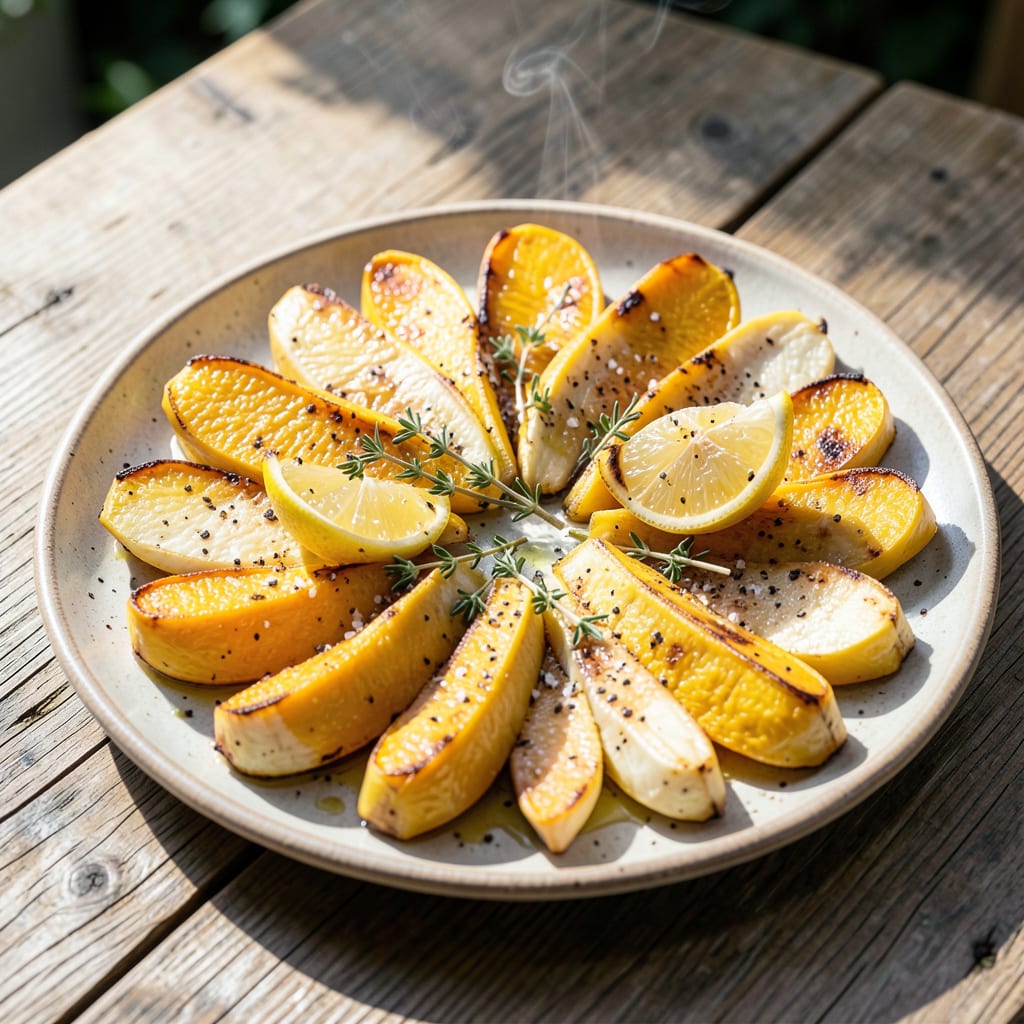
That first taste of perfectly ripe striped squash changed my summer cooking forever. The sweetness peaks when the skin turns glossy and you can barely press a fingernail into it.
I’ve learned these plants thrive in warm soil with consistent moisture, rewarding you with prolific harvests. Pick daily once they start producing to keep the vines pumping out more of those golden-white beauties all season long.
📚 In This Guide
Here’s the method I rely on to capture the peak sweetness and tenderness every time.
Begin checking the squash daily once the flowers fade and small fruits appear at the base. The ideal harvest window begins when the rind develops a glossy sheen and the color intensifies to vibrant yellow with crisp white stripes. This visual transformation signals the squash is nearing maturity.
I look for fruits that are 6-8 inches long and 1.5-2 inches in diameter—this size range delivers the best balance of sweetness and texture. The skin should resist gentle pressure but not feel rock-hard. If the rind dulls or turns pale, you’ve waited too long.
From the moment the flower opens and pollination occurs, count 4-6 days for optimal harvest timing. This is when the seeds inside are just beginning to develop but the flesh remains tender. I mark the date I spot a new flower on my calendar to track this window precisely.
If weather turns cool or cloudy, add an extra day or two to the count. Cooler temperatures slow the maturation process, while heat can accelerate it. The squash will feel heavier in your hand as it approaches readiness—this weight gain is your tactile confirmation.
Always harvest in the morning when the plant’s sugar content is highest. Use sharp pruning shears or a knife to cut the stem 1 inch above the fruit—never twist or pull, as this can damage the vine and reduce future production.
I wear gloves for this step because the stems and leaves can be abrasive. Check that the cut stem doesn’t appear wet or mushy, which could indicate overripeness. A clean, dry stem end confirms you’ve harvested at the right time.
For absolute certainty, perform the thumb test: press your thumbnail gently into the rind. If it leaves a slight indentation that springs back, the squash is at peak ripeness. If the indentation remains, it’s slightly underripe but still edible. A rind that resists indentation entirely means it’s past prime.
This test works best on the side of the squash opposite the stem, where the rind is thinnest. I’ve found that fruits harvested using this method store better and maintain their sweetness longer after picking.
After harvesting, brush off any dirt but don’t wash the squash—moisture promotes rot during storage. Store at 45-50°F with 70-80% humidity for up to a week. For the sweetest flavor, use within 3-4 days of harvest.
If you notice any soft spots or bruising during your post-harvest inspection, use those squash immediately. The flesh beneath damaged skin deteriorates quickly, even if the rest of the vegetable appears fine.
Small details separate good harvests from exceptional ones when timing is everything.
The Visual Cue: In Step 1, that glossy sheen on the rind isn’t just aesthetic—it’s your first sign the squash is transitioning from immature to peak ripeness. I’ve found the color intensification to vibrant yellow with crisp white stripes typically occurs within 24 hours of the ideal harvest window opening.
Timing Precision: The 4-6 day window in Step 2 is non-negotiable for tenderness. Cooler weather does slow maturation, but don’t exceed 8 days total—after that, seeds develop too much and the flesh becomes fibrous. The weight gain you feel at day 5 is often the perfect signal.
Technique Matters: Step 3’s 1 inch stem cut isn’t arbitrary. Cutting closer risks vine damage, while leaving more stem can lead to moisture loss during storage. Morning harvesting, as mentioned, captures maximum sugar content when plant photosynthesis is most active.
Storage Wisdom: The 45-50°F range in Step 5 preserves texture better than standard fridge temps. At 40°F, squash can develop chill injury, while above 50°F, respiration rates accelerate and sweetness fades faster than the 3-4 day window allows.
Look for firm skin, vibrant color, and a length of 6–8 inches. The stem should be dry, and the squash should feel heavy for its size. Harvesting too early or late can affect flavor and texture.
Yes! Young, tender squash can be eaten raw in salads or with dips. For the best taste, choose small, firm squash with thin skin. Larger ones may be tough or bitter and are better cooked.
Store unwashed squash in a cool, dry place (50–55°F) for up to a week. For longer storage, refrigerate in a perforated bag. Avoid washing until ready to use to prevent spoilage.
Bitterness can occur due to overmaturity, poor growing conditions, or high cucurbitacin levels (a natural compound). Harvest young, and ensure consistent watering. If bitterness is extreme, discard it—it may be unsafe to eat.
