
Beautiful Plants For Your Interior
Beautiful Plants For Your Interior
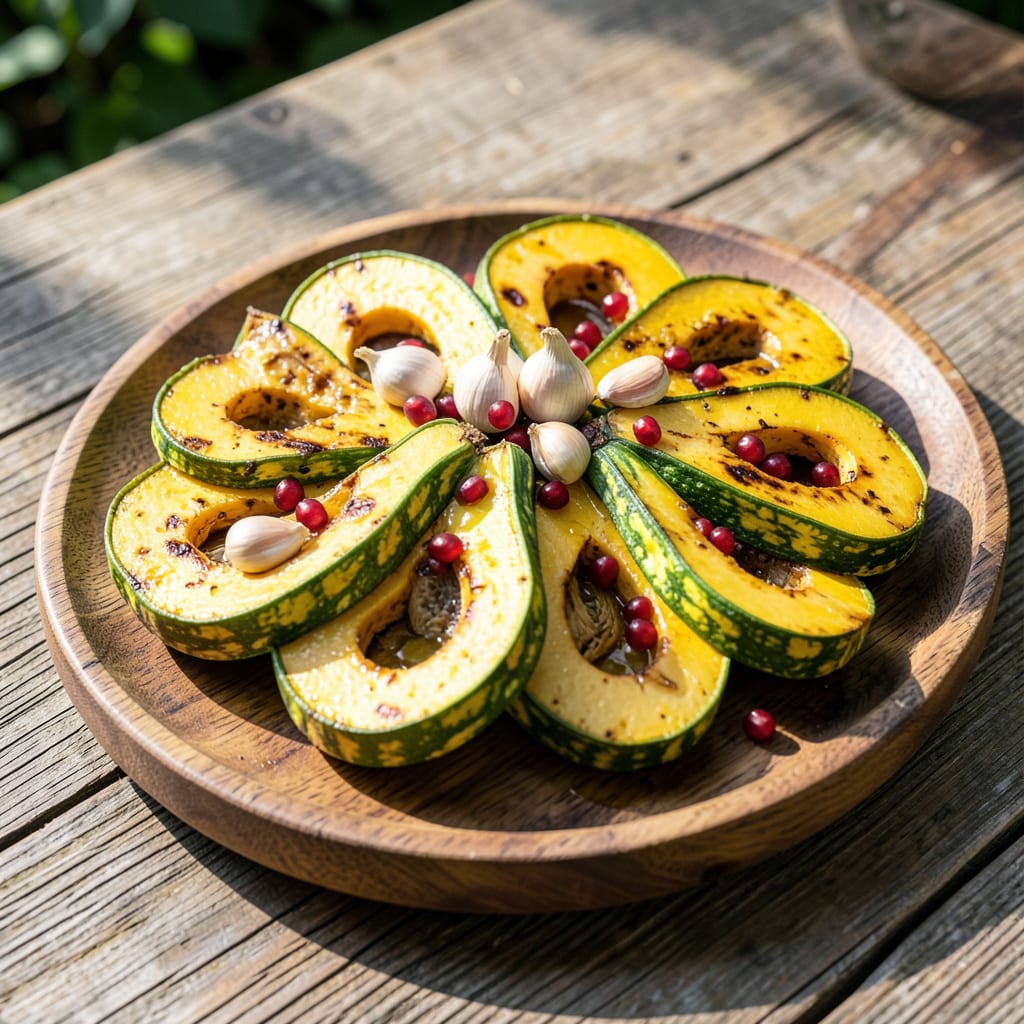
That first striped squash on the vine is pure garden magic. I still remember the day I spotted my first yellow and green striped beauty peeking from under the leaves, knowing I’d nailed the growing conditions.
This variety thrives with consistent watering and rich soil, and it rewards you with fast growth and stunning visuals. You’ll be harvesting tender squash in 45-55 days, with plants that keep producing all season long.
📚 In This Guide
Use these reliable techniques to gather your crop at peak flavor and quality.
Check vines daily once flowers appear, as this variety grows quickly in warm weather. You’ll notice the fruits emerging near the base of female flowers, swelling rapidly over 3-5 days.
Harvest when squash reach 6-8 inches long and 2-3 inches in diameter. At this size, the skin should be firm but still tender enough to pierce easily with your fingernail. Smaller fruits have the best texture and flavor.
Always use clean, sharp pruners or a knife to harvest. Never pull or twist the fruit, as this can break the vine or damage neighboring squash. I cut the stem about 1 inch above the fruit to prevent rot.
Handle the squash gently to avoid bruising the delicate skin. You’ll see the stem end may ooze slightly after cutting—this is normal and stops quickly. Place harvested squash in a basket or bucket rather than dropping them into a pile.
Pick in the early morning when temperatures are cooler and the squash are at their crispest. The plants will be less stressed, and the fruits will keep longer. I’ve found that morning-harvested squash stay fresh in the fridge for 5-7 days.
If you miss the morning window, late afternoon is your next best option. Avoid harvesting during the heat of the day, as the fruits can become limp and lose their firm texture. The vines will also be more vulnerable to damage in extreme heat.
Look for a glossy skin that’s developed its characteristic yellow and green stripes. The color should be vibrant, not dull or faded. Dull skin often indicates the squash is past its prime or has been on the vine too long.
Gently press the skin with your fingernail. If it leaves a slight indentation but springs back, it’s perfect. If it’s hard and doesn’t give at all, it’s likely overmature and may have tough, seedy flesh inside.
Regular harvesting actually stimulates the plant to produce more. If you leave mature squash on the vine, the plant will stop producing new fruits. I make it a habit to check plants every other day during peak production.
Remove any oversized or damaged squash immediately, even if you don’t plan to use them. This prevents them from draining energy from the plant and allows new fruits to develop. The vines will thank you with a longer, more productive season.
Here’s what I’ve learned the hard way about getting the best harvest from your plants.
Timing Secret: Check your vines daily once flowers appear, as this variety grows quickly in warm weather. The fruits emerge near the base of female flowers and swell over just 3-5 days, so missing a day can mean oversized squash.
The Size Factor: Harvest when squash reach 6-8 inches long and 2-3 inches in diameter. At this size, the skin stays tender enough to pierce easily with your fingernail, and the flavor is at its peak. Smaller fruits are always better.
Cutting Technique: Always use clean, sharp pruners or a knife—never pull or twist the fruit. Cut the stem about 1 inch above the squash to prevent rot, and handle gently to avoid bruising the delicate skin.
Harvest Time: Early morning is ideal for picking, when temperatures are cooler and the squash are crispest. If you can’t make the morning, late afternoon works too, but avoid the heat of the day, as the fruits can become limp.
Look for a firm rind, glossy skin, and a deep yellow-green color. The squash should be 6-8 inches long and the stem should start to dry. Harvest before the skin hardens for the best flavor!
Yes! Young, tender squash can be eaten raw, sliced thin for salads or snacks. Larger or mature squash may be tougher and are better cooked. Always wash thoroughly before eating.
Store in a cool, dry place (50-55°F) for up to a week. For longer storage, refrigerate in a sealed container for 1-2 weeks. Avoid washing until ready to use to prevent spoilage.
Overripeness, poor storage, or disease can cause discoloration or softening. Harvest on time and check for pests or fungal issues like powdery mildew. Remove affected squash to prevent spreading.
Try zucchini, pattypan, or crookneck squash—they have similar growing conditions and flavors. These varieties are also prolific producers, making them great backups!
