
Beautiful Plants For Your Interior
Beautiful Plants For Your Interior
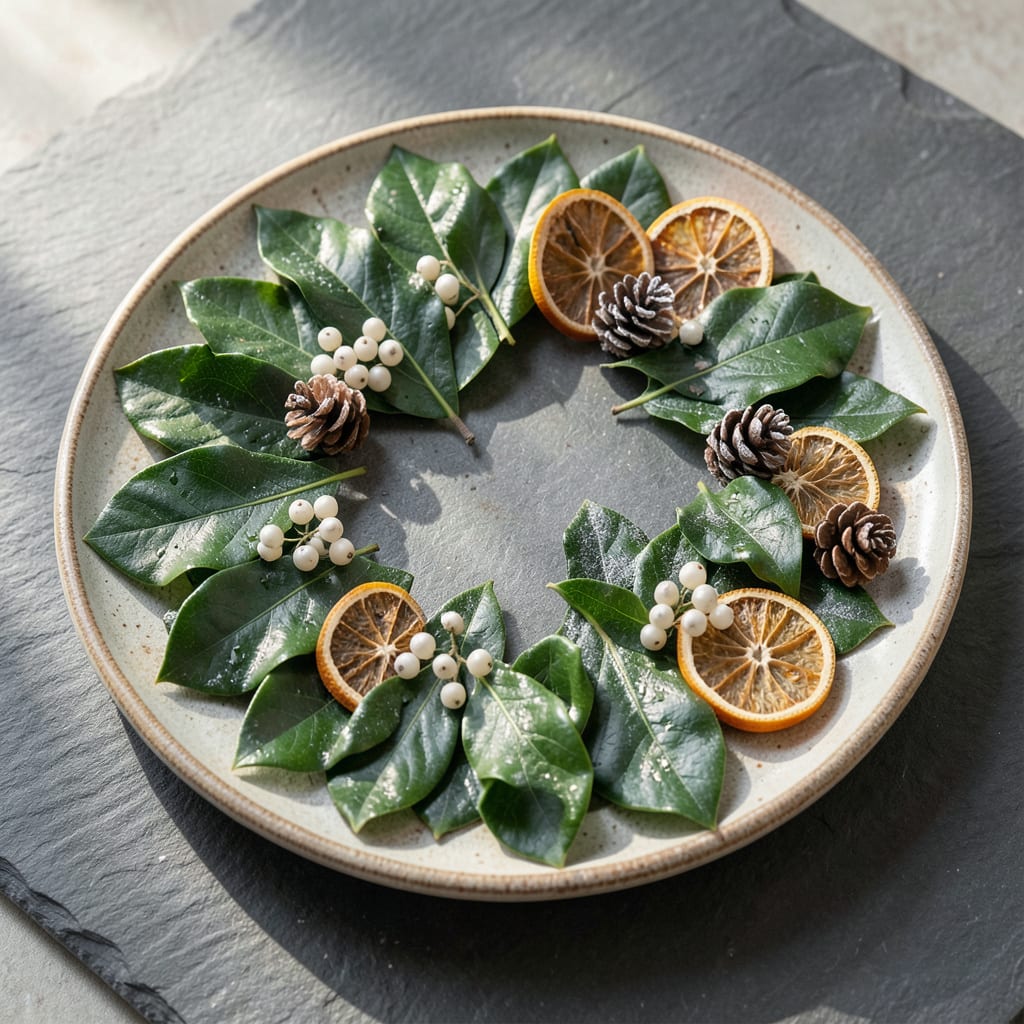
Winter Gem boxwood brings year-round color when everything else looks bare. Its small, rounded leaves stay a rich green through snow and frost, creating structure in gardens that feel dead in winter.
I’ve watched these shrubs hold their vibrant foliage without fading, even in the coldest months. They’re low-maintenance, deer-resistant, and perfect for hedges or foundation plantings that need reliable, evergreen beauty.
📚 In This Guide
This evergreen staple thrives with minimal effort if you follow these seasonal care practices.
Select a location with partial to full sun (at least 4-6 hours of direct light daily). Winter Gem boxwood tolerates shade but develops denser foliage in brighter spots. Ensure the soil is well-draining with a pH of 6.0-7.5—amend heavy clay with compost before planting.
Dig a hole twice as wide as the root ball but no deeper. Place the plant so the top of the root ball sits 1 inch above the surrounding soil to prevent settling. Backfill with native soil, tampering gently to remove air pockets. Water deeply to settle the soil around the roots.
Water newly planted boxwoods 2-3 times per week for the first 4-6 weeks, providing 1-1.5 gallons per plant each time. The goal is to keep the soil evenly moist but not soggy—check by inserting your finger 2 inches deep; if it feels dry, it’s time to water.
Once established, Winter Gem boxwood is drought-tolerant but benefits from 1 inch of water weekly during dry spells. Always water at the base to keep leaves dry, which prevents fungal diseases. Morning watering allows foliage to dry quickly in the sun.
Prune in late winter or early spring before new growth emerges. Use clean, sharp shears to shape the plant, removing no more than one-third of the foliage at a time. Focus on thinning out crowded branches to improve air circulation, which reduces pest and disease risks.
For formal hedges, shear the outer 1-2 inches of growth to maintain crisp edges. Always step back frequently to check your progress—it’s easy to over-prune. Remove any dead, diseased, or crossing branches at the base to keep the plant healthy.
In late fall, apply a 2-3 inch layer of organic mulch (like pine bark or shredded leaves) around the base to insulate roots and retain moisture. Keep mulch 2-3 inches away from the trunk to prevent rot. Winter Gem boxwood is cold-hardy to -10°F, but mulch provides extra protection in harsh climates.
In exposed or windy areas, consider wrapping the plant in burlap or using an anti-desiccant spray to minimize moisture loss from the leaves. This is especially important for newly planted boxwoods, which are more vulnerable to winter burn.
After heavy snowfalls, gently brush snow off branches to prevent breakage under the weight.
These seasonal care insights will help you maintain vibrant, healthy foliage with minimal effort.
Planting Precision: In Step 1, placing the root ball 1 inch above the surrounding soil is critical to prevent settling, which can suffocate roots. I learned this the hard way after losing a few plants to waterlogged soil. Always backfill with native soil and tamper gently—this removes air pockets that can stress the roots.
Watering Wisdom: During the first 4-6 weeks, stick to the 2-3 times per week schedule with 1-1.5 gallons per plant. The finger test (checking 2 inches deep) is foolproof—if it feels dry, water immediately. Once established, 1 inch of water weekly is plenty, but morning watering is non-negotiable to prevent fungal issues.
Pruning Perfection: Step 3’s timing—late winter or early spring—is ideal because it allows new growth to emerge unobstructed. Never remove more than one-third of the foliage at once; over-pruning weakens the plant. For hedges, shearing just 1-2 inches of growth keeps edges crisp without stressing the plant.
Winter Protection: In Step 4, that 2-3 inch layer of mulch in late fall is your best defense against temperature swings. Keep it 2-3 inches away from the trunk to avoid rot, and remember that Winter Gem’s cold-hardiness to -10°F still benefits from this extra insulation.
This is often due to winter burn, caused by cold winds and frozen soil preventing roots from absorbing water. Protect plants with burlap wraps or mulch to retain moisture and shield from harsh conditions.
Water deeply but infrequently—about once every 2-3 weeks if there’s no snow or rain. Ensure the soil isn’t waterlogged, as soggy roots can rot. Morning watering helps prevent evening freeze damage.
Avoid heavy pruning in winter, as it can stress the plant. Light trimming to remove damaged leaves or branches is fine, but save major shaping for late spring or early summer when growth resumes.
Consider Dwarf English boxwood or Green Velvet boxwood, both hardy in cold zones. For non-boxwood options, inkberry holly or Japanese holly offer similar evergreen appeal.
Trim dead foliage in spring, then fertilize lightly with a balanced, slow-release product. Ensure proper drainage and mulch to retain moisture. Consistent care helps the plant recover and regrow.
