
Beautiful Plants For Your Interior
Beautiful Plants For Your Interior
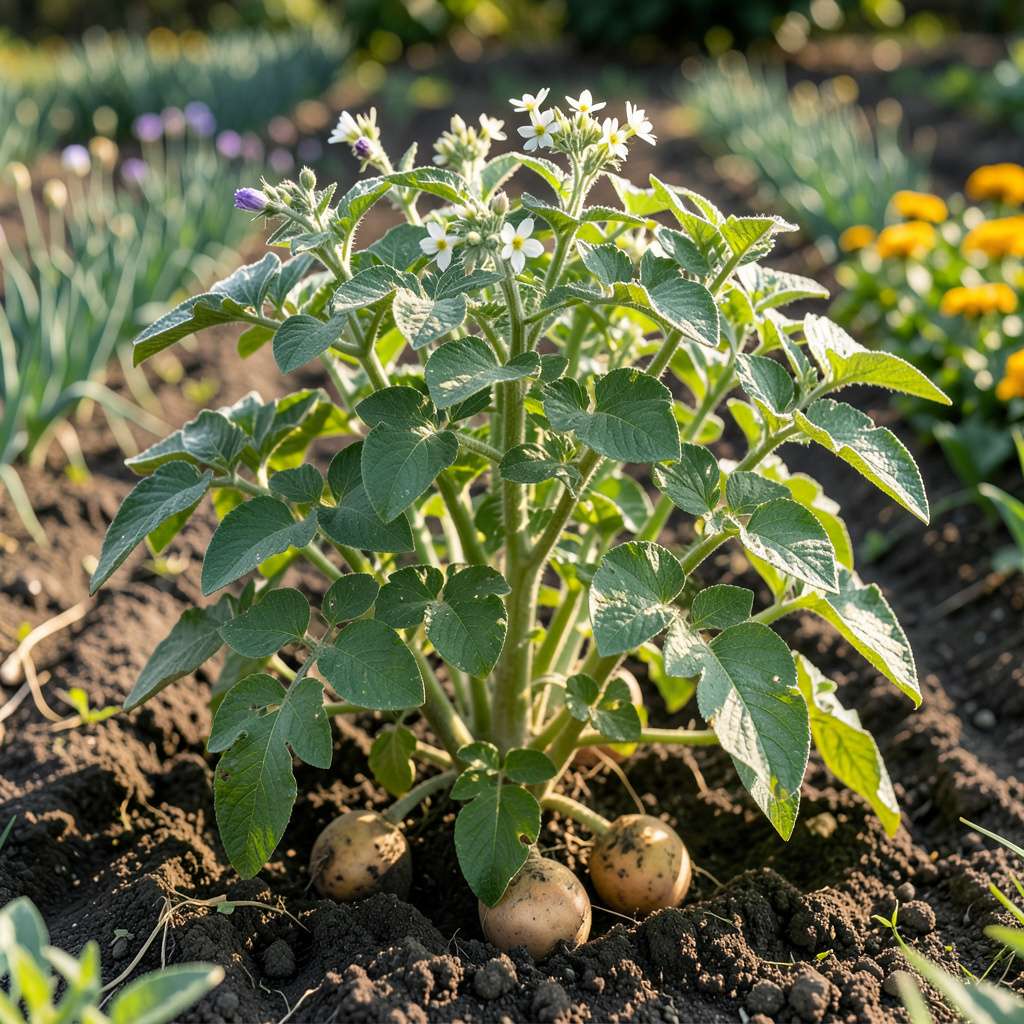
Deer will eat potato plants, especially the tender leaves and stems, when other food sources are scarce. They’re less likely to target mature tubers underground but can still cause significant damage to foliage and young plants.
I’ve seen firsthand how deer behavior shifts with the seasons—when natural forage becomes limited, they’ll raid gardens for anything green and tender. 🌿 Potato foliage is particularly vulnerable because it’s packed with nutrients deer crave, though they rarely dig for tubers unless desperate. What’s tricky is their timing: deer often browse at dawn or dusk, so you might not catch them in the act until the damage is done.
From my experience, potato plants aren’t their top choice compared to crops like beans or lettuce, but hungry deer won’t hesitate. The real risk is to new growth, which can set back your harvest by weeks if not protected. ✨
💡 In This Article
Deer feeding behavior follows a simple rule: they prioritize high-nutrient, easy-to-access food sources. Potato foliage contains 18-25% protein in its leaves and stems—comparable to alfalfa, a deer favorite.
🌱 Unlike tubers buried underground, the above-ground parts are rich in soluble sugars and minerals like potassium, making them irresistible when natural browse (like clover or young tree shoots) is limited. Studies show deer can consume up to 5-7 pounds of vegetation daily, and potato plants provide concentrated nutrition in small bites.
The seasonal timing matters too. In early spring when native plants are just emerging, or during drought when foliage becomes scarce, deer expand their diet to include garden crops. Potato plants are especially vulnerable during their first 4-6 weeks of growth when leaves are most tender.
I’ve noticed deer avoid mature, woody stems but will strip entire plants down to stubs when shoots are young. Their browsing pattern—using their mobile upper lip to pull vegetation—can uproot shallow-rooted potatoes entirely.
What’s fascinating is how deer compare potato plants to other garden options. In taste preference trials, they consistently choose beans, peas, and lettuce first, but potato foliage ranks above tomatoes or peppers. 🌿 The difference? Potato leaves contain glycoalkaloids in lower concentrations than tubers, making them less bitter.
Deer also remember food locations, so once they find your potato patch, they’ll return nightly until it’s depleted or protected.
Their feeding schedule works against gardeners too. Deer are crepuscular, meaning they’re most active at dawn and dusk—times when many of us aren’t outside to notice the damage until morning. A single deer can devastate a 20-foot row of potatoes in one night, targeting the terminal buds first (which stunts regrowth).
Unlike rabbits that leave clean cuts, deer tear foliage raggedly, leaving obvious 1-2 inch stem stubs as calling cards.
The underground tubers are usually safe unless deer are starving. Digging requires significant energy expenditure, and potatoes contain higher concentrations of solanine (a natural toxin) in their skins. However, in extreme cases—like after heavy snow when ground forage is buried—I’ve seen deer paw through mulch to reach tubers.
This typically happens only when their body fat reserves drop below 8%, a survival threshold.
Here’s the kicker: deer communicate food sources to their herd. When one finds your potato plants, it will leave pheromone markers that attract others within 24-48 hours. That’s why isolated damage quickly escalates to full-blown raids.
Their ability to remember reliable food locations means your garden stays on their mental map for seasons—even if you replant in the same spot next year. ✨
Deer typically favor beans, peas, and lettuce over potatoes, but they’ll still eat potato foliage when hungry. The tender leaves are nutrient-rich, making them an easy target when preferred foods aren’t available. Young potato plants are especially vulnerable during their first 4-6 weeks of growth.
Spring and fall are the highest-risk seasons. In spring, deer target young potato shoots when natural forage is scarce. Come fall, they’ll browse heavily to fatten up for winter. During droughts or after heavy snow, deer may even dig for tubers—something they rarely do otherwise.
Yes, but it works best as part of a layered approach. Strong-smelling herbs like rosemary or thyme planted in a 2-foot border can deter deer. Marigolds and alliums (garlic/onions) also help. For best results, interplant these every 3-4 feet throughout your potato rows—just remember hungry deer may push through if food is extremely scarce.
An 8-foot fence is the gold standard—deer can jump up to 7 feet vertically. For temporary solutions, 5-foot chicken wire angled outward at 45° can work if secured tightly. Electric fencing with two strands at 10″ and 30″ heights also provides excellent protection without blocking views.
Deer have excellent memories and will return to reliable food sources. Once they find your potato plants, they’ll mark the location with pheromones that attract others within 24-48 hours. This is why early protection is crucial—deer will remember your garden’s location for multiple seasons.
