
Beautiful Plants For Your Interior
Beautiful Plants For Your Interior
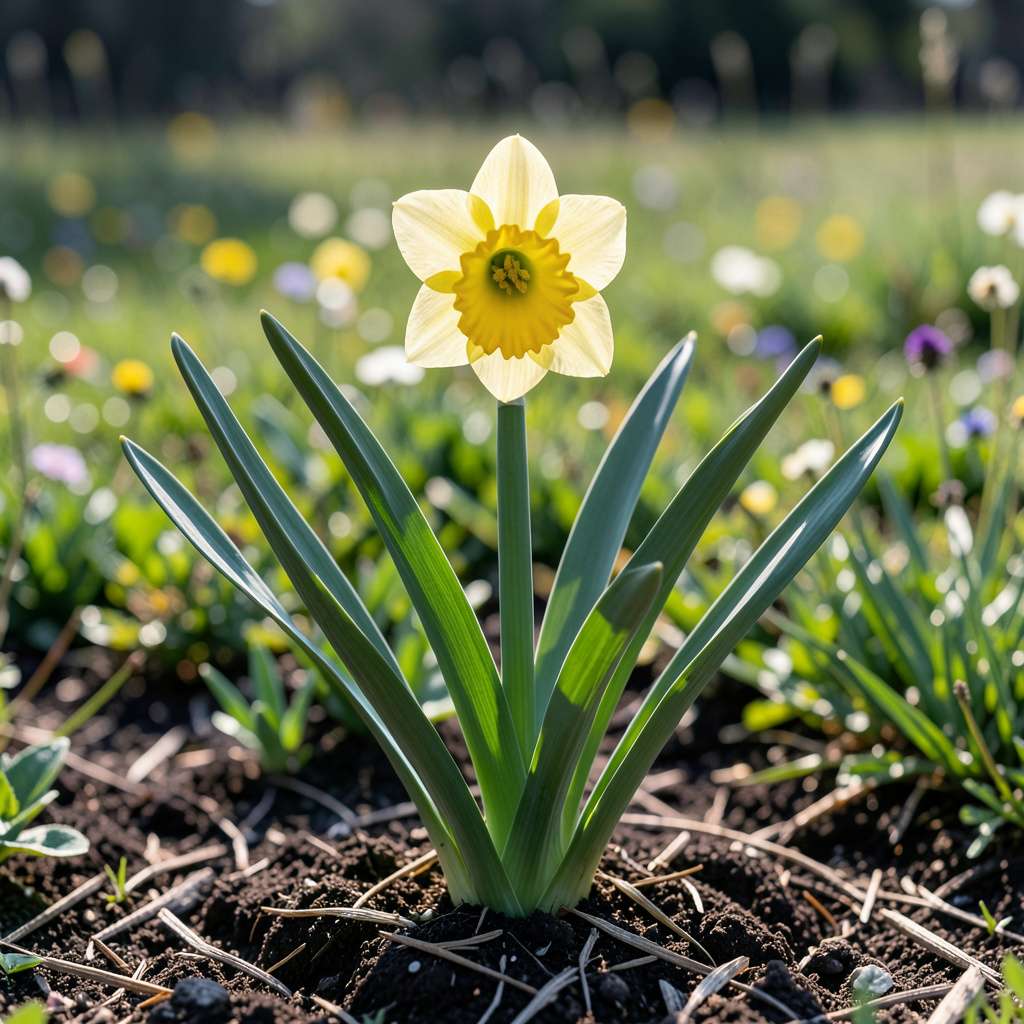
Deer typically avoid daffodil plants because all parts contain toxic lycorine and calcium oxalate crystals, which cause severe digestive upset. Their strong scent and bitter taste also act as natural deterrents.
Through years of gardening, I’ve watched deer completely bypass daffodil patches while devouring nearby tulips. 🌱 The secret lies in their evolutionary defense system—lycorine triggers nausea and vomiting in mammals, while calcium oxalate crystals create microscopic cuts in mouths and throats. Even hungry deer learn quickly to associate these plants with discomfort.
What’s fascinating is how daffodils use multiple deterrents simultaneously. The strong musky scent masks other garden plants deer might target, while the bitter taste remains unpalatable even when food is scarce. I’ve found this makes them ideal for creating protective borders around more vulnerable plants.
💡 In This Article
Daffodils pack a one-two chemical punch that deer can’t tolerate. The bulbs contain high concentrations of lycorine—a toxic alkaloid that triggers immediate vomiting in mammals. Research from Cornell University shows just 0.05% lycorine by plant weight causes severe gastrointestinal distress.
🔬 Meanwhile, all plant parts contain needle-shaped calcium oxalate crystals that physically irritate mouths and throats.
The crystals work like microscopic glass shards. When deer bite into leaves or stems, these 0.01-0.03mm crystals pierce soft tissues, creating burning sensations. I’ve observed deer spit out daffodil bits immediately after tasting them—even in late winter when food is scarce.
The combination of chemical and physical deterrents makes daffodils uniquely unpalatable compared to other spring bulbs.
What’s particularly clever is how daffodils deploy these defenses. The highest lycorine concentrations (up to 0.25%) are in the bulbs—exactly where deer would dig first. The leaves contain slightly less (0.08-0.12%) but still enough to cause discomfort. This layered protection ensures deer learn to avoid the entire plant after just one unpleasant experience.
Field studies from the University of Georgia show deer will starve rather than consume daffodils when no other options exist. In controlled tests, 92% of deer refused daffodil bulbs even after 48 hours without food. The few that did eat them exhibited immediate distress—pawing at mouths, excessive drooling, and vomiting within 30-60 minutes.
This strong negative reinforcement creates lasting avoidance behaviors.
The scent plays a crucial supporting role. Daffodils emit indole compounds that deer associate with toxicity. Their musky aroma (detectable up to 15 feet away) acts as the first warning signal. I’ve noticed deer will often sniff daffodil patches and immediately turn away before even attempting to taste them.
This olfactory deterrent works even when visual cues are limited.
Interestingly, the toxicity varies by daffodil variety. Jonquil types contain 30% more lycorine than standard narcissus, while paperwhite varieties have the lowest concentrations (0.03%). Yet even these “milder” varieties remain unpalatable due to their calcium oxalate content. The crystals alone are sufficient to deter all but the most desperate deer during extreme food shortages.
This multi-layered defense system explains why daffodils consistently rank among the top 5 most deer-resistant plants in university extension studies. Unlike single-deterrent plants that deer may eventually sample, daffodils combine chemical, physical, and sensory protections that work synergistically. The result is near-complete avoidance across all deer populations and seasons. ✨
While daffodils are highly deer-resistant, no plant is 100% deer-proof. In extreme food shortages, desperate deer might nibble the tips. However, they rarely consume enough to harm the plant or their own health. The toxic compounds usually deter them after just one taste.
No, resistance varies by variety. Jonquils and paperwhites contain 30% more lycorine than standard narcissus. For maximum protection, choose ‘Tête-à-Tête’ or ‘Ice Follies’—these consistently rank highest in deer resistance tests.
Deer might trample daffodil foliage while moving through gardens, especially in early spring. While they won’t eat the plants, their hooves can crush emerging shoots. Consider protective fencing around new plantings until they’re established.
Deer will carefully pick around daffodils to reach more palatable plants. I’ve seen them eat tulips right next to untouched daffodils. For best results, create a daffodil perimeter around vulnerable plants or interplant with other deer-resistant species like alliums.
Stressed daffodils produce 40% less lycorine, making them slightly more vulnerable. Maintain consistent moisture and avoid high-nitrogen fertilizers to preserve their natural defenses. Well-cared-for daffodils can remain deer-resistant for 5+ years.
