
Beautiful Plants For Your Interior
Beautiful Plants For Your Interior
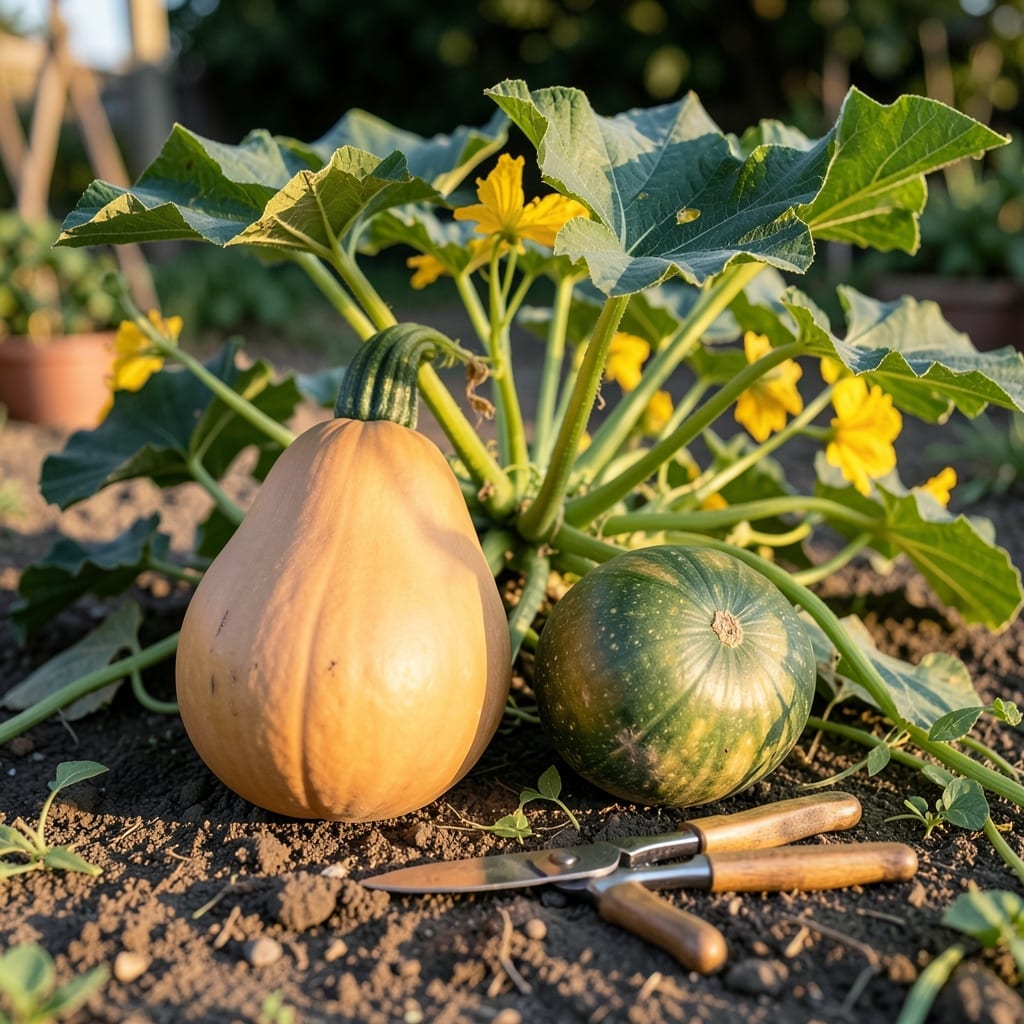
Nothing’s more frustrating than watching your 🎃 Butternut Squash turn yellow too soon—only to wonder if it’s doomed. The good news? With the right approach, you might still save your harvest.
I’ve seen gardeners panic when their squash doesn’t ripen on time, but there’s often a solution. Understanding the ripening process can make all the difference for your crop.
Discover whether Butternut Squash can ripen off the vine and learn how to handle early harvests with confidence.
The short answer is yes, but with some important caveats. Unlike tomatoes or avocados, butternut squash won’t continue ripening in the same way after harvest. However, it can mature further if handled correctly.
I’ve found that early-harvested butternut squash can develop a sweeter flavor and firmer texture when stored properly. The key is understanding the ideal conditions for post-harvest ripening.
| Factor | Requirement |
|---|---|
| Maturity Stage | At least 80% mature |
| Storage Temp | 50-60°F ideal |
| Humidity Level | 60-70% optimal |
| Curing Time | 10-14 days needed |
Butternut squash belongs to the Cucurbita moschata family, which has a unique ripening process. Unlike some fruits that ripen after picking, squash needs to reach near maturity on the vine first.
I always check for a hard rind before harvesting. If the skin resists puncture from a thumbnail, it’s a good sign. This hardness indicates the squash has developed enough sugars and starches.
The stem is another telltale sign. A dry, woody stem suggests the squash is ready. If it’s still green and flexible, I leave it on the vine a bit longer.
Post-harvest, I store my butternut squash in a warm, dry place for about two weeks. This curing period helps the skin harden further and enhances the flavor.
Remember, squash harvested too early may not develop its full sweetness or storage potential. Aim to pick when the rind is deep tan and the vine begins to die back.
If frost threatens, I harvest all squash, even if not fully mature. Butternut squash can handle light frosts, but a hard freeze will damage them. In such cases, I prioritize saving what I can.
With proper care, your butternut squash can continue to improve after harvest. The key is patience and the right conditions. 🌱
Timing your harvest perfectly ensures the best flavor and storage life. I look for visual cues and tactile tests to confirm my butternut squash is truly ready to pick.
The most reliable sign is a deep tan rind that resists puncturing when pressed with a thumbnail. If it leaves a mark, it needs more time on the vine.
Avoid harvesting too early when the rind is still green or the stem is flexible. These are clear signs the squash isn’t mature enough for proper storage.
I’ve learned that the “sound test” works surprisingly well. Hold the squash to your ear and shake gently—mature seeds will rattle inside if it’s ready.
The vine condition is another indicator. When the vine near the squash turns brown and crispy, it’s often a sign the plant is redirecting energy to the fruit’s final maturation.
For best results, I harvest on a dry, sunny day when the squash is at its driest. This helps prevent mold during the curing process that follows. ✂️