
Beautiful Plants For Your Interior
Beautiful Plants For Your Interior
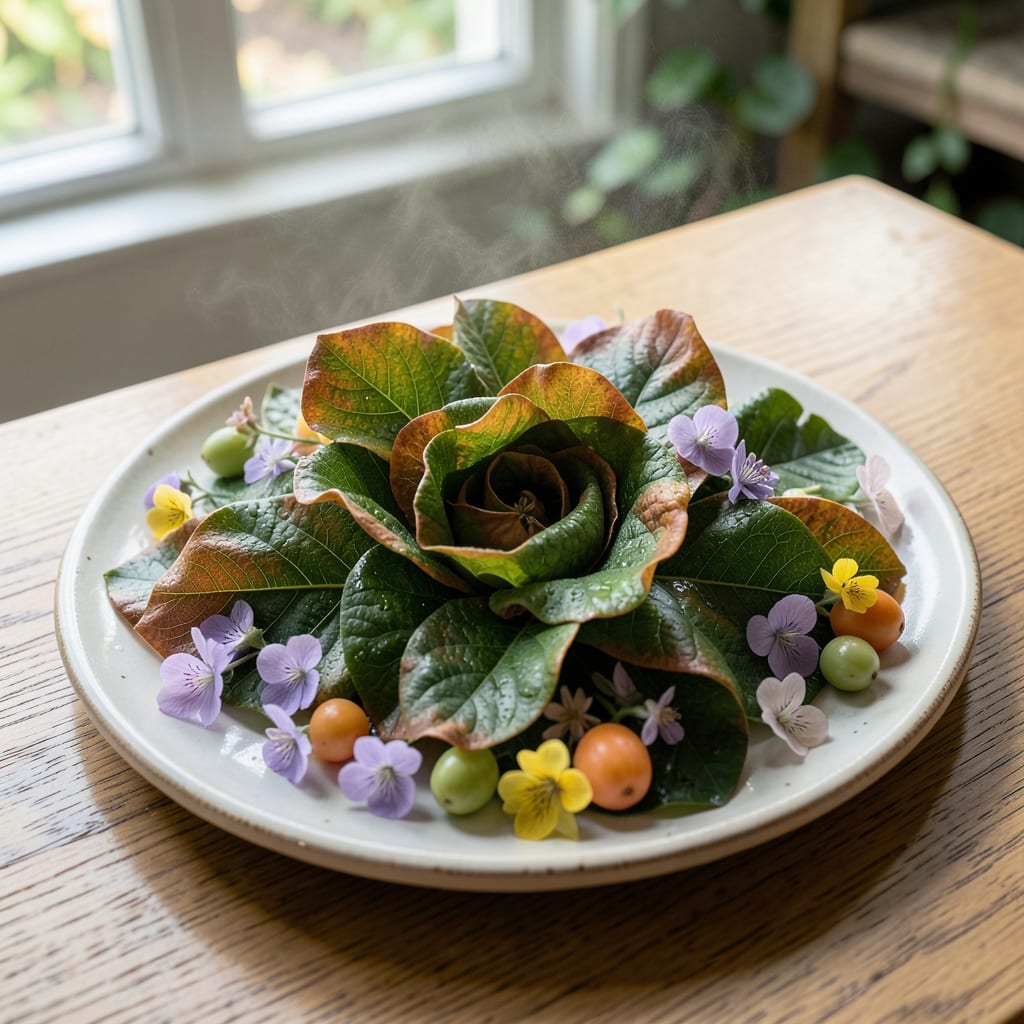
Those glossy, dark green leaves are your first clue to identifying a wild persimmon tree. 🌿 I’ve spotted them in woodlands and backyards alike—long, oval, and smooth-edged, turning fiery orange in fall.
The leaves fuel the tree’s growth, but proper care keeps it thriving. Wild persimmons tolerate poor soil but do best with full sun and moderate watering. Prune in late winter to shape and remove dead wood.
📚 In This Guide
Here’s how I distinguish these unique leaves and keep the trees thriving in any landscape.
Wild persimmon leaves are oblong to elliptical, typically 2-6 inches long with a smooth, glossy surface. The edges are entire (smooth, not toothed) and slightly rolled under—a key identifier. I always check the base of the leaf, which is usually asymmetrical where it meets the stem.
Hold one up to the light. You’ll notice the pale green underside contrasts with the darker upper surface. In fall, they transform to stunning shades of orange, red, or purple, making identification even easier. Real talk: if the leaf feels leathery and looks polished, you’re likely holding a persimmon leaf.
These leaves grow in an alternate pattern along the stems—not opposite each other. The stems themselves are often zigzagged between leaf nodes, which is a dead giveaway. I like to trace the stem with my finger to feel the alternating rhythm of the leaves.
Look for small, reddish-brown buds at the leaf axils (where the leaf meets the stem). These will develop into next year’s growth or flowers. Don’t skip this (I learned the hard way)—many lookalike trees lack this bud characteristic. The stems may also have a slightly hairy texture when young.
In spring, new leaves emerge with a bronze or reddish tint before turning deep green. By midsummer, they’re fully mature and leathery. The tree itself typically grows 20-60 feet tall with a rounded, open canopy that lets dappled sunlight through—perfect for underplanting.
Here’s the thing—wild persimmons are dioecious, meaning male and female flowers grow on separate trees. You’ll only get fruit (and the accompanying leafy growth) from female trees. If you see small, green, tomato-like fruits forming in summer, you’ve confirmed it’s a female persimmon.
Once established, these trees are remarkably drought-tolerant. I water young trees deeply once a week during their first growing season, ensuring the soil stays moist but not waterlogged. Mature trees rarely need supplemental watering unless you’re in an extreme drought.
The best test: stick your finger 2 inches into the soil. If it feels dry at that depth, it’s time to water. Always water at the base of the tree, not from above, to prevent fungal issues. You’ll see the leaves perk up within 24 hours if they’ve been wilting from thirst.
Prune in late winter or early spring before new growth starts. Remove any dead, diseased, or crossing branches first. I always step back after each cut to check the tree’s silhouette—you want to maintain that open, airy canopy that lets sunlight reach all the leaves.
Thin out about 20-30% of the oldest branches to encourage new growth and better air circulation. This prevents fungal problems that can discolor or spot the leaves. Sterilize your pruners with rubbing alcohol between cuts to avoid spreading disease between trees.
These practical insights will help you confidently identify and care for these unique trees.
Visual Identification: In Step 1, hold leaves up to the light to spot that distinctive pale green underside. The glossy surface and slightly rolled edges are unmistakable, especially when the leaf is 2-6 inches long. I learned this after confusing them with similar species for years.
Stem Analysis: For Step 2, trace the stem with your fingers to feel the zigzag pattern between leaf nodes. Those small, reddish-brown buds at the leaf axils are your confirmation—most lookalikes don’t have them. Confession: I skipped this check once and misidentified a tree for months.
Watering Wisdom: During the first growing season, stick to the once-a-week deep watering from Step 4. The 2-inch soil test is foolproof—if it’s dry at that depth, water at the base. You’ll see wilting leaves perk up within 24 hours, just as mentioned.
Pruning Precision: In Step 5, when thinning 20-30% of the oldest branches, step back frequently to maintain that open canopy. Sterilizing pruners between cuts prevents disease spread, and late winter or early spring timing ensures you won’t disrupt new growth.
The best time to harvest leaves is in late spring to early summer when they’re young, tender, and rich in nutrients. Avoid late fall, as leaves may become tough or bitter.
Yes! Wild persimmon leaves make a pleasant, caffeine-free tea. Simply dry the leaves, steep them in hot water for 5-10 minutes, and enjoy their mild, slightly sweet flavor.
Look for dark green, glossy leaves with smooth edges and a slightly leathery texture. They’re typically 2-5 inches long, oval-shaped, and alternate along the stem.
Yellowing leaves may indicate overwatering, nutrient deficiency, or pest issues. Check soil moisture, ensure proper drainage, and inspect for pests like aphids or mites.
If wild persimmon leaves are unavailable, consider using Asian persimmon leaves (similar benefits) or other edible leaves like sassafras or mulberry for teas or culinary uses.
